News

How Do Precision Turned Parts Enable Smaller Robotic Surgical Tools?

2026-04-29 0 Leave me a message

Robotic surgical systems are shrinking. The next generation of laparoscopic and microsurgical robots uses instruments with diameters under 3mm – small enough to navigate delicate anatomy yet strong enough to grip, cut, and suture. Achieving this requires a radical rethink of every component, especially the mechanical transmission elements inside the tool wrist. The answer lies in precision turned parts – tiny, complex geometries machined to tolerances that were unthinkable a decade ago. This article explains how high‑precision CNC turning creates the miniature shafts, pins, and housings that make sub‑millimeter robotic tools possible – and what procurement managers should look for in a supplier.

The Miniaturization Challenge in Robotic Surgery

A typical robotic surgical instrument contains up to 20 moving parts inside a tube smaller than a pencil. Each part must:

  • Withstand repeated sterilisation (autoclave, gamma radiation)
  • Transmit torque with near‑zero backlash
  • Fit within wall thicknesses as low as 0.15mm
  • Cost less than conventional machined components – because instruments are often single‑use or limited‑reuse

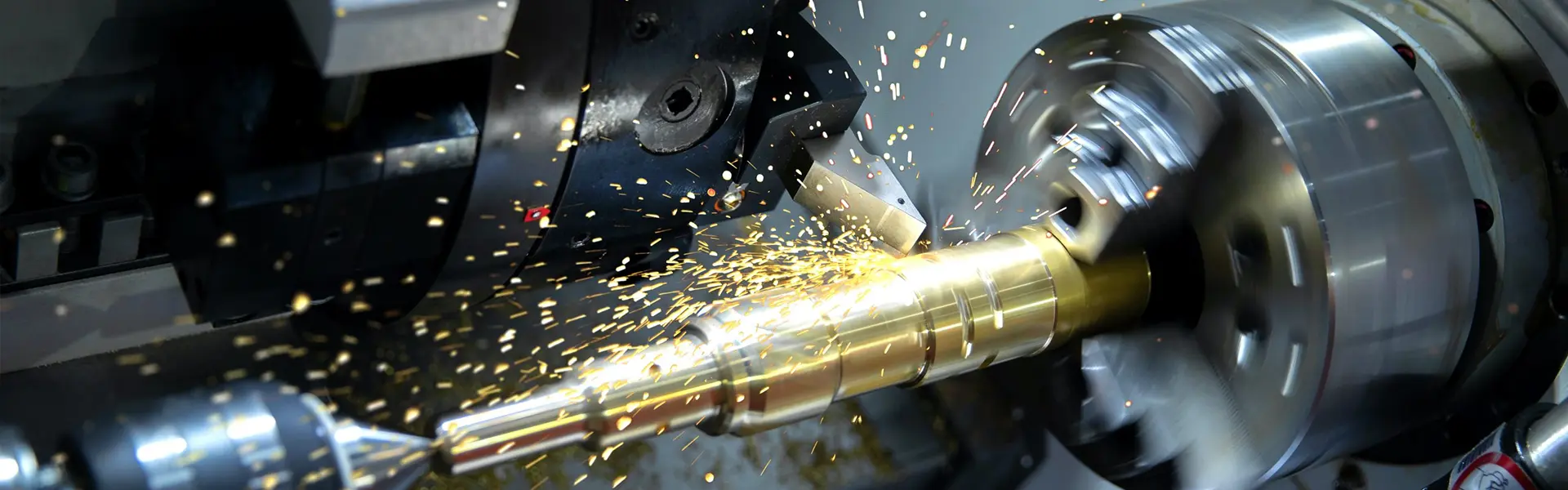
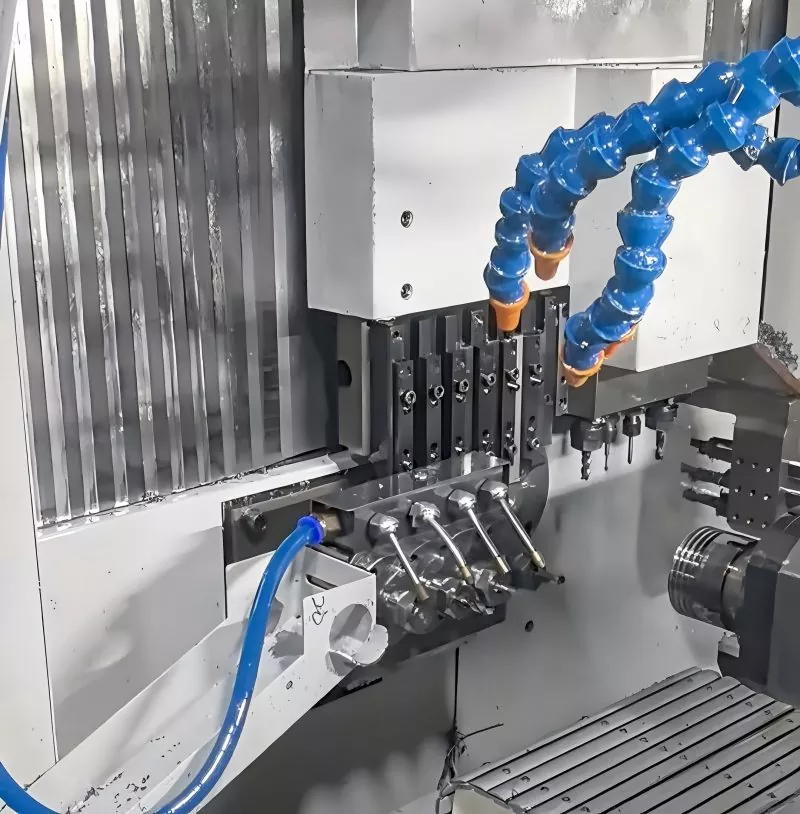
Traditional machining methods (stamping, simple turning) cannot hold the required concentricity, surface finish, or micro‑features. Precision turned parts – produced on Swiss‑type CNC lathes with live tooling – solve these problems by combining turning, milling, and drilling in one cycle, achieving tolerances of ±0.005mm or better.

Three Critical Ways Precision Turned Parts Enable Miniaturisation

1.Micro‑Shafts and Drive Pins

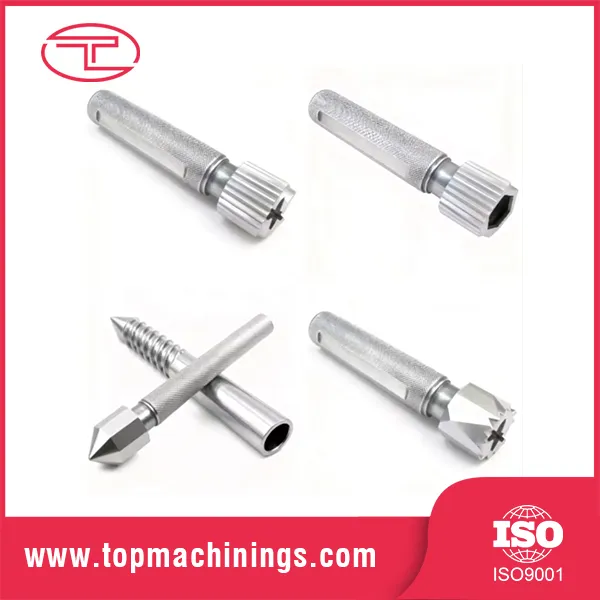
The wrist of a surgical robot uses cables or push‑rods to articulate the end effector. These connect to tiny pins and shafts – often 0.5mm to 2mm in diameter. A precision turned part can include:

  • Grooves for retaining rings (width 0.2mm, depth 0.05mm)
  • Hexagonal or square ends for torque transfer
  • Cross‑holes (0.3mm diameter) for crimping cables

Why precision matters: A 2µm deviation in a 1mm pin creates 0.2° of angular error – unacceptable when the surgeon is suturing a 0.5mm blood vessel.

2.Thin‑Wall Tubular Components

Articulating joints require housings and sleeves with wall thicknesses below 0.2mm. Conventional turning causes chatter or collapse. Swiss turning with high‑pressure coolant and carbide tooling produces stable, repeatable thin‑wall precision turned parts without secondary deburring.

3.Complex Geometry in a Single Setup

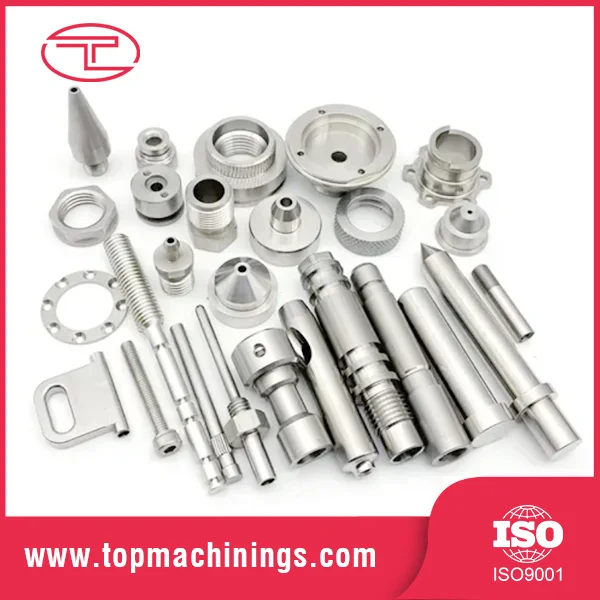
Robotic tool designers want combined features: threads, tapers, undercuts, and flats – all on one part. Precision turned parts made on multi‑axis lathes eliminate multiple setups, ensuring geometric consistency. For example, a trocar tip with a helical drive groove and a proximal flange can be machined in under 40 seconds.

Parameter Table – Critical Specs for Surgical‑Grade Precision Turned Parts

Parameter Typical Requirement for Robotic Surgical Tools What High‑End Precision Turning Delivers
Diameter range 0.5mm – 8mm 0.2mm – 20mm (Swiss type)
Tolerance (diameter) ±0.01mm ±0.002mm – ±0.005mm
Concentricity 0.01mm 0.003mm (measurement by laser mic)
Surface finish (Ra) ≤0.4 µm ≤0.2 µm (mirror finish)
Material compatibility 316L, 17‑4PH, Ti‑6Al‑4V, PEEK Same + cobalt chrome, nitinol (special tooling)
Thread length / pitch Custom micro‑threads (M0.6 or smaller) Down to M0.5 × 0.1mm pitch
Batch size 500 – 50,000 units (single‑use instruments) 200 – 200,000 (automated bar feeding)
Secondary operations Deburring, passivation, laser marking In‑cycle deburring, optional post‑process

The Hidden Cost of Inconsistent Precision Turned Parts

Medical device OEMs often focus on assembly tolerances while underestimating the impact of individual precision turned parts. A real‑world example: a surgical stapler manufacturer experienced 12% field failures due to a 0.5mm pin that had inconsistent groove depth. The pin supplier had claimed ±0.01mm but delivered ±0.025mm. Switching to a supplier who controls each batch with 100% optical sorting reduced failure rate to 0.2%.

Key lessons:

  • Measurement matters – Ask for laser mic or vision system reports, not just calipers.
  • Material certification – Surgical instruments require full traceability (EN 10204 3.1).
  • Surface finish consistency – Rough spots harbour bacteria; specify Ra and Rz.

Why Tuoyuan Understands the Demands of Surgical Miniaturisation

Qingdao Tuoyuan Metal Co., Ltd. has spent over a decade developing precision metal processing capabilities. Unlike general machine shops, Tuoyuan focuses on the exact technologies that surgical robotics needs:

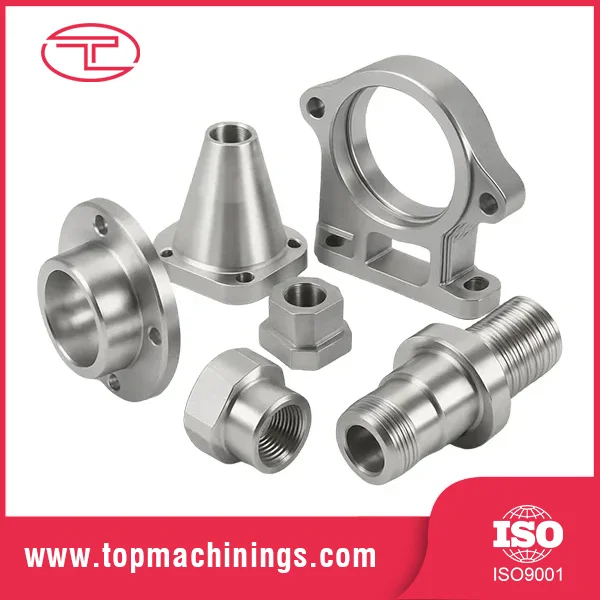
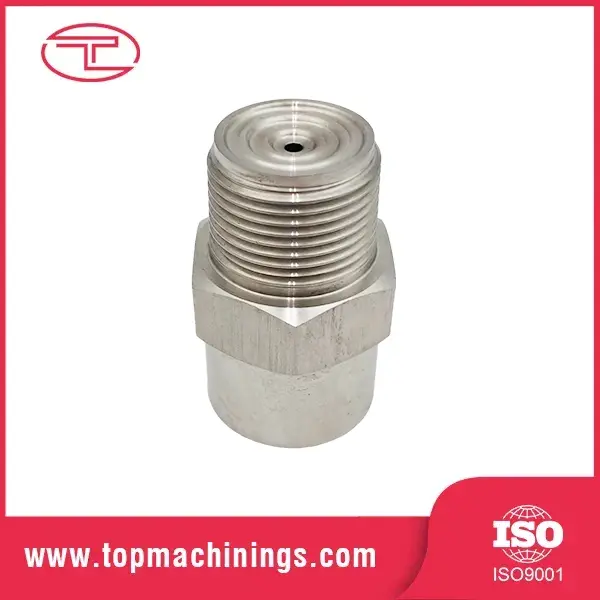
  • CNC turning parts (Swiss and fixed headstock) for micro‑shafts, pins, and sleeves
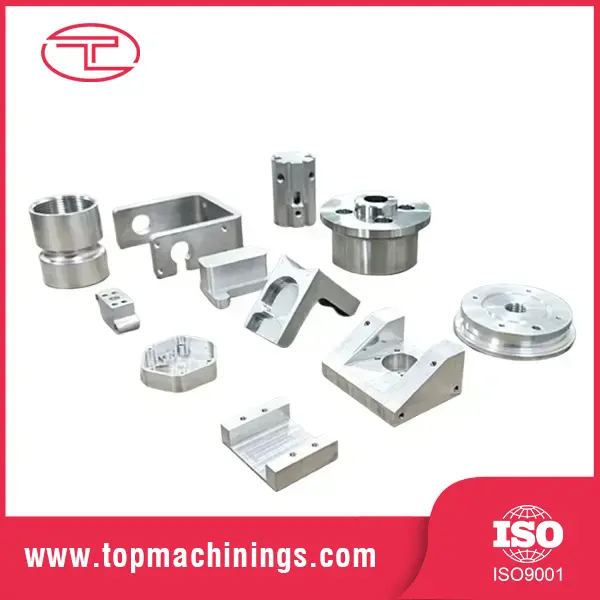
  • CNC milling parts for complex housing features
  • Stamping and forging for cost‑effective high‑volume components
  • Surface treatment (galvanising, powder coating, polishing) – though surgical tools often specify electropolishing or passivation, which Tuoyuan can arrange through certified partners

Tuoyuan operates under ISO 9001, with a complete supply chain from raw material to finished part. Their “excellence in every detail” philosophy means each precision turned part is inspected with digital measuring equipment, and batch records are kept for 10+ years – essential for medical device traceability.

precision turned parts

One Practical Tool – A Simple Checklist for Sourcing

When evaluating a source of precision turned parts for robotic surgical devices, ask for:

  • A tolerance stack‑up analysis on your most critical feature.
  • Three random sample parts measured with a CMM or laser mic.
  • Material cert showing lot number and chemical composition.
  • Process capability (Cpk) – for diameter and concentricity, Cpk ≥1.33 is a safe threshold.

Tuoyuan provides all four as standard.

Small Parts, Giant Leap for Surgery

The trend toward smaller, smarter robotic surgical tools is unstoppable. But it will not be realised by simply scaling down existing designs. It requires precision turned parts that are micro‑sized, macro‑accurate, and manufactured consistently at volume. For procurement managers, the best strategy is to partner with a metalworking company that has proven CNC turning expertise, a full in‑house process chain, and a quality system that leaves nothing to chance.

Send your most challenging micro‑component drawing to Tuoyuan for a feasibility review and sample run. Use the parameter table above to specify tolerances, and ask for a process capability report. The right precision turned parts supplier can cut your development time in half – and make your next‑gen surgical tool a reality.


Related News
Leave me a message
X
We use cookies to offer you a better browsing experience, analyze site traffic and personalize content. By using this site, you agree to our use of cookies. Privacy Policy
Reject Accept