News

Key Points for Machining Copper Parts

2026-07-10 0 Leave me a message

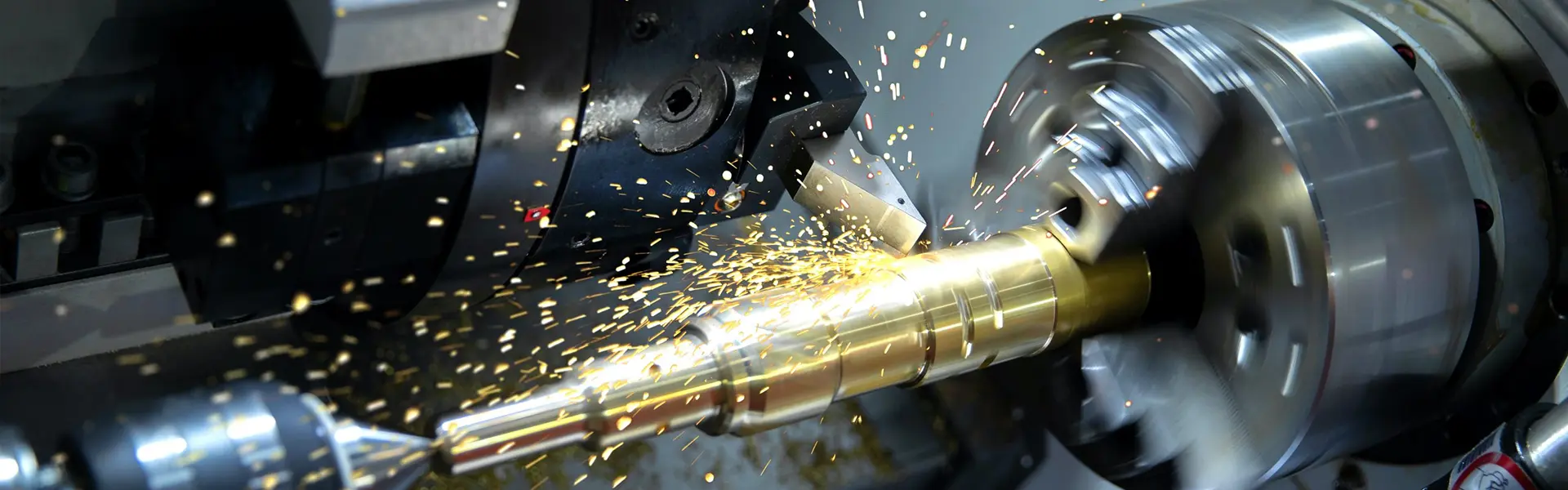
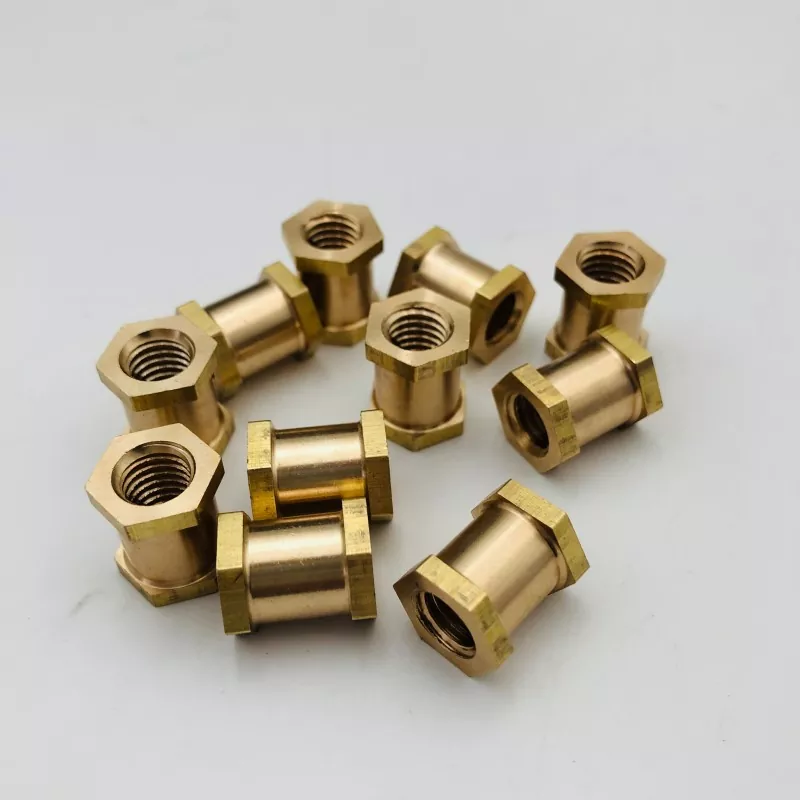
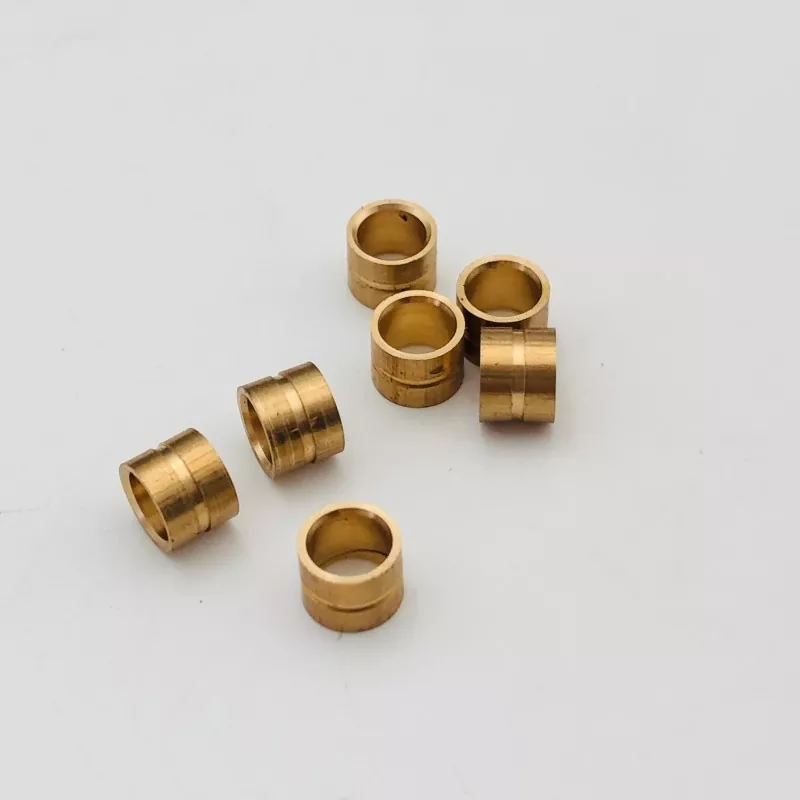
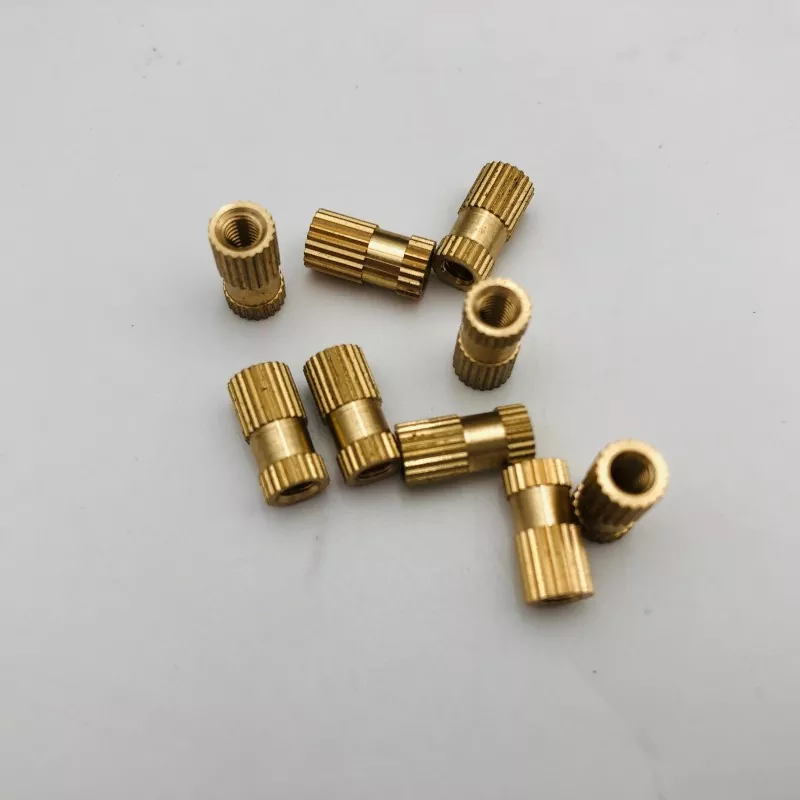
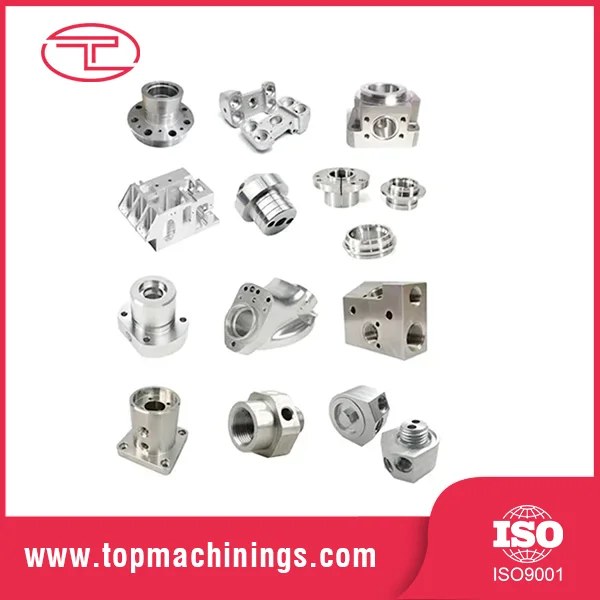
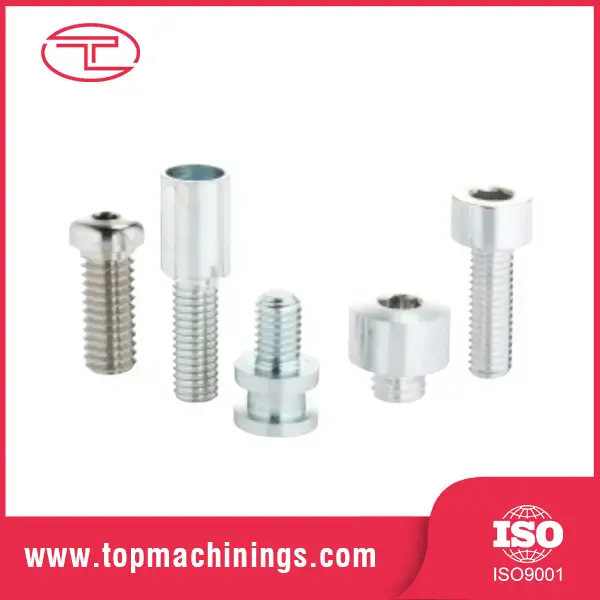
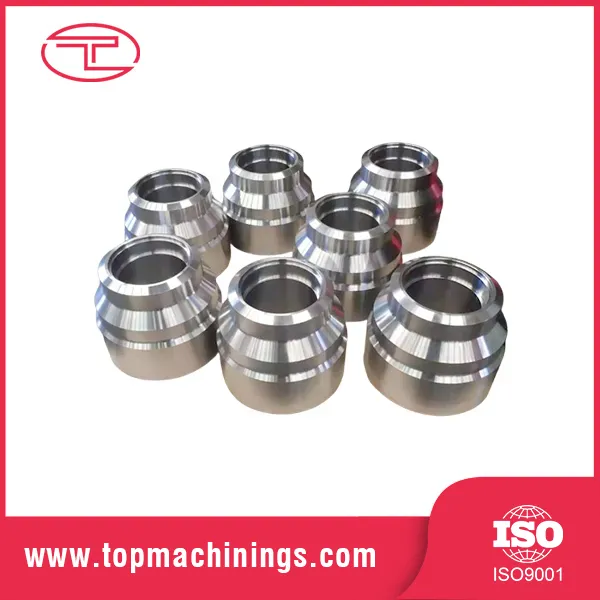
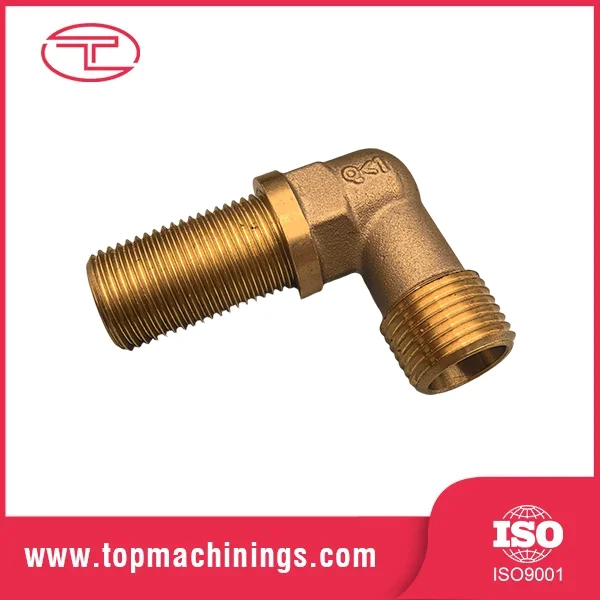
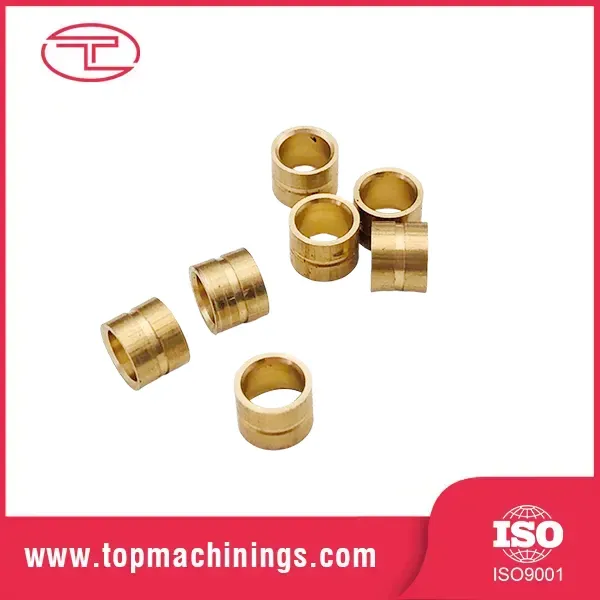
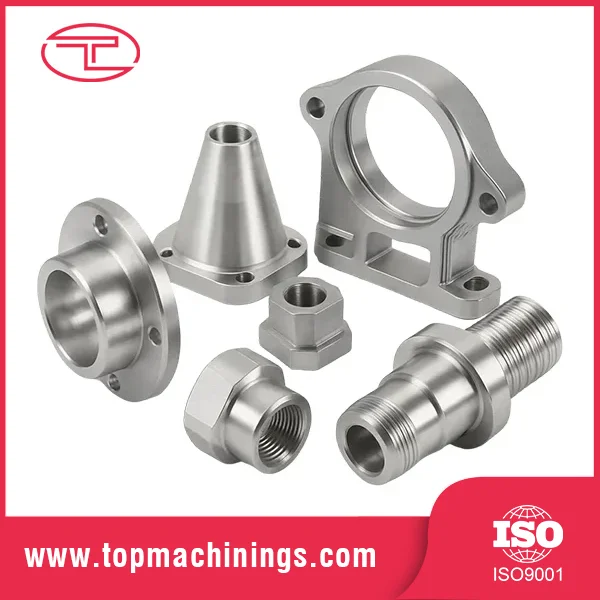
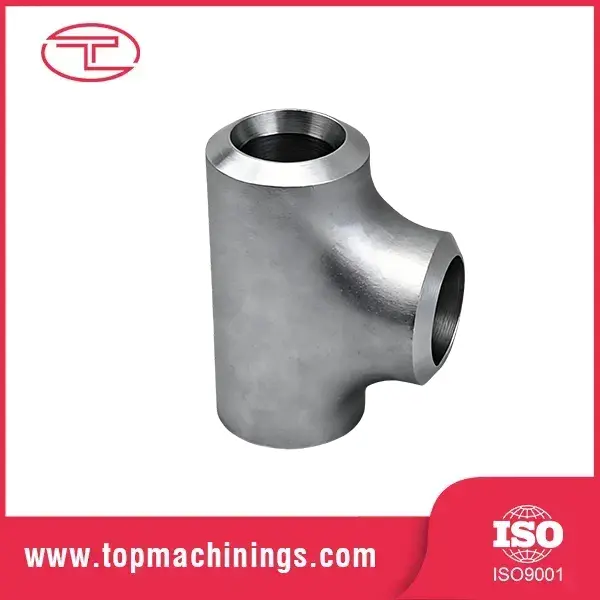
Copper ranks among costly engineering metals, so you need to balance performance needs and overall cost when picking it. Copper boasts great malleability, electrical conductivity and thermal conductivity. Machined copper components are widely used across automotive, aerospace, medical and many other industries. Besides, copper is also easy to machine.


Machining Copper Parts


1. Set Proper Feed Rates

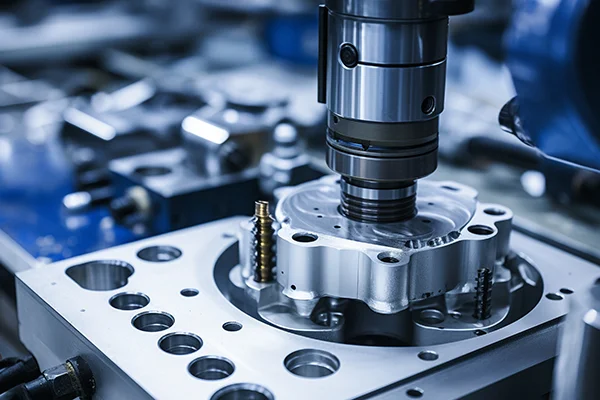
Feed rate refers to how fast cutting tools move against the parts. Before machining copper parts, Tuoyuan Metal always sets an appropriate feed speed. This factor directly impacts part quality, tool service life and surface finish. Copper dissipates heat very well, yet running at an overly high feed rate will wear cutting tools down faster over time.


2. Design for CNC Machining Copper Parts

We sort out all design requirements and technical specifications at Tuoyuan Metal ahead of copper machining to guarantee parts work as intended. Key design tweaks include cutting down assembly setup steps, simplifying dimension checks, and avoiding deep hollow cavities with tiny inner radii.


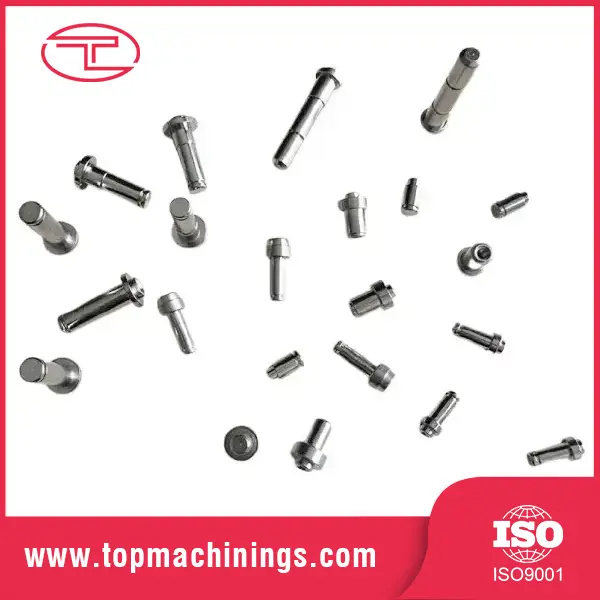
Machining Copper Parts


3. Pick the Right Cutting Tool Material

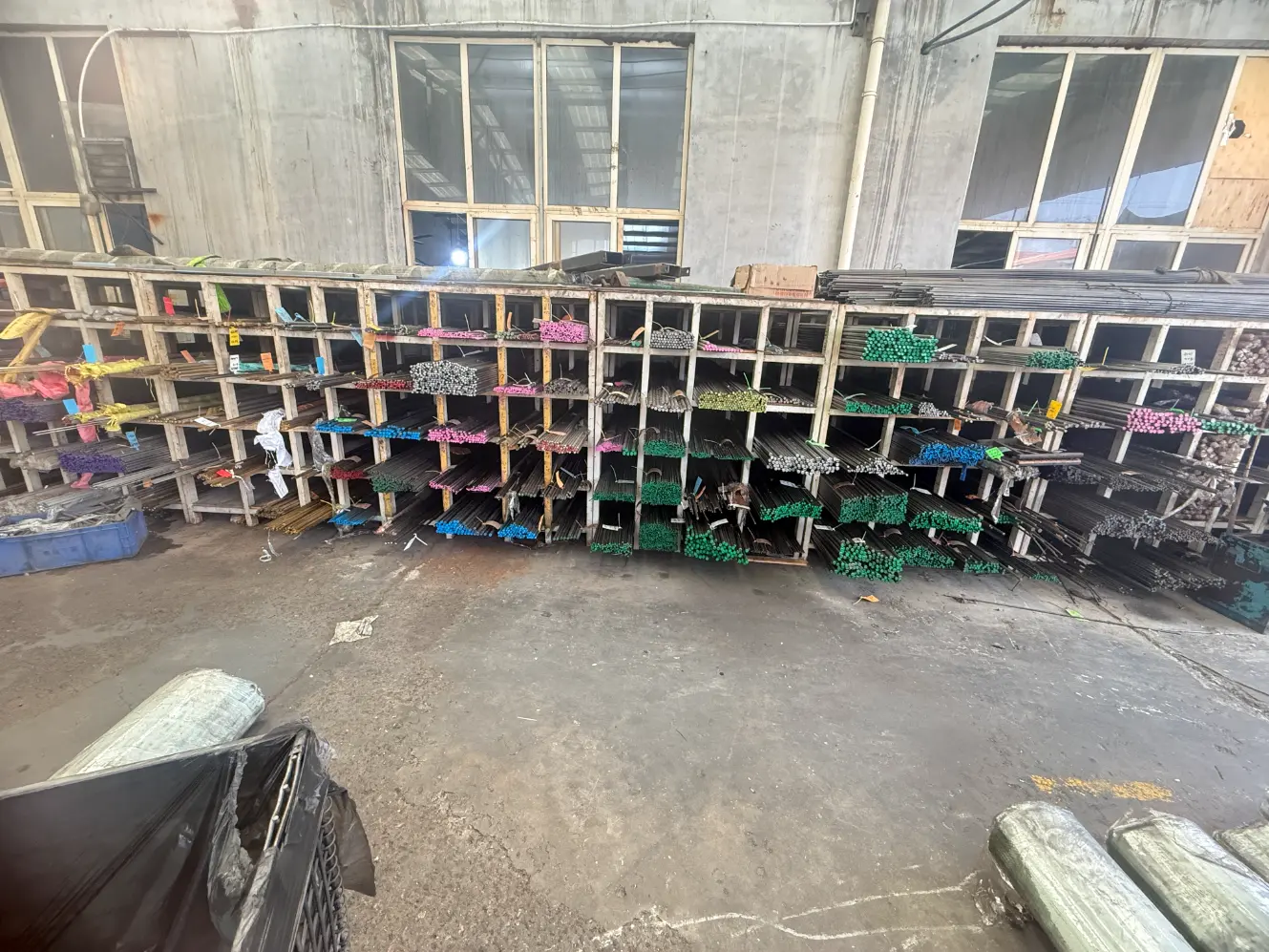
Most bronze sheets are softer than aluminum or steel of matching strength. This soft texture easily causes built-up edge on cutting inserts and accelerates tool wear. That makes tool material selection critical. High-speed steel works perfectly for CNC machining copper parts.


4. Post-Production Surface Finishing

Copper is mostly chosen for its superior electrical and heat transfer capabilities. Many standard surface treatments made for steel or aluminum are not a good fit here, since those coatings will block copper’s conductive properties.


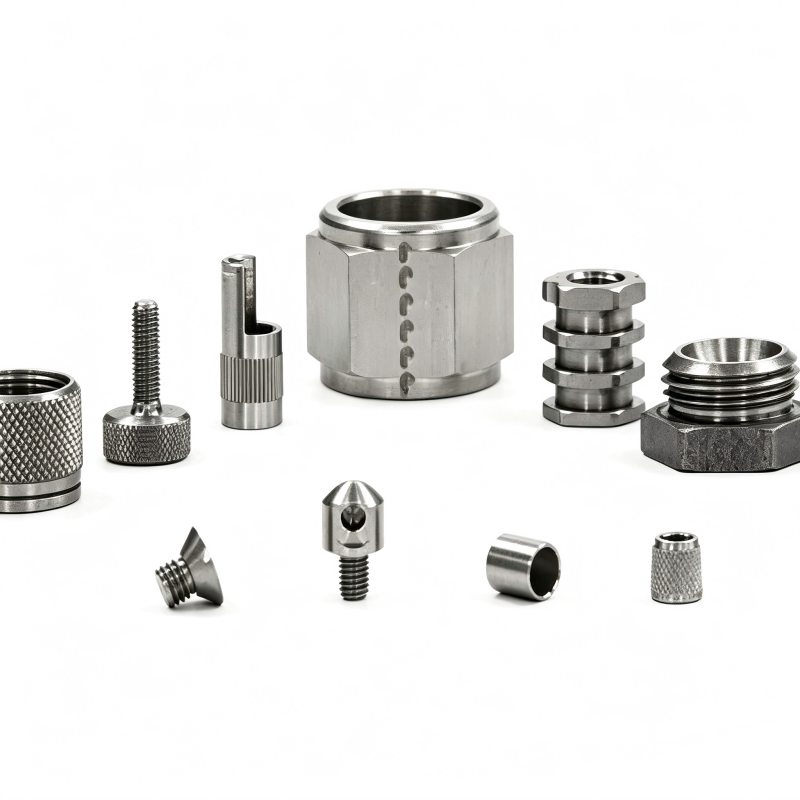
Machining Copper Parts


5. Electropolish Treatment

Electropolishing can create an ultra-smooth mirror finish on copper workpieces. This treatment removes an ultra-thin layer of material from the part surface, with removal thickness ranging from 0.00254 mm up to 0.0635 mm (0.0001 inch to 0.0025 inch). It greatly improves copper’s anti-corrosion capacity, and will not compromise its conductive properties in any way.


6. Electroplating Process

Electroplating adds a protective metal coating to copper base material, while fully retaining the original electrical and thermal conductivity of copper. This outer layer prevents the copper surface from oxidation. If you plate the part with precious metals such as silver or gold, extra advantages come along: contact resistance gets greatly reduced, so the material keeps outstanding conductive performance.

Related News
Leave me a message
X
We use cookies to offer you a better browsing experience, analyze site traffic and personalize content. By using this site, you agree to our use of cookies.Privacy Policy
RejectAccept