News

Which Metal Works Best for Precision Automotive Components?

2026-09-22 0 Leave me a message

Steel is often suitable for high-strength and wear-intensive automotive components, aluminum for lightweight precision parts, stainless steel for corrosion-sensitive applications, brass for highly machinable fittings and connectors, and titanium for specialized high-performance applications. The "best" material is ultimately the one whose mechanical and manufacturing properties match the component's actual operating conditions.


There is a best metal for a specific component, in a specific position, at a specific cost, and the answer changes between a brake caliper bracket, a sensor housing, a fuel fitting and a dashboard fastener. The useful way to choose is to rank the demands the part faces and then match the material to the ranking. This article sets out how we work through that decision with automotive buyers, with the property values engineers actually use.


Material

Key advantages

Typical automotive applications

Steel

High strength, wear resistance, relatively economical

Shafts, gears, brackets, fasteners, structural components

Stainless steel

Corrosion resistance, good strength and durability

Valves, fittings, sensors, fasteners, fluid-system components

Aluminum

Lightweight, good machinability, corrosion resistance

Housings, brackets, engine components, transmission parts

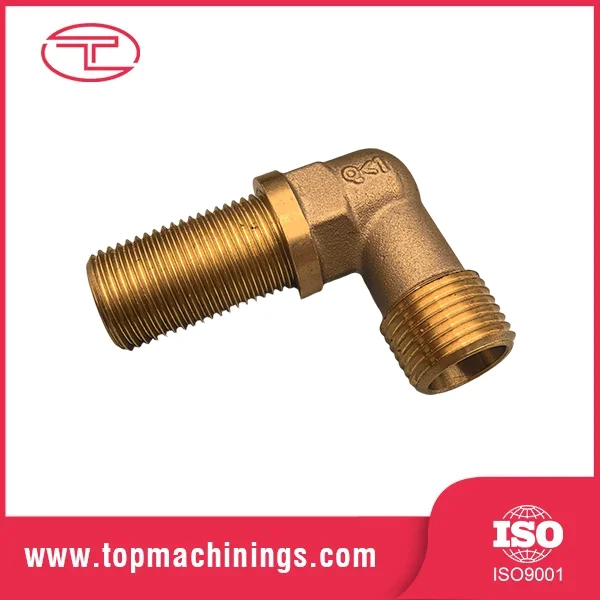
Brass

Excellent machinability and corrosion resistance

Bushings, connectors, fittings, valve components

Titanium

High strength-to-weight ratio, heat and corrosion resistance

Performance/advanced automotive components

Copper

Excellent electrical and thermal conductivity

Electrical connectors, terminals and conductive components


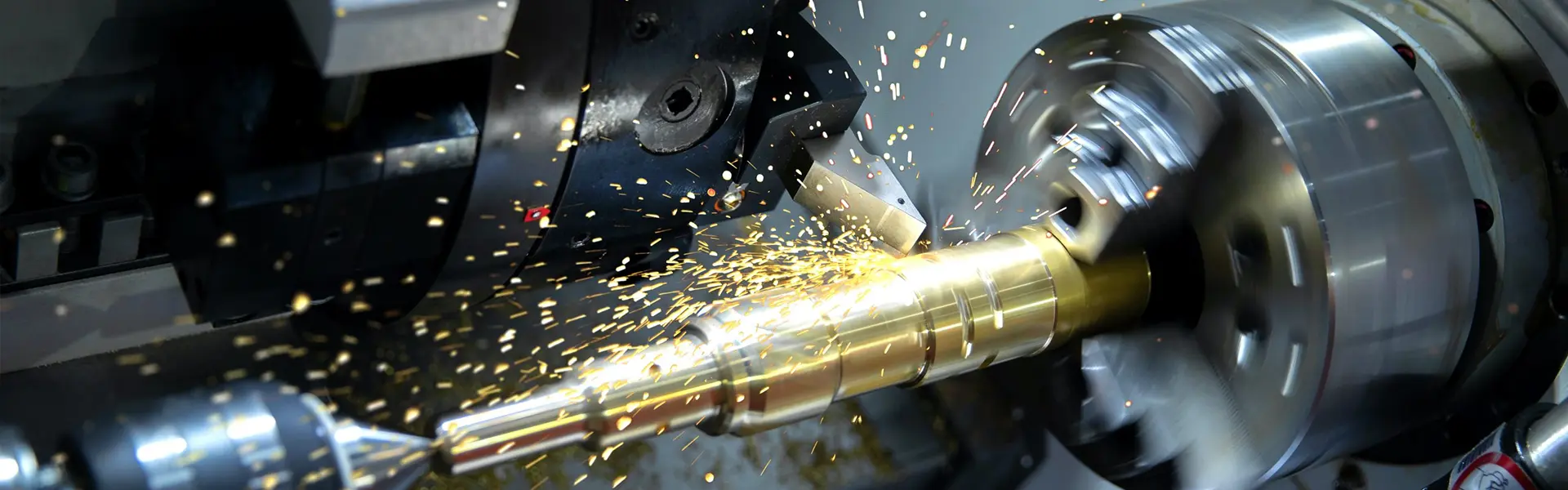
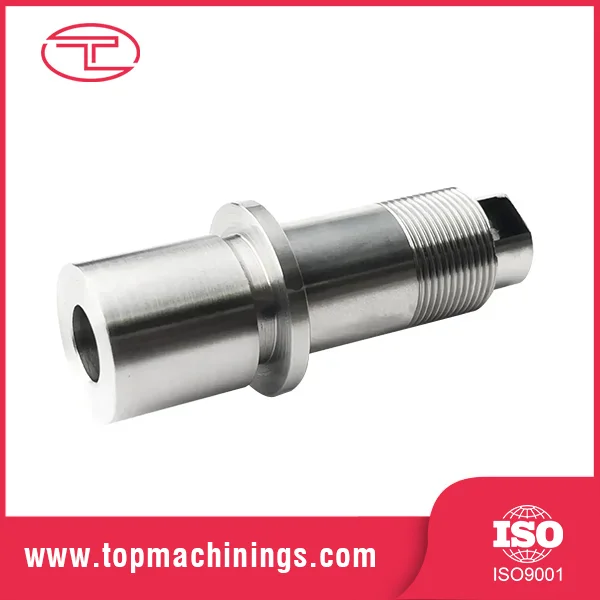
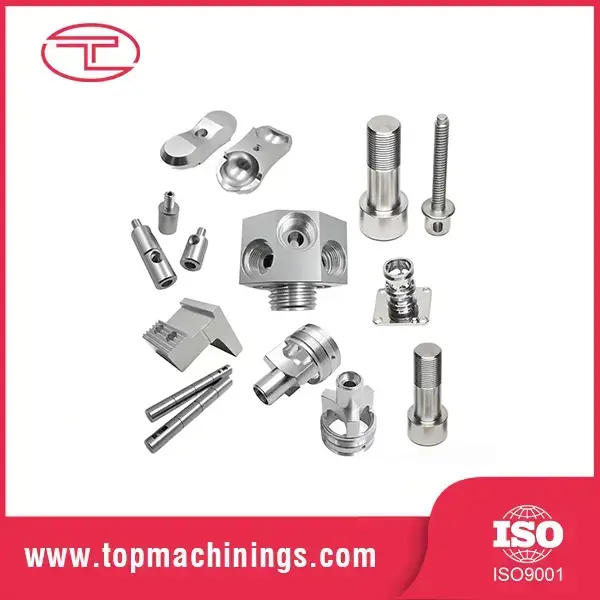
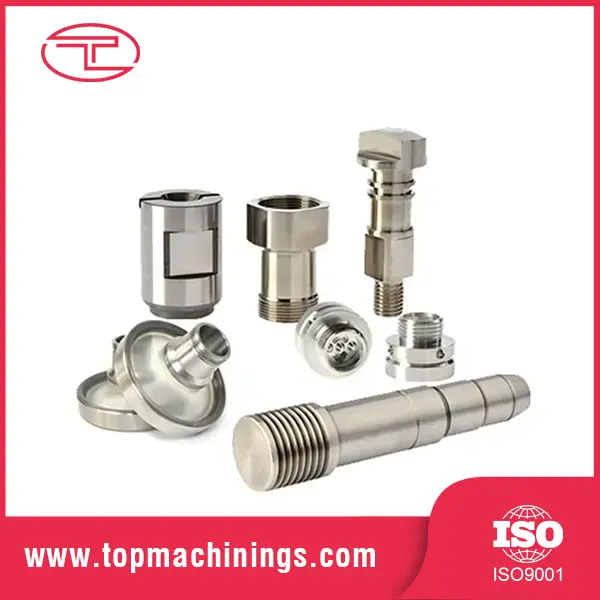
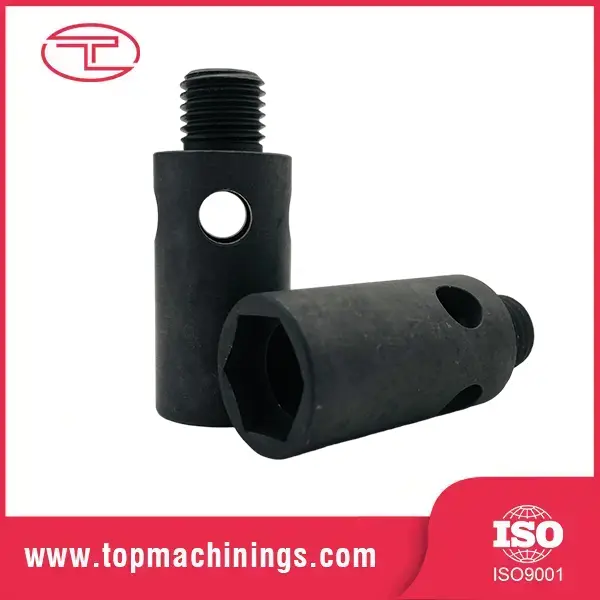
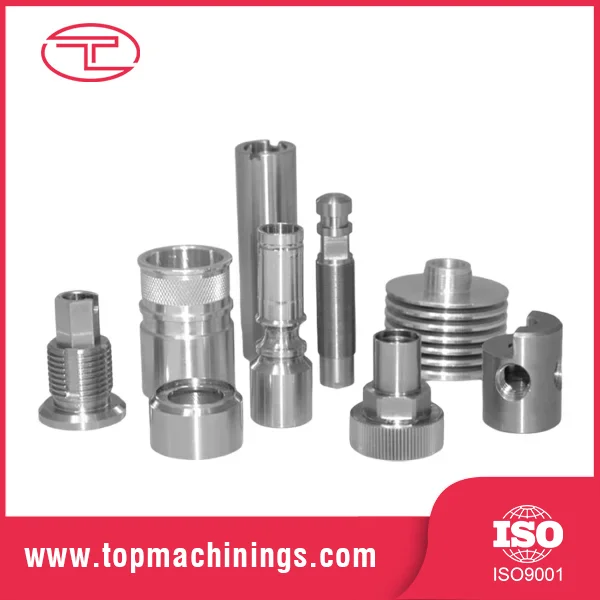
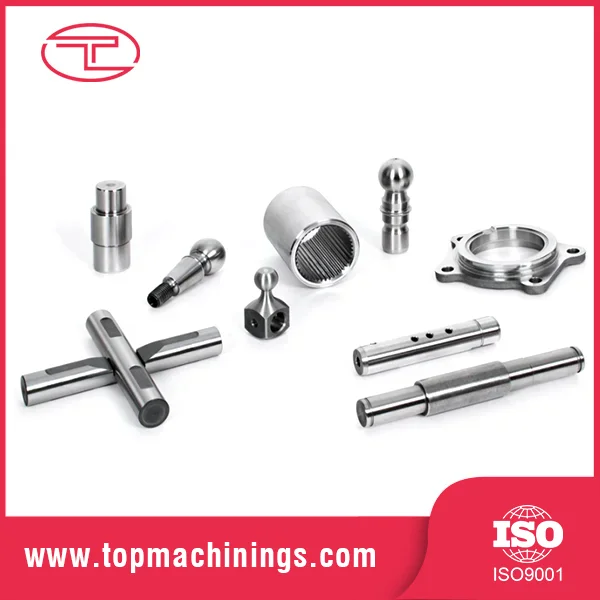
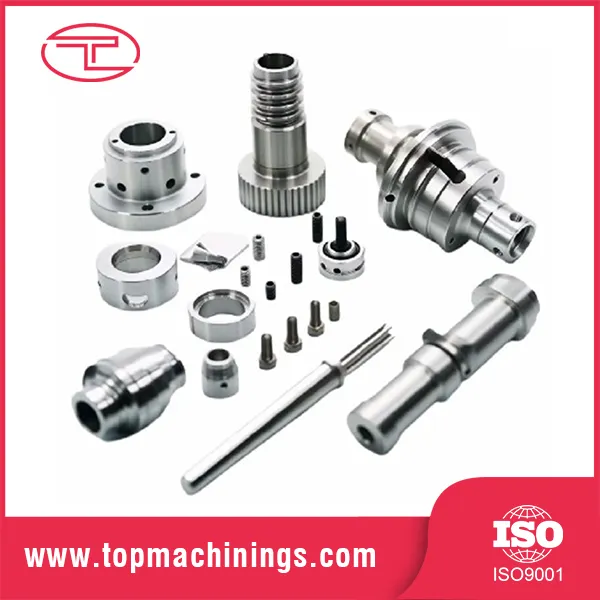
CNC Machined Automotive Parts


Steel remains a practical choice for high-load components

For automotive components exposed to substantial mechanical loads or wear, carbon steel and alloy steel are commonly considered because they provide a useful combination of strength, hardness and machinability.

For example, precision shafts, gears and certain fasteners may require a material that can maintain dimensional stability under repeated loads. Depending on the design, heat treatment can further modify hardness and mechanical properties.


Aluminum is valuable when weight reduction matters

When reducing vehicle weight is a major design consideration, aluminum alloys can be attractive. Aluminum has a lower density than steel while offering good machinability, making it suitable for many precision-machined housings, brackets and other components where extreme hardness is not the primary requirement.


Stainless steel for demanding environments

Automotive components exposed to moisture, chemicals or corrosive fluids may benefit from stainless steel. Material selection still needs to consider the specific environment because different stainless-steel grades have different corrosion resistance, strength and machining characteristics.


How We Support the Selection

Buyers usually arrive with a drawing and a function rather than a material decision, which is the right order. We review the drawing against the operating conditions, suggest the alloy and the finishing route that fit the application, and confirm the tolerance and surface roughness the process can hold on that material. Prototype quantities are produced before a volume commitment, and the first article report gives the buyer measured values to place against the design requirement.

Related News
Leave me a message
X
We use cookies to offer you a better browsing experience, analyze site traffic and personalize content. By using this site, you agree to our use of cookies. Privacy Policy
RejectAccept