News

Why Are Steel Precision Turned Parts Essential for Modern Manufacturing?

2026-05-07 0 Leave me a message

Steel precision turned parts are widely used in industries that demand tight tolerances, high durability, excellent surface finish, and reliable performance. From automotive systems and aerospace equipment to medical devices and industrial machinery, these components play a critical role in ensuring operational efficiency and product quality.

Manufacturers today face increasing pressure to produce complex components with greater accuracy, faster lead times, and lower costs. Steel precision turned parts help solve these challenges by delivering consistent dimensions, strong mechanical properties, and outstanding compatibility with automated production systems.

This article explores everything buyers, engineers, and manufacturers need to know about steel precision turned parts, including materials, machining processes, applications, advantages, quality control methods, cost factors, customization options, and supplier selection tips.

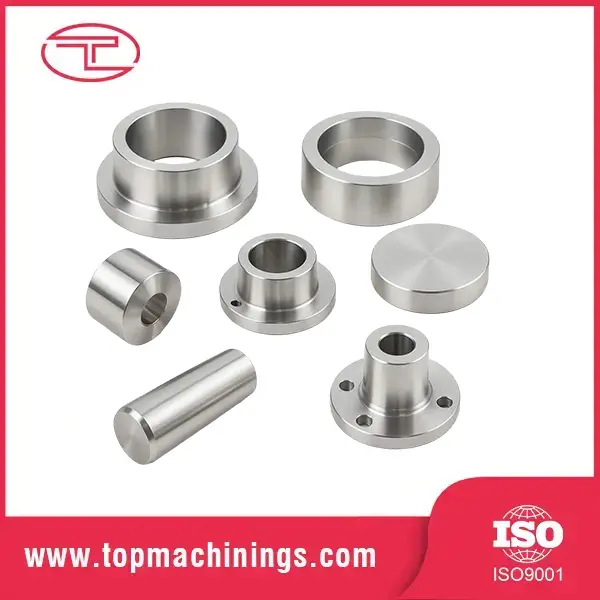
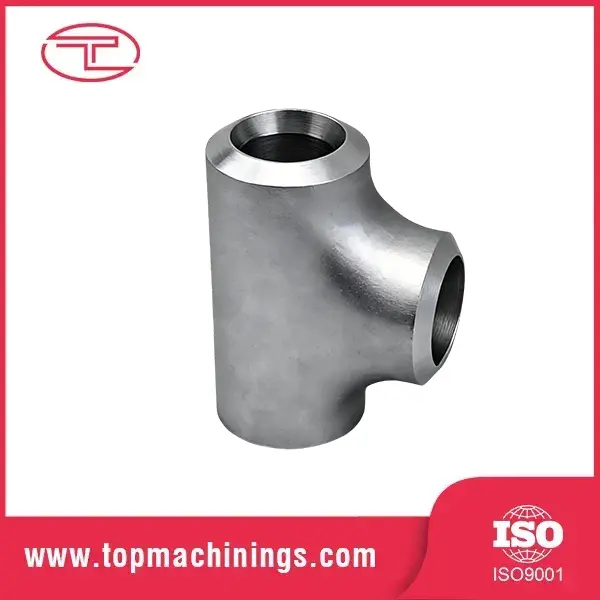
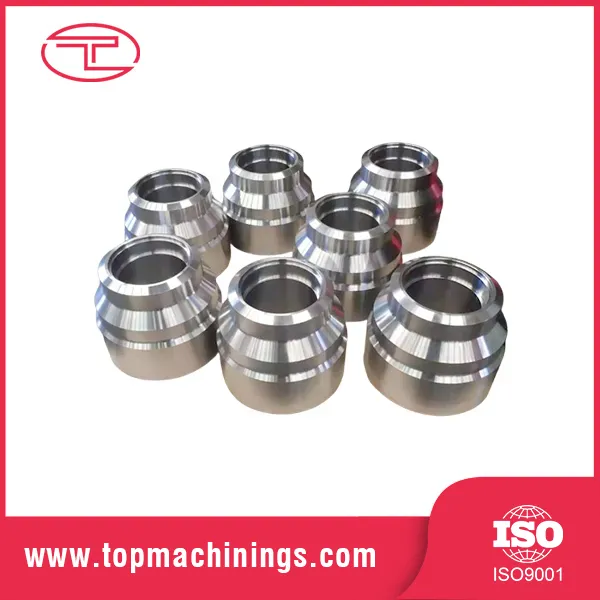
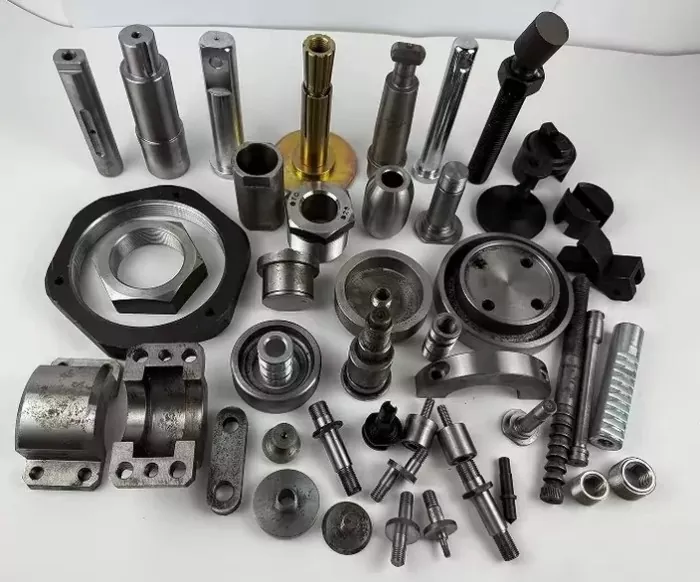
Steel precision turned parts


Article Summary

This comprehensive guide explains the importance of steel precision turned parts in modern industries. It covers manufacturing techniques, material selection, industrial applications, tolerance standards, surface treatments, quality inspection methods, and practical purchasing advice. Whether you are sourcing custom CNC components or improving product performance, this article provides detailed insights to help you make informed decisions.


Table of Contents


1. What Are Steel Precision Turned Parts?

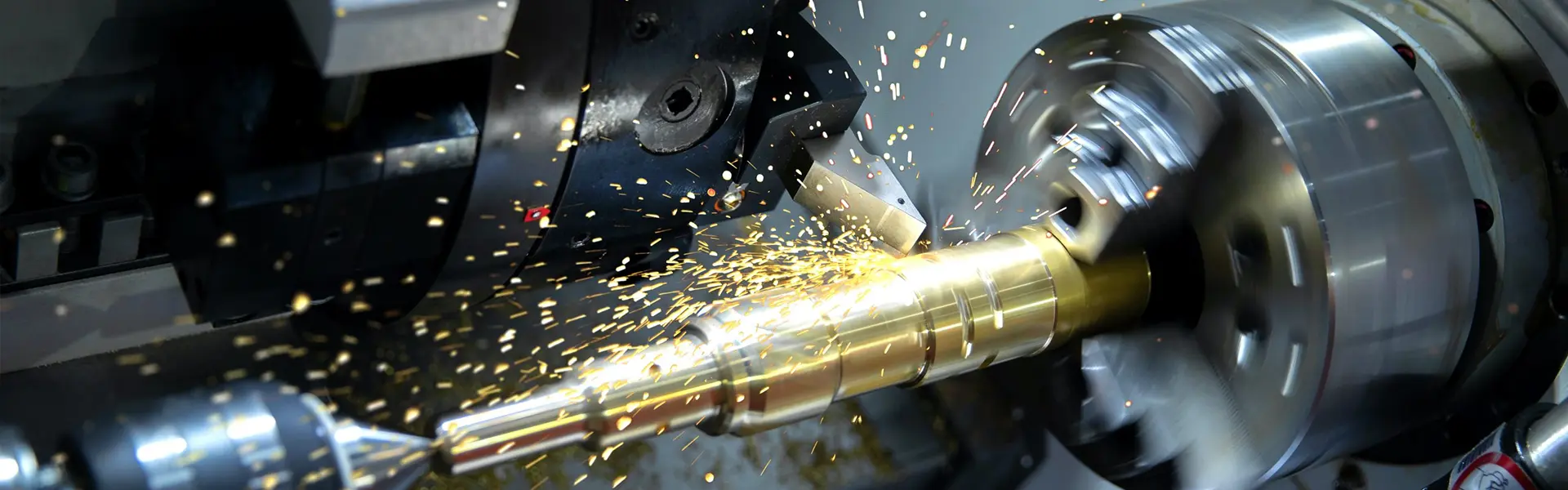
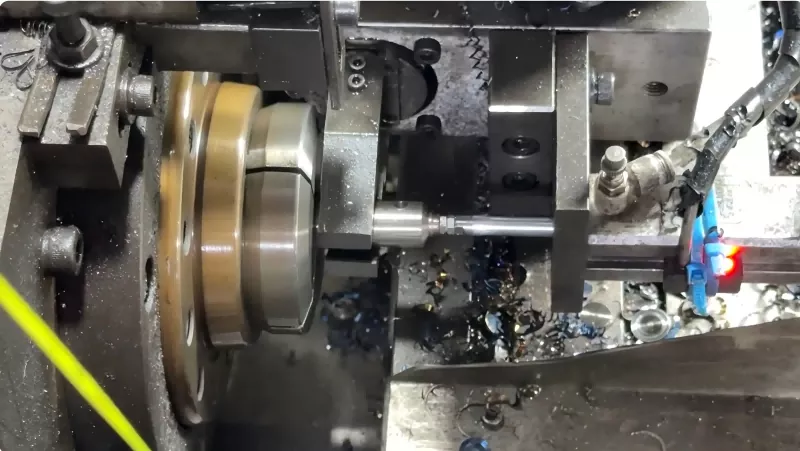
Steel precision turned parts are components manufactured through precision turning processes, typically using CNC lathes or automatic turning machines. During the process, a cutting tool removes material from a rotating steel workpiece to create highly accurate shapes and dimensions.

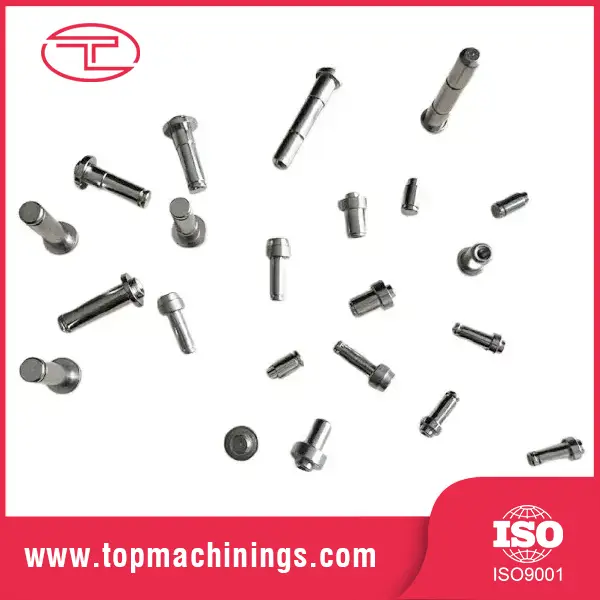
These parts are commonly used in:

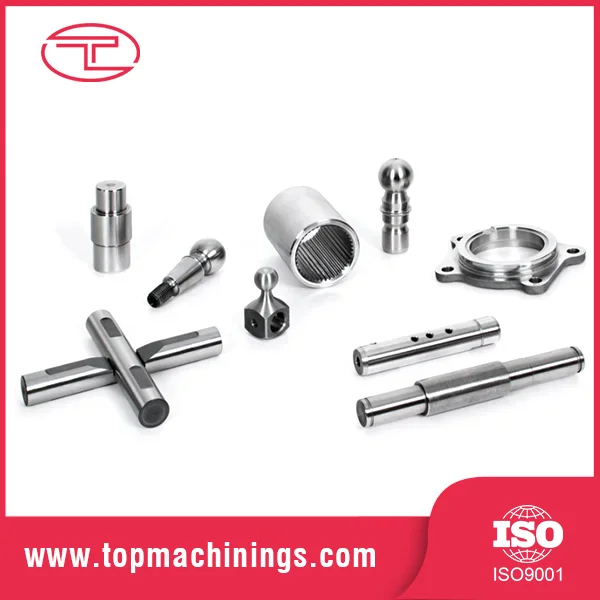
  • Shafts
  • Bushings
  • Pins
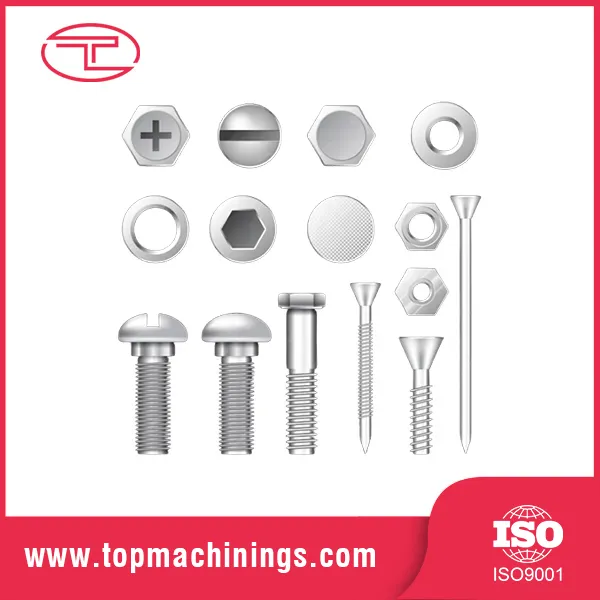
  • Fasteners
  • Connectors
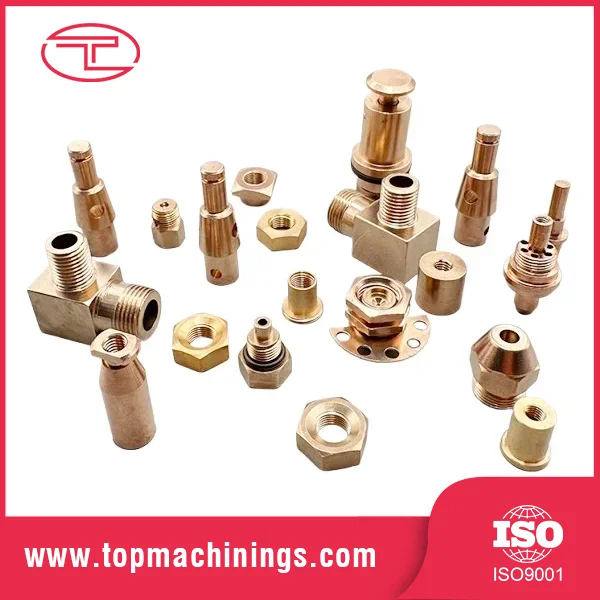
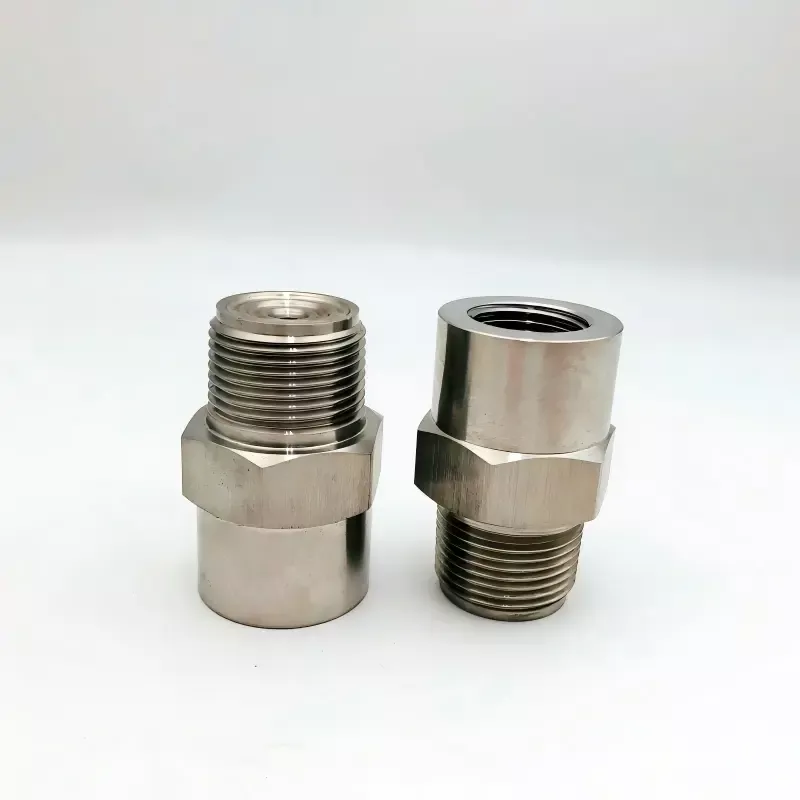
  • Valve components
  • Hydraulic fittings
  • Medical instrument parts
  • Automotive precision components

Precision turned parts are valued because they offer:

Feature Benefit
High dimensional accuracy Ensures assembly compatibility
Smooth surface finish Reduces friction and wear
Repeatable production Maintains consistent quality
Strong steel structure Provides long service life
Customization flexibility Supports unique designs

2. Why Are Steel Precision Turned Parts So Important?

Modern equipment requires components that fit perfectly and perform reliably under demanding conditions. Even small dimensional errors can cause vibration, leakage, instability, or complete equipment failure.

Steel precision turned parts solve these challenges by delivering:

  • Excellent structural strength
  • High wear resistance
  • Stable dimensional consistency
  • Reliable operation under pressure
  • Long-term durability

In industries such as aerospace or medical manufacturing, precision is not optional. A slight deviation can impact safety, operational stability, and overall product performance.

As manufacturing automation increases worldwide, the demand for precision-machined steel components continues to grow rapidly.


3. Which Industries Use Steel Precision Turned Parts?

Steel precision turned parts are essential across multiple industries because of their strength, accuracy, and versatility.

Industry Applications
Automotive Engine parts, transmission shafts, brake components
Aerospace Aircraft fittings, hydraulic systems, fasteners
Medical Surgical tools, implants, diagnostic equipment
Electronics Connectors, housings, conductive parts
Industrial Machinery Bearings, couplings, rotating components
Energy Oil and gas valves, turbine parts
Construction Heavy equipment precision assemblies

Each industry has different requirements regarding tolerance, corrosion resistance, hardness, and surface finish.


4. How Are Steel Precision Turned Parts Manufactured?

The manufacturing process involves several carefully controlled stages.

Step 1: Material Selection

The correct steel grade is selected according to:

  • Strength requirements
  • Corrosion resistance
  • Heat resistance
  • Machinability
  • Cost considerations

Step 2: CNC Programming

Engineers create detailed CNC programs that define:

  • Dimensions
  • Cutting paths
  • Tool movement
  • Machining speed
  • Tolerance limits

Step 3: Precision Turning

The steel workpiece rotates while cutting tools remove material precisely.

Step 4: Secondary Operations

Additional processes may include:

  • Drilling
  • Threading
  • Milling
  • Grinding
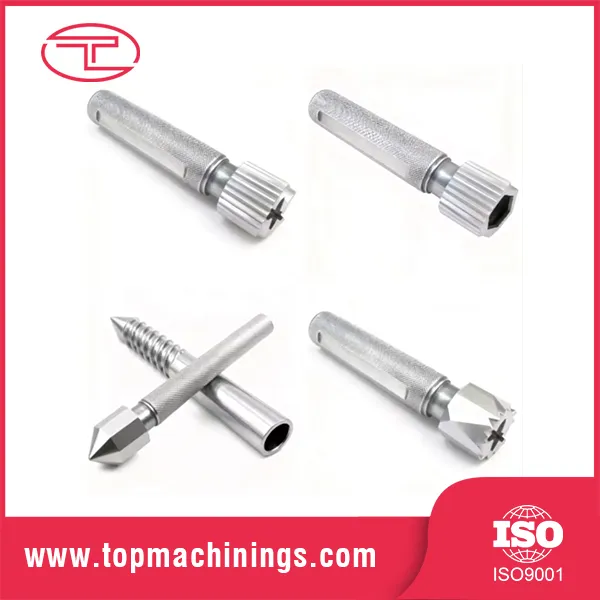
  • Knurling

Step 5: Surface Treatment

Surface finishing improves durability and appearance.

Step 6: Inspection

Finished parts undergo strict quality checks before shipment.


5. What Types of Steel Are Commonly Used?

Different steel materials offer unique properties for various applications.

Steel Type Main Characteristics Common Uses
Carbon Steel Strong and economical Industrial machinery
Stainless Steel Corrosion resistant Medical and food equipment
Alloy Steel Enhanced hardness and toughness Automotive systems
Tool Steel Excellent wear resistance Cutting tools and dies
Free-Cutting Steel High machinability High-speed production

Selecting the right material directly affects performance, durability, and production efficiency.


6. What Are the Advantages of Precision Turning?

Precision turning offers many advantages compared with traditional machining methods.

  • Higher dimensional accuracy
  • Faster production speed
  • Lower material waste
  • Excellent repeatability
  • Reduced labor costs
  • Complex geometry capability
  • Better surface finish

Modern CNC turning machines can operate continuously with minimal human intervention, significantly improving manufacturing productivity.


7. How Do Tolerances Affect Product Performance?

Tolerance refers to the allowable variation in dimensions during manufacturing.

Tight tolerances are critical because they ensure:

  • Proper assembly fit
  • Reduced vibration
  • Improved sealing performance
  • Lower friction
  • Longer product lifespan

For example, a shaft that is too large may not fit into a bearing, while a shaft that is too small may cause instability during operation.

Precision turned parts often require micron-level tolerances for advanced industrial applications.


8. What Surface Treatments Improve Steel Components?

Surface treatment enhances appearance, corrosion resistance, hardness, and wear performance.

Surface Treatment Main Benefit
Zinc Plating Corrosion protection
Nickel Plating Improved wear resistance
Chrome Plating Enhanced hardness and shine
Black Oxide Reduced reflection and mild protection
Polishing Smooth appearance and lower friction
Heat Treatment Improved mechanical strength

Choosing the proper surface treatment depends on environmental conditions and application requirements.


9. How Is Quality Control Performed?

Strict quality control ensures every precision turned component meets technical specifications.

Common inspection methods include:

  • Coordinate measuring machine inspection
  • Micrometer measurement
  • Hardness testing
  • Surface roughness analysis
  • Thread gauge inspection
  • Salt spray testing
  • Visual inspection

Quality management systems help manufacturers maintain stable production standards and reduce defect rates.


10. What Factors Affect Manufacturing Costs?

Several factors influence the final price of steel precision turned parts.

Factor Impact on Cost
Material type Premium steel costs more
Tolerance requirements Tighter tolerances increase machining time
Complex geometry Requires advanced machining
Surface treatment Adds processing expenses
Production quantity Large volumes reduce unit costs
Inspection standards More testing increases cost

Balancing quality and cost efficiency is important when sourcing precision-machined components.


11. How Can Customization Improve Efficiency?

Customized steel precision turned parts allow manufacturers to optimize equipment performance and reduce assembly complications.

Benefits of customization include:

  • Improved compatibility
  • Reduced assembly time
  • Enhanced operational reliability
  • Lower maintenance frequency
  • Better product differentiation

Custom solutions also help companies meet unique engineering requirements that standard parts cannot satisfy.


12. Why Is CNC Technology Important?

CNC technology revolutionized precision machining by improving accuracy, consistency, and automation.

Compared with manual machining, CNC systems provide:

  • Higher precision
  • Automated repeatability
  • Faster production cycles
  • Reduced human error
  • Complex shape capability
  • Lower rejection rates

Advanced CNC turning centers can integrate multiple machining operations into a single setup, significantly improving efficiency.


13. What Problems Can Poor Machining Cause?

Low-quality precision turned parts can create serious operational problems.

Machining Issue Potential Consequence
Incorrect dimensions Assembly failure
Rough surface finish Excessive friction
Poor material quality Premature breakage
Improper heat treatment Reduced hardness
Weak threading Connection instability
Inconsistent production High rejection rates

Reliable manufacturing processes are essential for maintaining product quality and operational safety.


14. How to Choose a Reliable Supplier?

Selecting the right supplier is critical for achieving consistent quality and long-term cooperation.

Key factors to evaluate include:

  • Manufacturing experience
  • Technical capabilities
  • CNC equipment quality
  • Inspection standards
  • Customization support
  • Production capacity
  • Lead time management
  • Engineering communication
  • Industry certifications

A professional supplier should also provide transparent communication, detailed technical support, and stable product quality.


15. Why Choose Qingdao Tuoyuan Metal Products Co., Ltd.?

Qingdao Tuoyuan Metal Products Co., Ltd. specializes in manufacturing high-quality steel precision turned parts for global industrial applications.

The company offers:

  • Advanced CNC machining equipment
  • Strict quality inspection systems
  • Custom precision manufacturing solutions
  • Experienced engineering support
  • Stable production capability
  • Flexible order quantities
  • Reliable delivery schedules

By focusing on precision, consistency, and customer satisfaction, Qingdao Tuoyuan Metal Products Co., Ltd. provides dependable solutions for modern manufacturing industries.


16. FAQ

What are steel precision turned parts used for?

They are used in automotive, aerospace, electronics, medical, industrial, and energy industries for highly accurate mechanical applications.

Why is stainless steel commonly used in precision turning?

Stainless steel offers excellent corrosion resistance, durability, and mechanical strength, making it ideal for demanding environments.

What tolerance levels can CNC turning achieve?

Modern CNC turning can achieve micron-level tolerances depending on material type, machine capability, and design complexity.

How does surface treatment improve component performance?

Surface treatment enhances wear resistance, corrosion protection, appearance, and operational lifespan.

Can precision turned parts be customized?

Yes. Manufacturers can produce custom dimensions, threading, surface finishes, and complex geometries according to customer drawings and specifications.

How can buyers reduce machining costs?

Optimizing design complexity, increasing production volume, and selecting suitable materials can help reduce overall manufacturing costs.


17. Conclusion

Steel precision turned parts are essential components in modern manufacturing because they provide outstanding accuracy, strength, reliability, and efficiency. As industries continue demanding higher performance and tighter tolerances, precision machining technology becomes increasingly important.

From material selection and CNC machining to quality inspection and surface treatment, every manufacturing stage directly impacts final product performance. Choosing an experienced supplier ensures stable quality, efficient production, and long-term operational success.

Qingdao Tuoyuan Metal Products Co., Ltd. is committed to delivering reliable steel precision turned parts tailored to various industrial needs. Whether you require custom CNC machining solutions, high-volume production, or precision-engineered steel components, the company can provide professional support and dependable manufacturing services.

Contact us today to discuss your custom steel precision turned parts project and discover how professional machining solutions can improve your product performance and manufacturing efficiency.

Related News
Leave me a message
X
We use cookies to offer you a better browsing experience, analyze site traffic and personalize content. By using this site, you agree to our use of cookies. Privacy Policy
Reject Accept