News

What Makes CNC Machined Components Essential for Modern Manufacturing?

2026-04-28 0 Leave me a message

CNC machined components are the backbone of precision manufacturing across industries such as aerospace, automotive, medical devices, and electronics. This comprehensive guide explores what CNC machined components are, how they are produced, why they matter, and how businesses can choose the right supplier. It also addresses common customer pain points such as cost, quality consistency, lead time, and customization flexibility. By the end, you will have a clear understanding of how CNC machining can improve your product performance and streamline your supply chain.

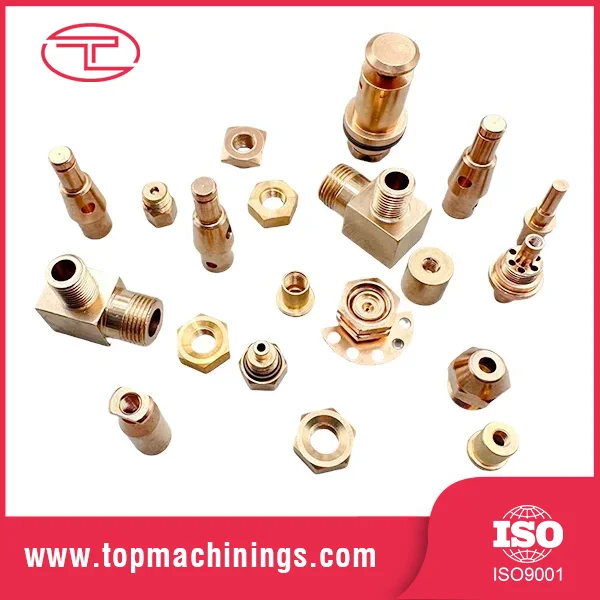
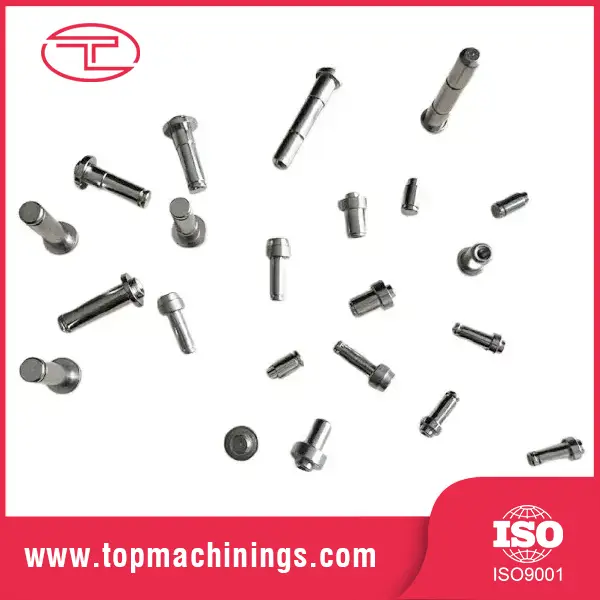
CNC machined components


Table of Contents


1. What Are CNC Machined Components?

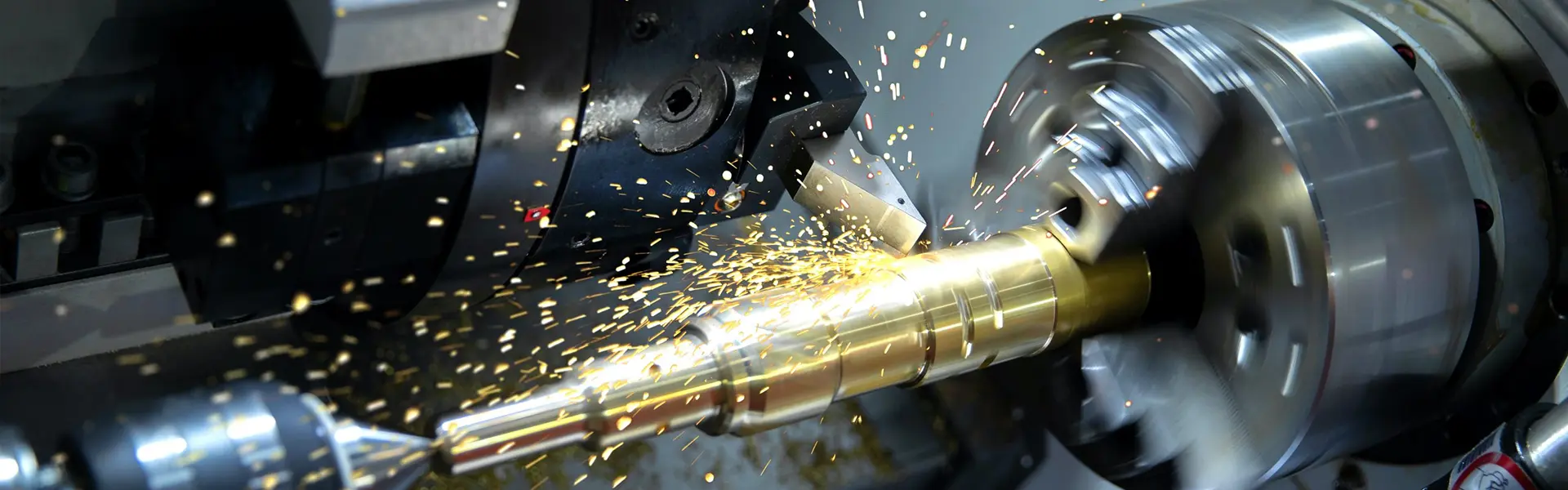
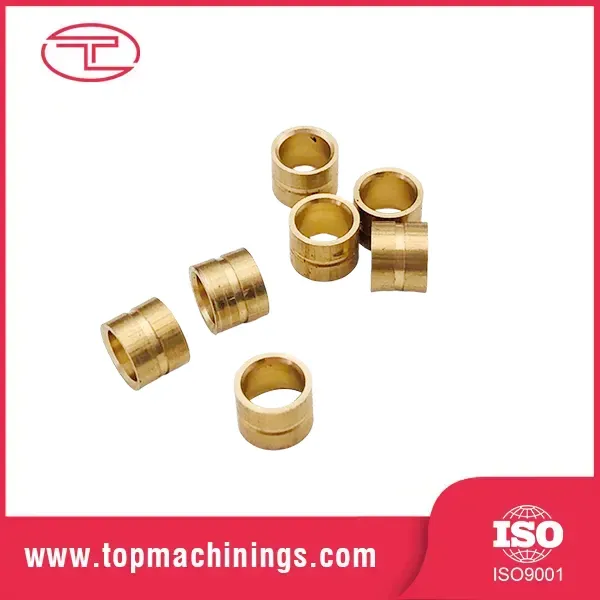
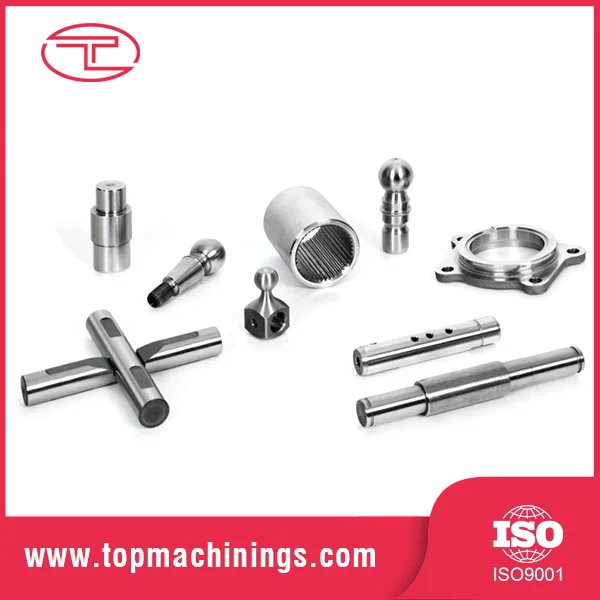
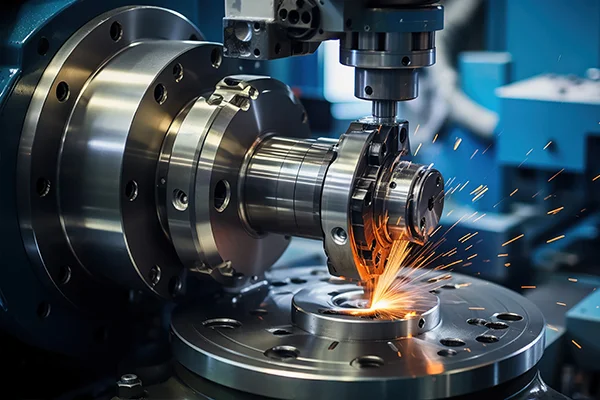
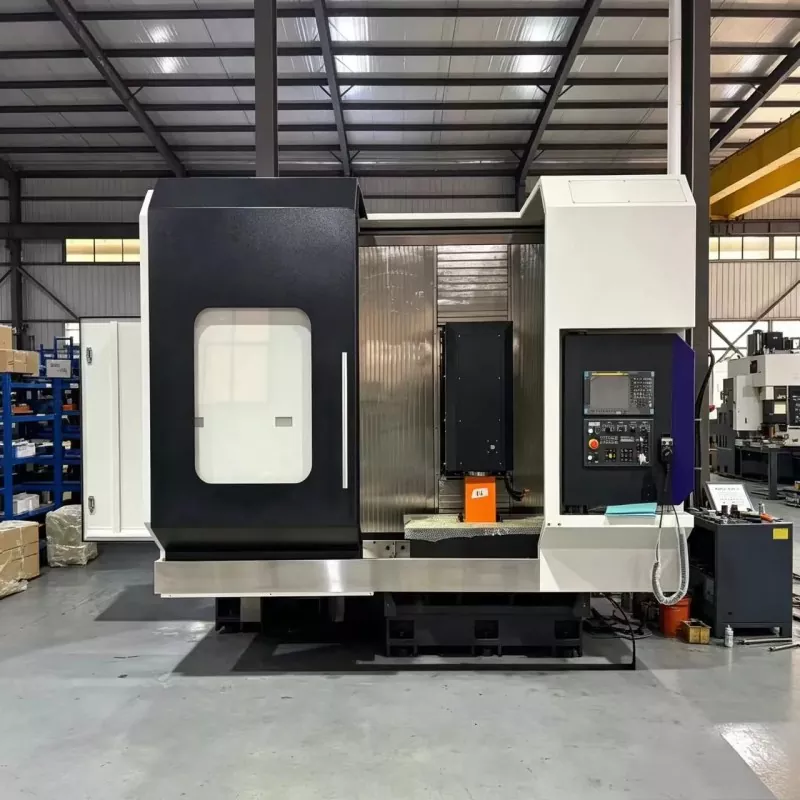
CNC machined components are precision-engineered parts manufactured using computer-controlled machines. CNC stands for Computer Numerical Control, which means the machining tools are guided by pre-programmed software to perform highly accurate operations such as cutting, drilling, milling, and turning.

These components are widely used in industries where tight tolerances and high reliability are required. From small medical implants to large automotive parts, CNC machining ensures consistency and precision in every production run.


2. How Does CNC Machining Work?

The CNC machining process involves several key steps:

  • Designing a CAD (Computer-Aided Design) model
  • Converting the design into CNC code (G-code)
  • Setting up the machine with the appropriate tools
  • Executing automated machining operations
  • Quality inspection and finishing

This automated workflow minimizes human error and ensures repeatability, which is critical for mass production.


3. Why Are CNC Machined Components Important?

CNC machined components play a crucial role in modern manufacturing due to their:

  • High precision and tight tolerances
  • Consistency across large production volumes
  • Ability to produce complex geometries
  • Compatibility with a wide range of materials

Without CNC machining, achieving the same level of accuracy and efficiency would be extremely difficult.


4. Common Materials Used in CNC Machining

Material Characteristics Applications
Aluminum Lightweight, corrosion-resistant Aerospace, electronics
Steel Strong, durable Automotive, construction
Stainless Steel Corrosion-resistant, hygienic Medical, food processing
Brass Good conductivity, machinability Electrical components
Plastic Lightweight, versatile Consumer products

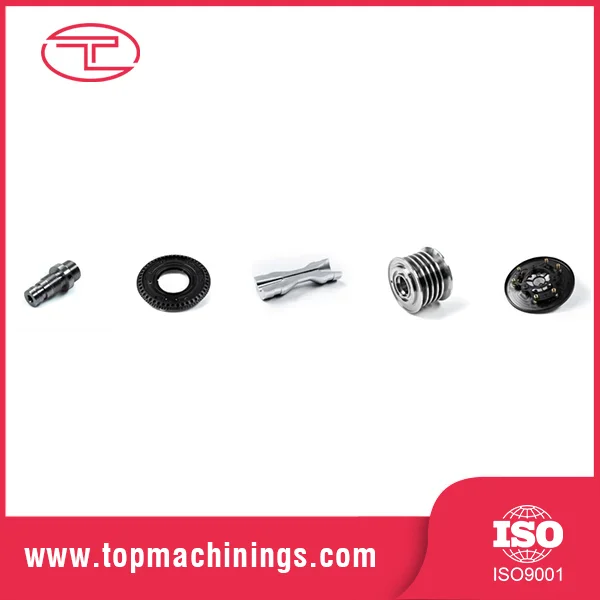
5. Types of CNC Machined Components

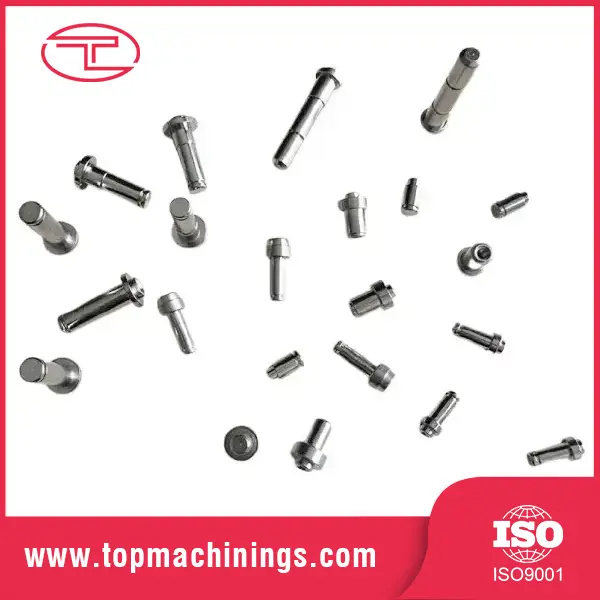
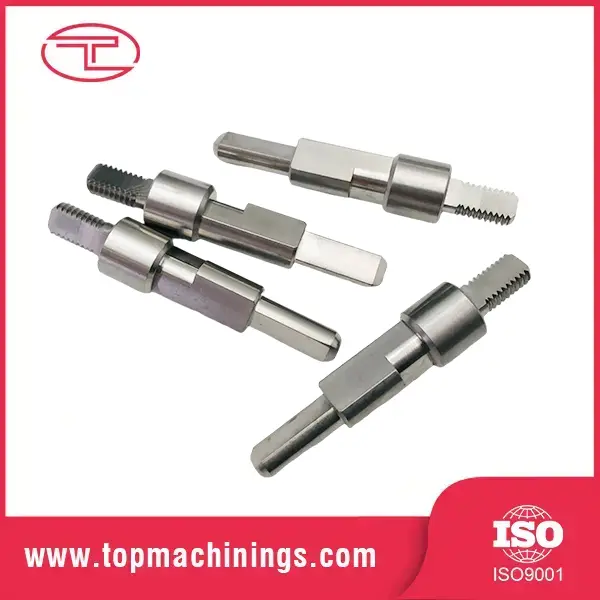
  • Precision shafts
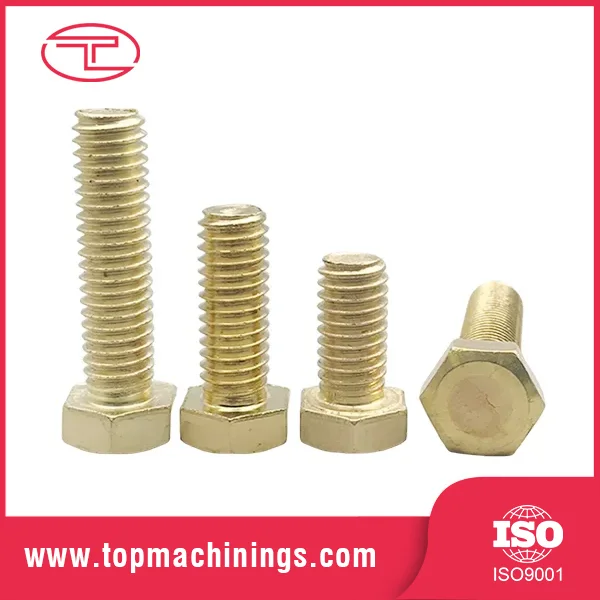
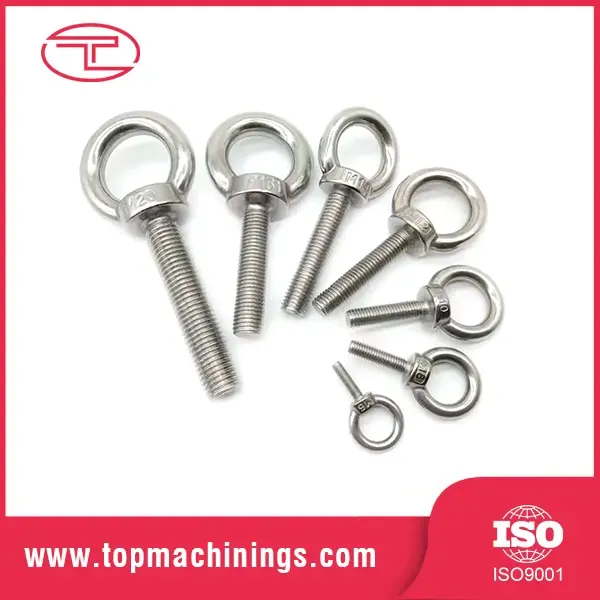
  • Custom fasteners
  • Medical device parts
  • Aerospace structural components
  • Automotive engine parts

Each type requires different machining techniques and quality standards.


6. Key Advantages of CNC Machining

  • Accuracy: Achieves tolerances as tight as ±0.001 mm
  • Efficiency: Faster production cycles
  • Scalability: Suitable for both prototyping and mass production
  • Flexibility: Easy design modifications
  • Repeatability: Identical parts every time

7. Customer Pain Points and Solutions

Many customers face challenges when sourcing CNC machined components. Below is a breakdown of common issues and practical solutions:

Pain Point Cause Solution
High cost Complex designs or low volume Optimize design for manufacturability
Long lead times Inefficient production planning Choose experienced suppliers
Inconsistent quality Lack of quality control Work with certified manufacturers
Limited customization Outdated equipment Select advanced CNC providers

8. How to Choose a Reliable CNC Machining Supplier

  • Check certifications and quality standards
  • Evaluate production capabilities
  • Review customer feedback and case studies
  • Assess communication and responsiveness
  • Compare pricing and lead times

A trusted partner like Qingdao Tuoyuan Metal Products Co., Ltd. can provide high-quality CNC machined components with consistent performance and reliable delivery.


9. CNC Machining vs Other Manufacturing Methods

Method Precision Cost Best Use
CNC Machining High Medium Complex, high-precision parts
Injection Molding Medium Low (mass production) Plastic parts
3D Printing Medium High Prototyping

10. Future Trends in CNC Machining

  • Integration with AI and automation
  • Increased use of smart manufacturing systems
  • Advanced materials and composites
  • Sustainable and energy-efficient processes

These trends will further enhance productivity and reduce operational costs.


11. FAQ

Q1: What industries use CNC machined components?
A: Aerospace, automotive, medical, electronics, and more.

Q2: How accurate is CNC machining?
A: It can achieve tolerances as tight as ±0.001 mm depending on the machine and material.

Q3: Is CNC machining suitable for small batches?
A: Yes, it is ideal for both prototyping and low-volume production.

Q4: What factors affect CNC machining cost?
A: Material, complexity, volume, and finishing requirements.

Q5: How long does production take?
A: Lead times vary from a few days to several weeks depending on project complexity.


Conclusion

CNC machined components are indispensable in modern manufacturing, offering unmatched precision, flexibility, and efficiency. By understanding the process, materials, and supplier selection criteria, businesses can significantly improve product quality and reduce costs.

If you are looking for reliable, high-quality CNC machined components tailored to your specific needs, Qingdao Tuoyuan Metal Products Co., Ltd. is ready to support your projects with professional expertise and advanced manufacturing capabilities.

Contact us today to discuss your requirements and discover how we can help bring your ideas to life with precision and efficiency.

Related News
Leave me a message
X
We use cookies to offer you a better browsing experience, analyze site traffic and personalize content. By using this site, you agree to our use of cookies. Privacy Policy
Reject Accept