News

Complex Precision Machining Components: How Do They Deliver Reliable Performance in Demanding Applications?

2026-08-24 0 Leave me a message

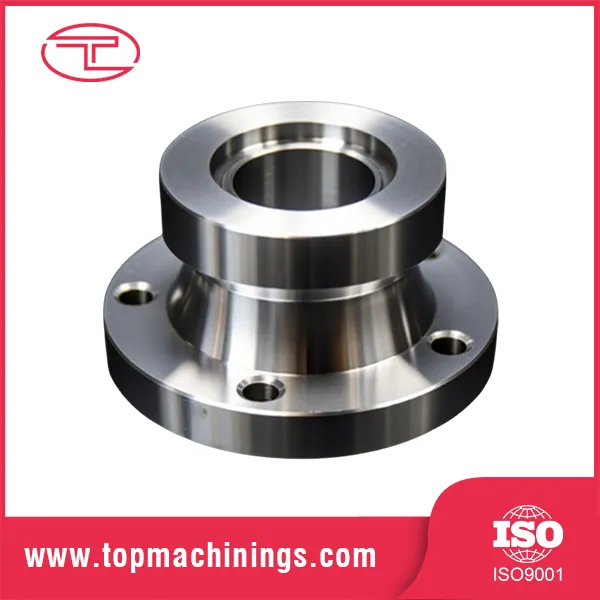
Complex precision machining components are essential when a part must combine tight dimensional tolerances, intricate geometries, reliable material performance, and repeatable quality. From automation equipment and industrial machinery to medical devices, aerospace systems, and energy applications, these components can determine how accurately an entire assembly operates. This guide explains their manufacturing process, performance benefits, inspection requirements, common challenges, and the key factors buyers should evaluate when selecting a machining supplier.

Complex precision machining components

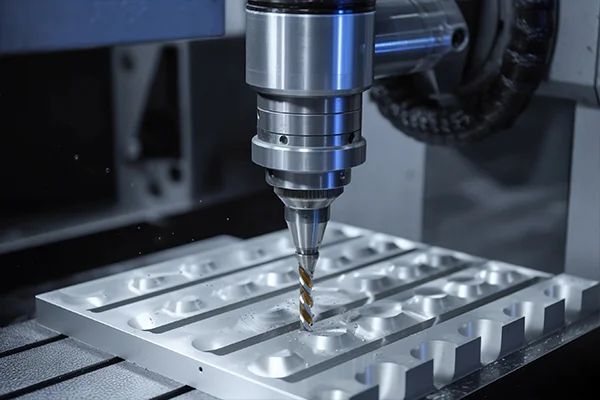
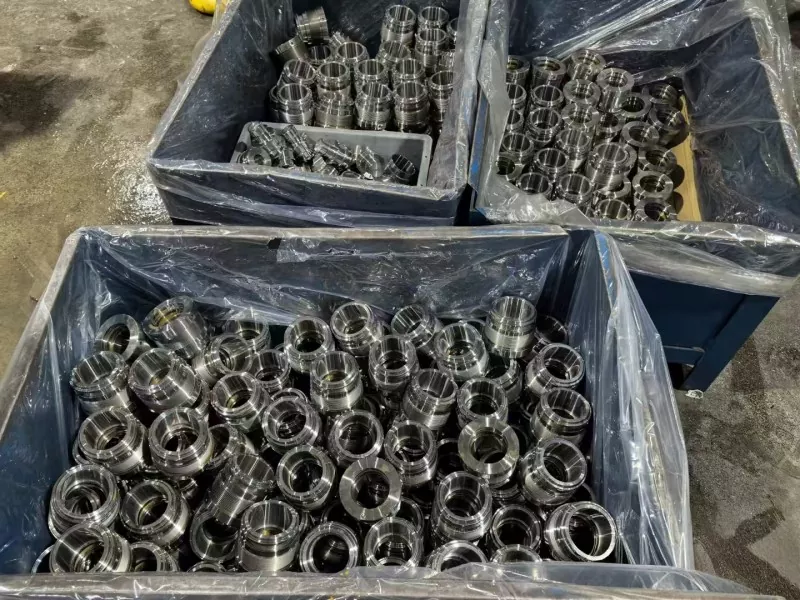
Complex precision machining components are manufactured parts featuring complicated contours, multiple features, close tolerances, or demanding surface and material requirements. Unlike simple turned or milled parts, they often require several machining operations, advanced CNC equipment, specialized tooling, sophisticated programming, and rigorous inspection. The right manufacturing approach can reduce assembly problems, improve equipment reliability, extend component service life, and maintain consistent production quality. For buyers, understanding material selection, tolerances, machining capabilities, quality control, communication, and production scalability is critical to avoiding costly errors.

Table of Contents

  1. What Are Complex Precision Machining Components?
  2. Why Are They Important for Modern Equipment?
  3. Where Are These Components Commonly Used?
  4. How Are Complex Precision Machining Components Manufactured?
  5. Which Materials Can Be Machined?
  6. What Manufacturing Challenges Should Buyers Expect?
  7. How Does Quality Control Improve Component Reliability?
  8. How Can Buyers Evaluate a Machining Supplier?
  9. What Factors Affect Machining Cost?
  10. Frequently Asked Questions
  11. Conclusion

What Are Complex Precision Machining Components?

Complex precision machining components are engineered parts produced to demanding dimensional, geometric, and functional requirements. A component may be considered complex because of its three-dimensional geometry, deep cavities, thin walls, intersecting holes, unusual contours, miniature features, tight tolerances, or combination of several machining processes.

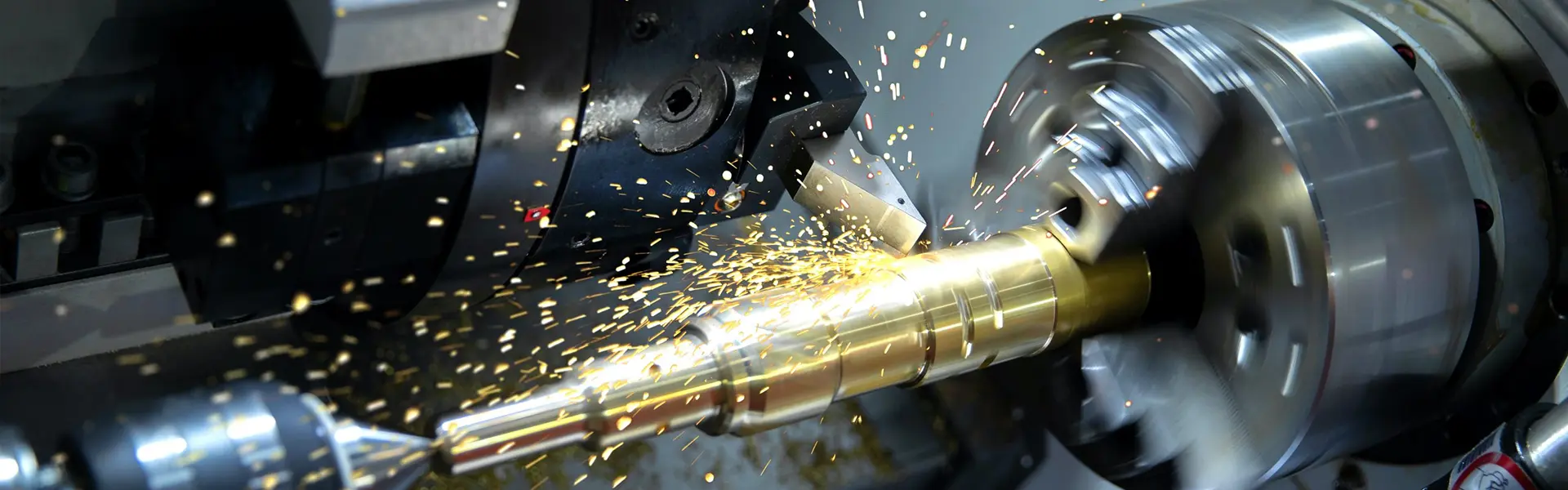
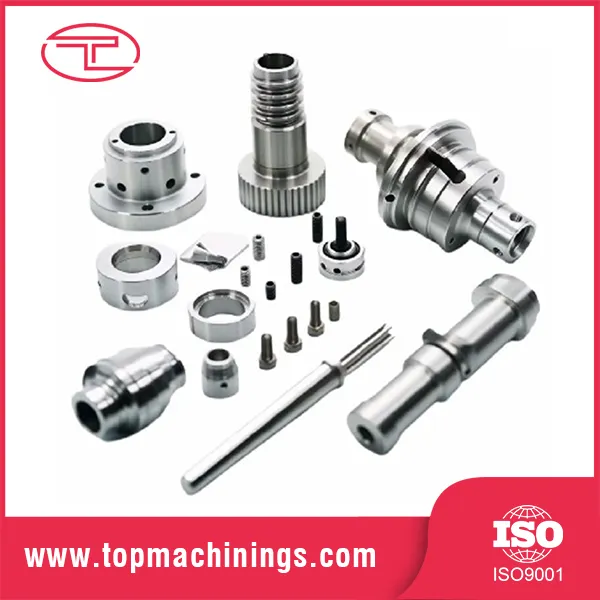
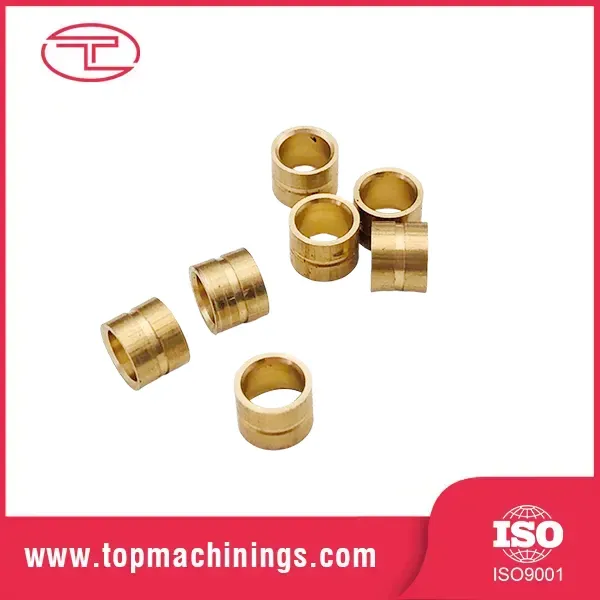
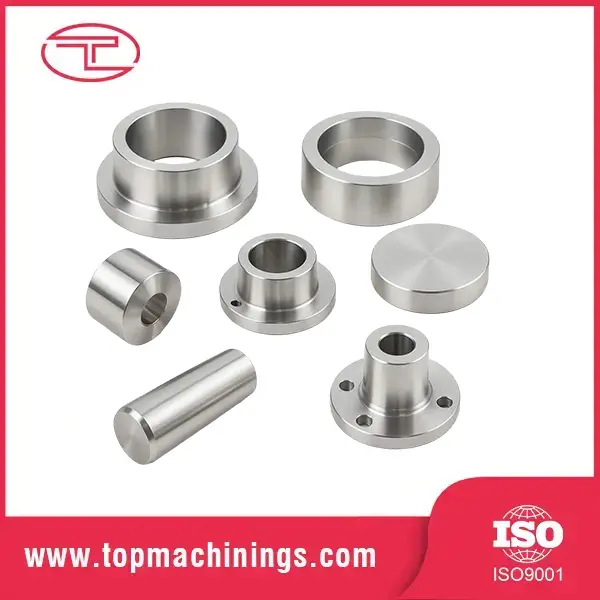
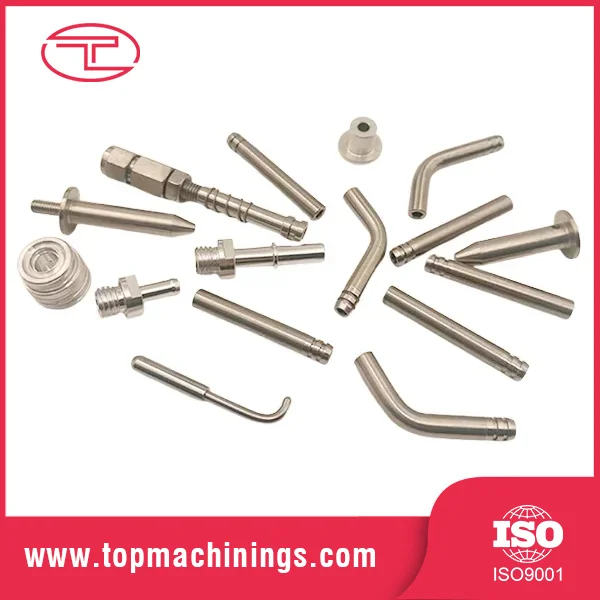
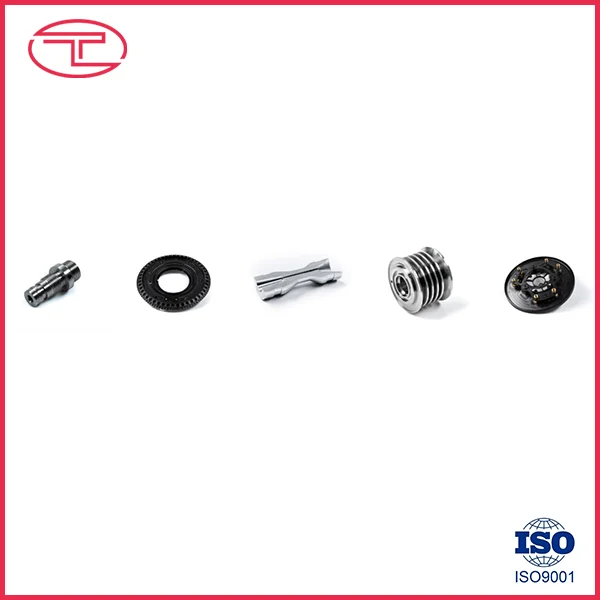
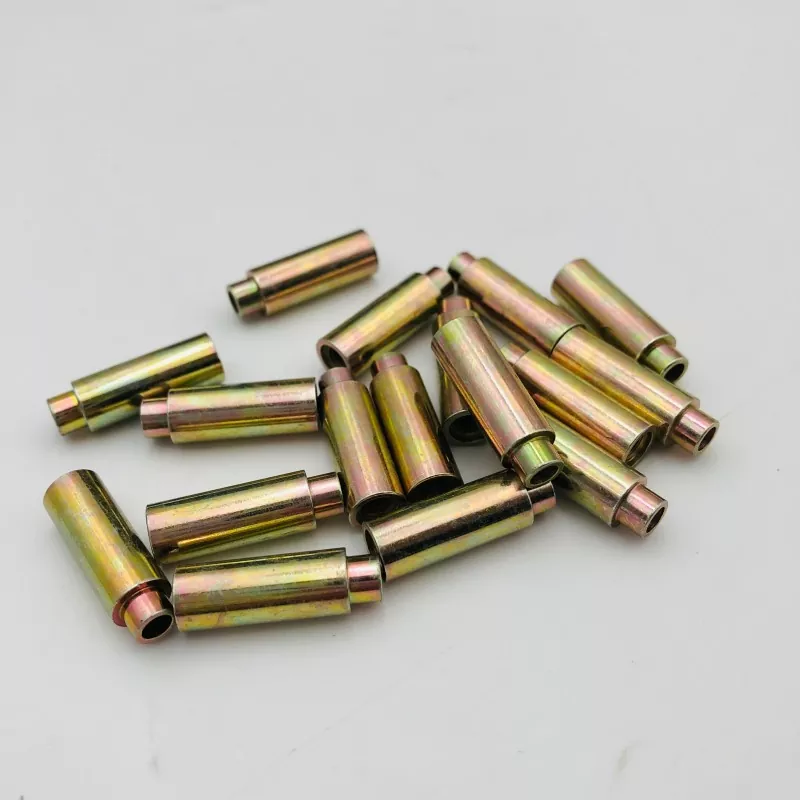
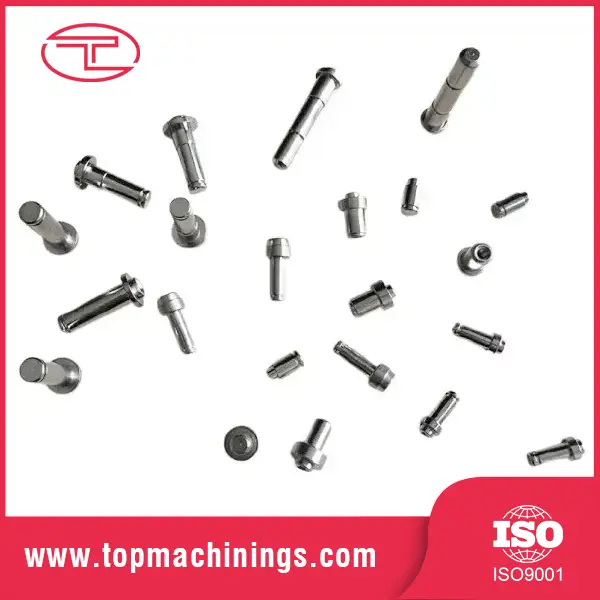
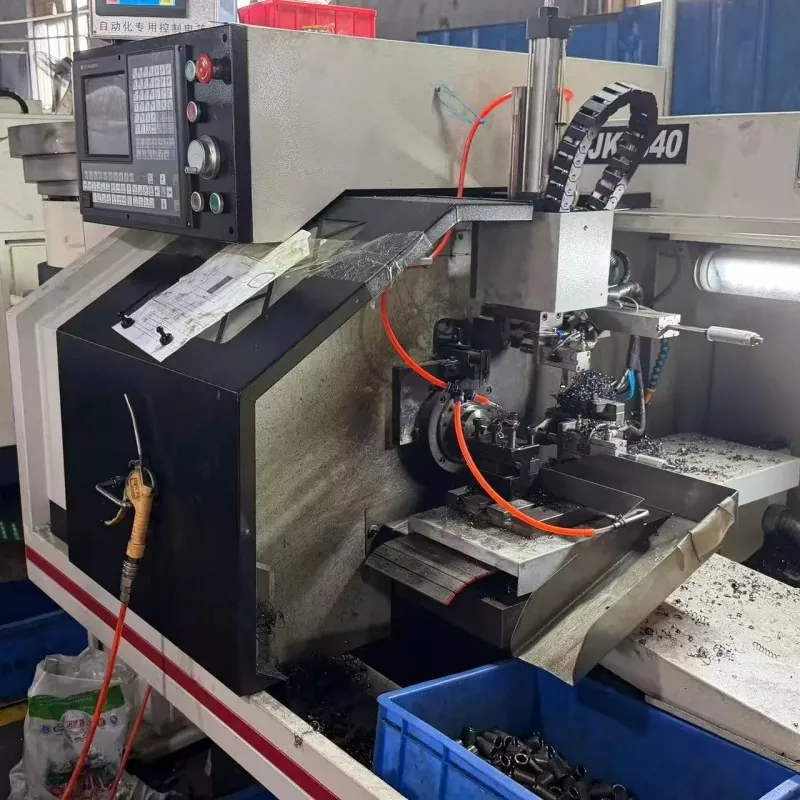
Typical examples include precision housings, shafts, manifolds, brackets, connectors, tooling parts, fixtures, valve bodies, gears, medical components, and customized mechanical assemblies. Many of these parts are produced using CNC milling, CNC turning, Swiss-type machining, multi-axis machining, grinding, drilling, tapping, and other secondary processes.

The goal is not simply to remove material from a workpiece. The objective is to create a finished component that performs consistently within the specifications defined by an engineering drawing or 3D model.


Why Are They Important for Modern Equipment?

A precision component can influence the accuracy, stability, safety, and operating life of an entire machine. Even a small dimensional deviation can create excessive clearance, interference, vibration, leakage, uneven loading, or premature wear when the part is installed in a high-performance assembly.

Requirement Potential Benefit Customer Impact
Tight dimensional control Improved fit and interchangeability Fewer assembly problems
Consistent surface finish Lower friction and wear Longer service life
Repeatable production Stable part-to-part quality Lower rejection rates
Complex geometries Greater design flexibility More compact and functional equipment

Where Are These Components Commonly Used?

Complex precision machining is suitable for industries where mechanical performance depends on accurate and repeatable parts. Common application areas include:

  • Industrial automation: robot components, precision fixtures, grippers, mounting systems, and motion assemblies.
  • Aerospace: lightweight structural components, brackets, housings, and specialized mechanical parts.
  • Medical equipment: precision housings, instruments, fittings, and components requiring controlled dimensions.
  • Automotive: engine-related components, transmission parts, prototypes, tooling, and specialized fixtures.
  • Energy equipment: valve components, connectors, housings, and components exposed to demanding operating environments.
  • Electronics and semiconductor equipment: precision frames, mounts, heat-management components, and custom mechanical parts.
  • Industrial machinery: shafts, rollers, gears, brackets, plates, housings, and replacement components.

How Are Complex Precision Machining Components Manufactured?

Successful production normally begins long before the cutting tool touches the material. A controlled workflow helps identify manufacturability issues and prevent expensive rework.

  1. Engineering review: Drawings, 3D models, tolerances, material specifications, surface requirements, and critical features are reviewed before production.
  2. Manufacturability planning: Engineers determine suitable machining strategies, workholding methods, tool paths, cutting conditions, and process sequences.
  3. Material preparation: The selected raw material is prepared according to the required dimensions and material grade.
  4. CNC machining: Milling, turning, drilling, boring, threading, pocketing, contouring, and other operations are performed according to the production plan.
  5. Secondary operations: Depending on the application, parts may require grinding, deburring, polishing, heat treatment, coating, anodizing, plating, or other finishing operations.
  6. Inspection: Critical dimensions and functional features are measured using appropriate inspection equipment.
  7. Final preparation: Parts are cleaned, protected, packaged, and prepared for delivery according to customer requirements.
Practical insight: For complicated components, manufacturing quality depends on the complete process rather than machining alone. Design review, workholding, tooling, inspection, and finishing all influence the final result.

Which Materials Can Be Machined?

Material selection should be based on the operating environment rather than machining convenience alone. Factors such as strength, hardness, corrosion resistance, thermal behavior, weight, electrical conductivity, and wear resistance may influence the decision.

Aluminum Alloys

Lightweight and machinable, commonly selected for housings, brackets, frames, and components where weight reduction matters.

Stainless Steel

Useful where corrosion resistance, strength, and durability are important.

Carbon and Alloy Steel

Suitable for applications requiring strength, toughness, or wear resistance.

Brass and Copper

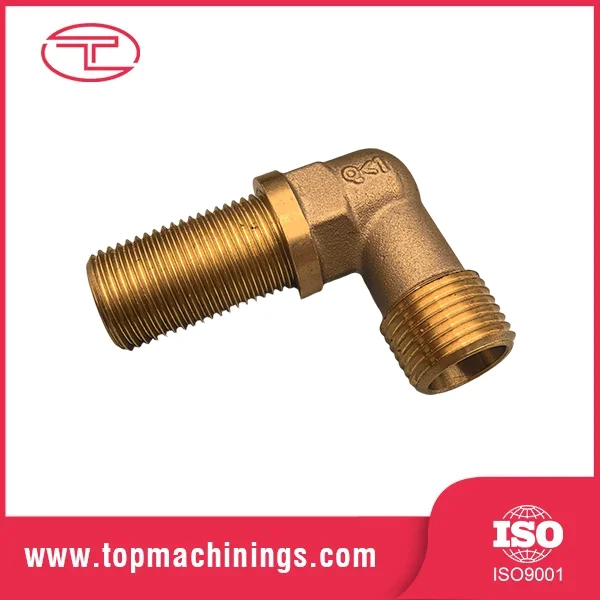
Selected for electrical, thermal, connection, and specialized mechanical applications.

Engineering Plastics

Useful when low weight, insulation, chemical resistance, or low-friction characteristics are required.

Specialty Alloys

More demanding alloys may be selected for high-temperature, high-strength, or corrosive environments.


What Manufacturing Challenges Should Buyers Expect?

Complex parts create more opportunities for manufacturing variation than straightforward components. Understanding the common risks allows buyers to address them before production begins.

  • Tool accessibility: Deep cavities and narrow internal features can make cutting-tool access difficult.
  • Workholding: Thin walls or irregular shapes may require carefully designed fixtures to prevent deformation.
  • Thermal distortion: Heat generated during machining can affect dimensional stability, especially with difficult materials.
  • Tool wear: Worn cutting tools can gradually change dimensions and surface quality during longer production runs.
  • Multiple setups: Repositioning a part between operations can introduce alignment variation if the process is not carefully controlled.
  • Surface requirements: Tight surface-finish specifications may require additional finishing processes.
  • Material behavior: Different alloys and plastics respond differently to cutting speed, feed rate, tooling, and cooling.

These challenges are why buyers should avoid evaluating a supplier solely by quoted price. A low initial quotation can become expensive if poor process planning causes scrap, delays, dimensional inconsistencies, or repeated inspections.


How Does Quality Control Improve Component Reliability?

Quality control is particularly important for complex precision machining components because many dimensions interact with one another. A part can have individual dimensions that appear acceptable while still failing to assemble correctly if geometric relationships are not controlled.

Inspection Area What It Helps Verify
Dimensional inspection Lengths, diameters, depths, thicknesses, and other specified dimensions
Geometric inspection Position, concentricity, flatness, perpendicularity, and related relationships
Surface inspection Surface finish and visible machining defects
Material verification Material grade and required documentation where applicable

For critical parts, customers may also request inspection reports, first-article inspection documentation, material certificates, process records, or other quality documents. The exact documentation should match the component's application and contractual requirements.


How Can Buyers Evaluate a Machining Supplier?

Choosing the right supplier requires more than checking equipment lists. Buyers should assess whether the manufacturer understands the specific engineering requirements of the component and can maintain quality throughout the production cycle.

  • Review experience with similar complex geometries and materials.
  • Confirm available CNC machining and secondary processing capabilities.
  • Ask how critical dimensions and geometric tolerances are inspected.
  • Check whether the supplier can support prototype, low-volume, and repeat production requirements.
  • Discuss drawing interpretation and engineering communication before ordering.
  • Clarify lead times, sampling procedures, packaging, and delivery expectations.
  • Request appropriate quality documentation when the application requires it.
  • Evaluate how the supplier handles nonconforming parts and corrective actions.

Clear communication is especially valuable when a component has many critical features. A capable supplier should be willing to discuss manufacturability concerns before production rather than discovering them after machining has started.


What Factors Affect Machining Cost?

The cost of complex precision machining components depends on the total manufacturing workload rather than simply the amount of raw material used. Buyers should consider the following factors:

  1. Material: Material price and machinability can significantly affect production costs.
  2. Geometry: More complicated shapes usually require more programming, tooling, and machining time.
  3. Tolerance: Tighter tolerances can require slower machining, additional operations, and more inspection.
  4. Surface finish: Premium finishes may require grinding, polishing, coating, or other secondary processes.
  5. Production quantity: Larger production runs can distribute programming and setup costs across more parts.
  6. Inspection: Highly controlled components may require more extensive dimensional verification.
  7. Finishing: Heat treatment, plating, anodizing, coating, or other treatments add to the total cost.
Cost-saving principle: Do not specify extremely tight tolerances or advanced finishes unless they are functionally necessary. A well-engineered drawing distinguishes critical requirements from non-critical features, helping control manufacturing cost without compromising performance.

Frequently Asked Questions

What makes a machining component “complex”?

Complexity may come from intricate three-dimensional geometry, multiple intersecting features, deep cavities, thin walls, difficult materials, tight tolerances, demanding surface finishes, or the need for several machining operations.

Are complex precision components suitable for small production runs?

Yes. CNC machining is widely used for prototypes, samples, replacement parts, customized components, and low-volume production. The most suitable process depends on geometry, material, tolerances, and quantity.

Why is inspection so important for precision-machined parts?

Inspection verifies that the manufactured component conforms to the engineering requirements. This is especially important when multiple dimensions and geometric relationships determine how the part fits into an assembly.

Can one supplier handle machining and finishing?

Some suppliers can coordinate machining with secondary operations such as surface treatment, heat treatment, grinding, or polishing. Confirm the exact capabilities and quality controls before placing an order.

How can customers reduce problems before production?

Provide accurate 2D drawings or 3D models, clearly identify critical dimensions and tolerances, specify material and surface requirements, communicate the application, and discuss manufacturability with the supplier before production begins.

What information should be included in a machining inquiry?

A useful inquiry normally includes the part drawing or 3D model, material, required quantity, tolerance information, surface finish, heat treatment or coating requirements, inspection expectations, and target delivery schedule.


Conclusion

Complex precision machining components provide the dimensional accuracy and mechanical consistency required by modern equipment. Their value goes beyond the individual part: correctly manufactured components can support smoother assembly, stable machine operation, reduced maintenance, improved repeatability, and longer service life.

For customers sourcing these components, the most important considerations are not price alone. Material selection, machining strategy, tolerance control, inspection capability, finishing requirements, production scalability, communication, and supplier reliability should all be evaluated together.

When selecting a manufacturing partner, clearly communicate the application's functional requirements and provide complete technical information. For businesses looking for a reliable source of customized metal components and precision machining solutions, Qingdao Tuoyuan Metal Products Co., Ltd. can be considered as a supplier option for projects requiring carefully manufactured metal parts.


Share your drawings, 3D models, material specifications, quantities, and machining requirements to discuss your project in greater detail.

Contact us to discuss your complex precision machining components and request a project evaluation.


Related News
Leave me a message
X
We use cookies to offer you a better browsing experience, analyze site traffic and personalize content. By using this site, you agree to our use of cookies.Privacy Policy
RejectAccept