News

What Quality Checks Does Tuoyuan Metal Use for Metal Machining?

2026-09-18 0 Leave me a message

A machined part either fits the assembly or it does not, and there is no middle position. In precision machining, that verdict is reached long before the last operation is finished. It is decided when the drawing is read, when the material arrives, when the first article comes off the machine, and when the operator takes a measurement mid-batch.


Why Machining Quality Cannot Be Left to Final Inspection

By the time a batch of components reaches final inspection, the expensive decisions have already been made. The material has been consumed, the machine hours have been spent, and in many cases the finishing operation has been applied. If a diameter is wrong at that point, the batch is scrap with extra handling. The control that actually protects a buyer sits earlier in the process: at the drawing review, at the first article, and at the machine while production is running. Everything after that is confirmation rather than correction.


Inspection


The Inspection Chain We Use on Every Project

1. Drawing and requirement review

Before a machine is set, the drawing is read against the process route. We check which dimensions are functional, which surfaces carry a fit, where the datums sit, and whether the tolerance stack is achievable with the equipment assigned. Where a feature cannot be measured the way it is drawn, or where a tolerance tighter than the process can hold is quoted without a note, we raise it with the buyer before cutting metal. This stage is free; the same conversation after production is not.

2. Incoming material verification

Bar stock arrives with a material certificate, and the certificate is checked against the purchase specification for grade, temper, and condition. Aluminum 6061 and 7075, brass C360 and C260, stainless 303, 304, and 316L, and titanium are the grades we see most often. Where the application is safety related, we confirm hardness on a sample and keep the batch reference so that a finished part can be traced back to the heat or lot it came from.

3. First article inspection

The first article is the most important measurement in the whole order. It is checked against the full drawing, and not just the critical dimensions, and reported with actual measured values rather than a pass or fail mark. Buyers usually approve production on that report. We hold the first article until written approval is received when the buyer asks for it so that responsibility for the specification is clear on both sides.

4. In-process checks

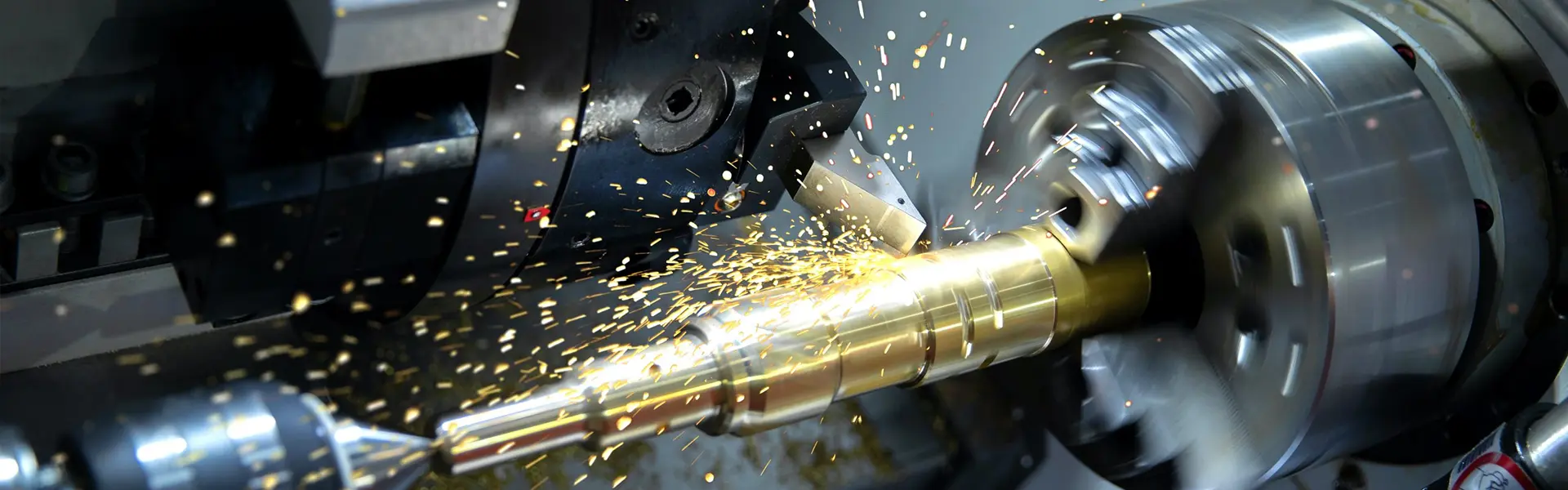
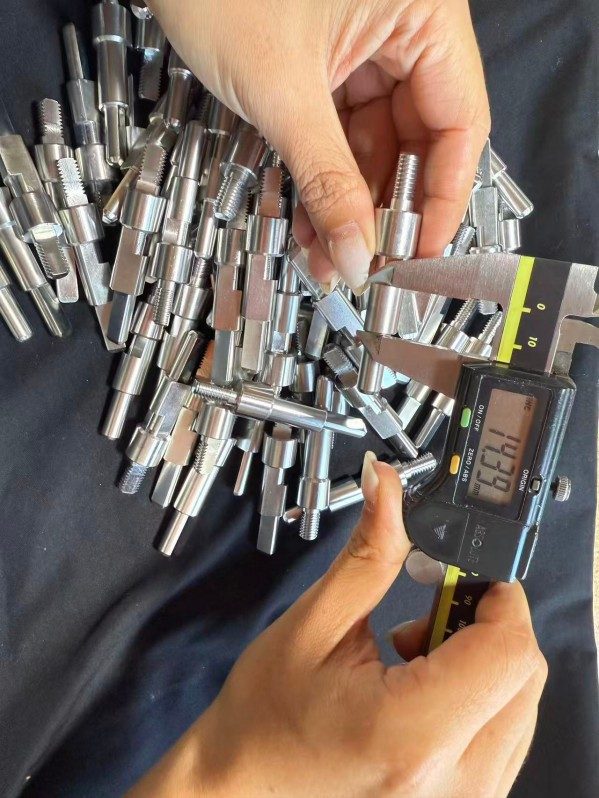
During the run, dimensions are measured at a defined frequency rather than at the operator's discretion. On turned parts, that usually means the diameter and length features at each tool change and at intervals between; on milled parts, the position and depth features that carry the fit. Any drift outside the control band stops the run and triggers an adjustment before more material is committed.

5. Final inspection and documentation

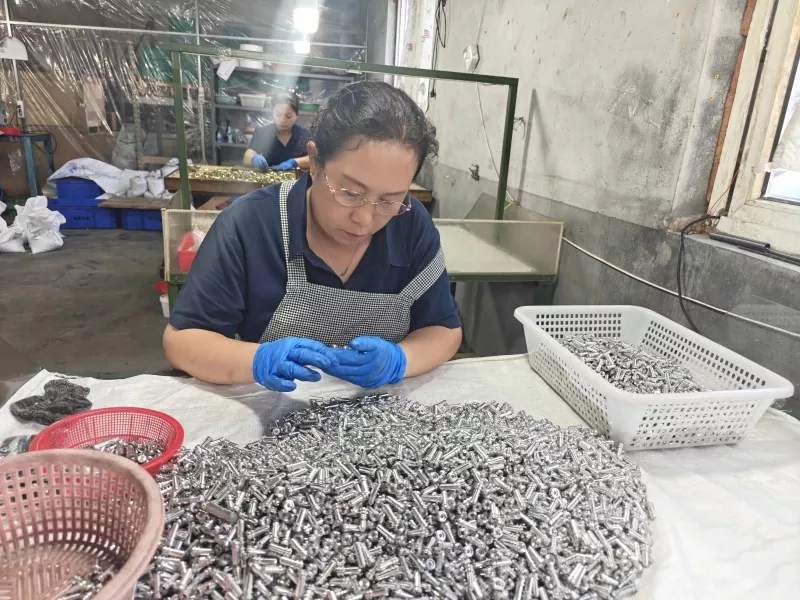
Final inspection is performed against the drawing and the approved first article. The instruments in our inspection area include a coordinate measuring machine, a tool microscope, a multi-joint measuring arm, height gauges, dial indicators, a granite surface plate, and a roughness tester. Dimensional accuracy on our work is normally held at plus or minus 0.01 mm and 0.005 mm, where the drawing calls for it, with surface roughness in the range of Ra 0.4 to 3.2 micrometers depending on the function of the surface.

6. Pre-shipment verification

Before a shipment is packed, the quantity, the finish, the thread condition, and the marking are checked against the order, and photographs are taken of the packed goods. For international orders this matters more than it does domestically, because a missing detail discovered at the destination costs a full return leg rather than a short trip between two buildings.


Related News
Leave me a message
X
We use cookies to offer you a better browsing experience, analyze site traffic and personalize content. By using this site, you agree to our use of cookies.Privacy Policy
RejectAccept