News

Why Are Stainless Steel Precision Turned Parts Essential for Modern Manufacturing?

2026-05-18 0 Leave me a message

High-performance industries demand components with tight tolerances, corrosion resistance, durability, and consistent repeatability. Stainless Steel Precision Turned Parts have become indispensable across automotive, aerospace, electronics, medical, industrial automation, and energy sectors. This article explains how these components improve product reliability, reduce operational risks, enhance production efficiency, and support long-term cost savings for manufacturers worldwide.

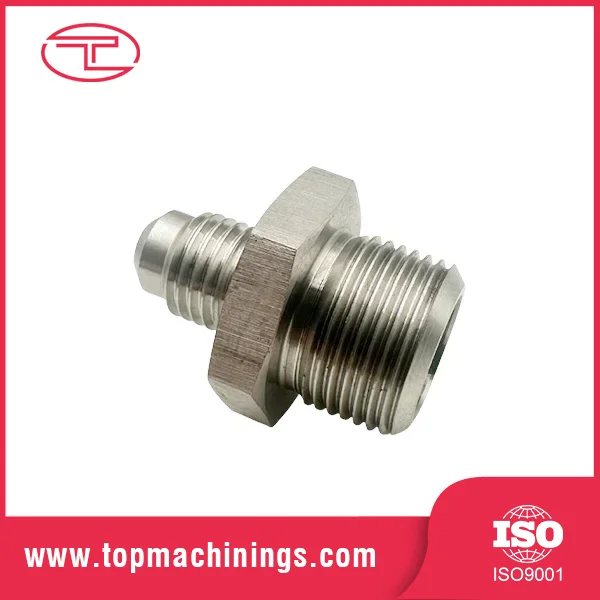
Stainless Steel Precision Turned Parts


Article Summary

Stainless Steel Precision Turned Parts are widely used in critical applications where dimensional accuracy and material strength are essential. Manufacturers rely on precision turning processes to create highly accurate components with smooth finishes and reliable performance characteristics.

In this comprehensive guide, you will learn:

  • What Stainless Steel Precision Turned Parts are
  • How CNC turning technology works
  • Key material grades and their advantages
  • Common industry applications
  • Manufacturing challenges and practical solutions
  • Quality inspection standards
  • How to choose a reliable supplier
  • Future trends in precision machining

Table of Contents


1. What Are Stainless Steel Precision Turned Parts?

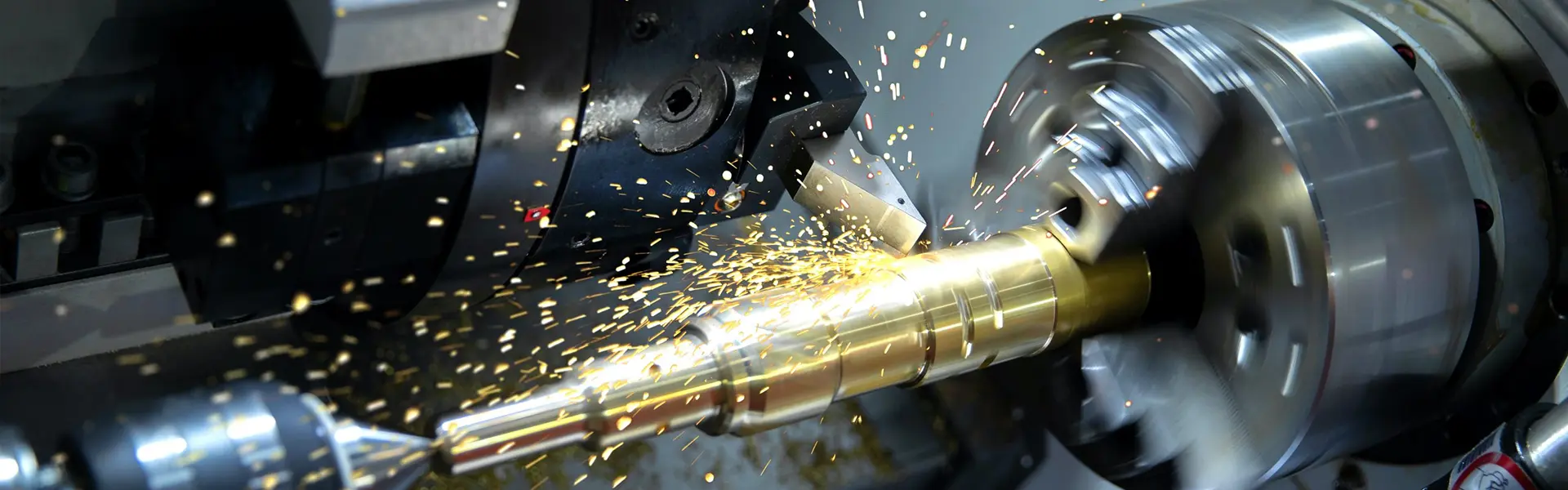
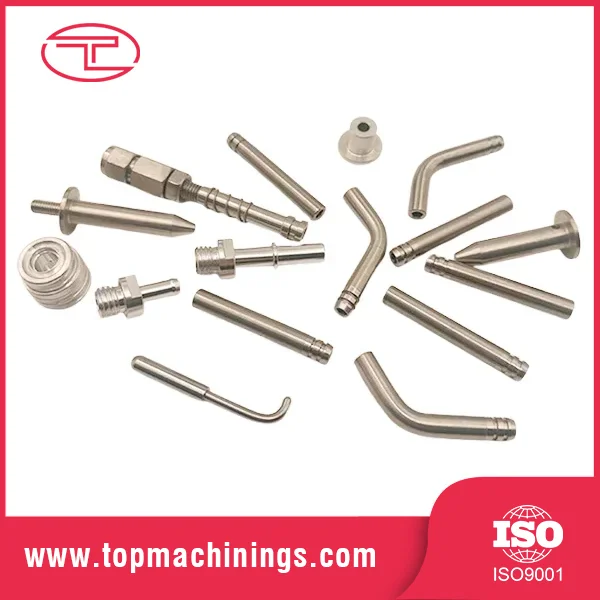
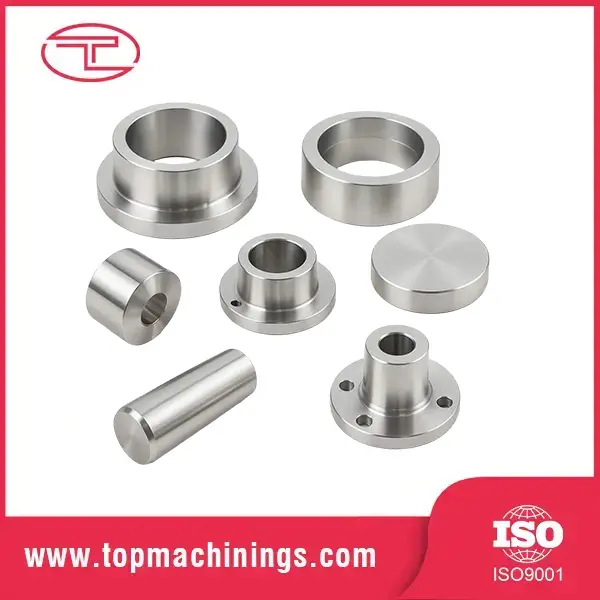
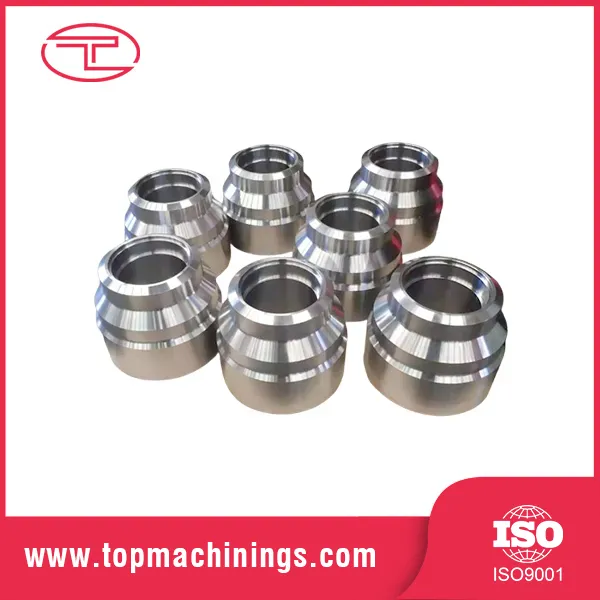
Stainless Steel Precision Turned Parts are machined components produced using advanced CNC turning equipment. These parts are manufactured by rotating stainless steel bars or rods while cutting tools remove material to achieve precise dimensions and complex geometries.

Precision turning is ideal for producing cylindrical or round-shaped components with extremely tight tolerances. Industries requiring reliable and repeatable mechanical performance often depend on precision turned parts for assemblies and equipment.

Feature Description
Material 304, 316, 303, 420 stainless steel and more
Tolerance Often within ±0.005 mm
Production Method CNC turning and Swiss machining
Applications Medical, automotive, aerospace, electronics

2. Why Stainless Steel Is Preferred in Precision Turning

Stainless steel is one of the most trusted engineering materials because of its excellent balance between strength, corrosion resistance, machinability, and appearance.

Manufacturers choose stainless steel precision turned parts for applications exposed to moisture, chemicals, high temperatures, or mechanical stress.

  • Excellent corrosion resistance
  • High tensile strength
  • Long service life
  • Good wear resistance
  • Hygienic surface for medical and food equipment
  • Professional visual appearance

Compared with ordinary steel or aluminum, stainless steel maintains structural integrity in harsh environments, making it highly suitable for mission-critical systems.


3. How CNC Precision Turning Works

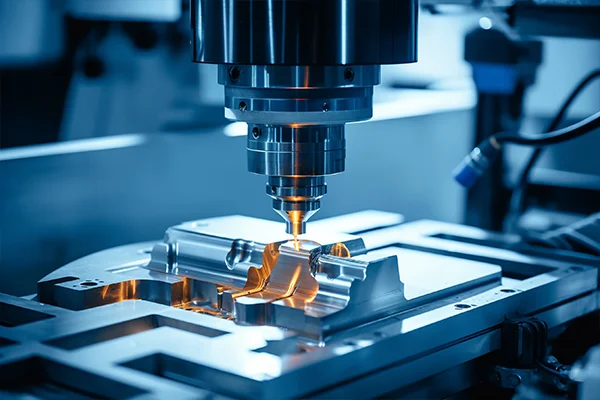
CNC precision turning uses computer-controlled lathes to remove material from rotating stainless steel stock. The process ensures high consistency and minimal human error.

The manufacturing workflow generally includes:

  1. CAD drawing creation
  2. CAM programming
  3. Material preparation
  4. CNC turning operation
  5. Secondary machining
  6. Surface treatment
  7. Inspection and packaging

Modern CNC turning centers can perform multiple operations simultaneously, including drilling, threading, milling, boring, and grooving.

Key Benefit: Automated CNC turning dramatically improves repeatability and production efficiency while reducing waste and labor costs.

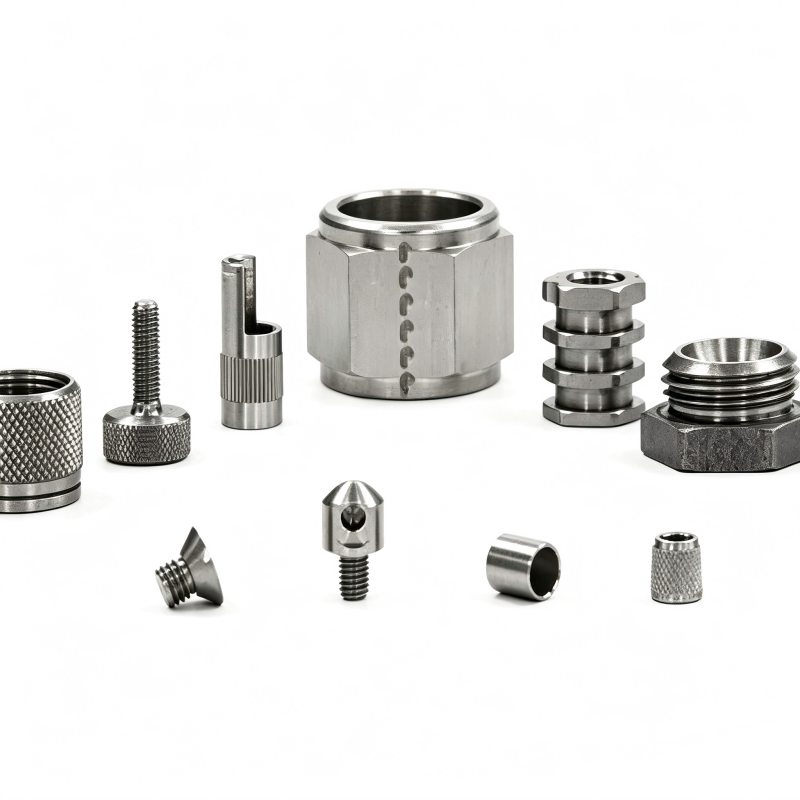
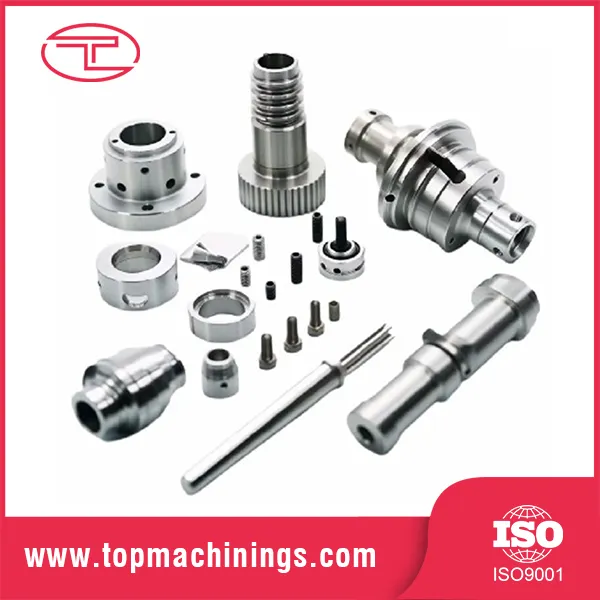
4. Common Types of Precision Turned Components

Precision turning technology can manufacture a wide range of customized components.

Component Type Typical Use
Shafts Rotational systems and motors
Bushings Mechanical support and friction reduction
Connectors Electrical and fluid systems
Pins Assembly positioning
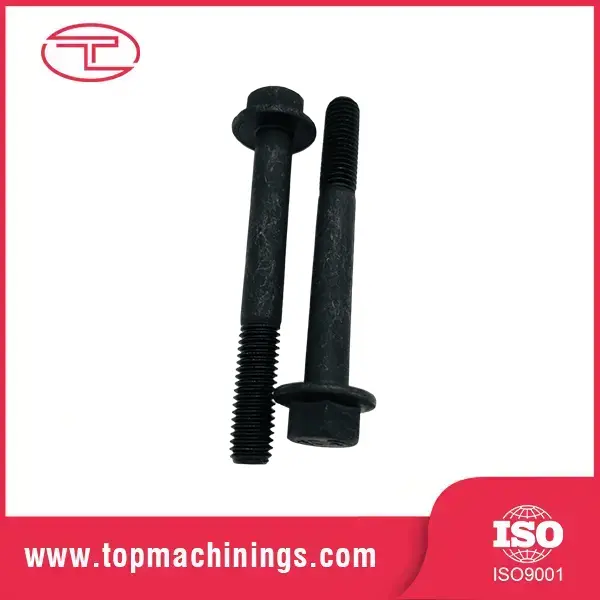
Fasteners Industrial joining systems
Medical Components Surgical tools and implants

5. Major Industrial Applications

The demand for Stainless Steel Precision Turned Parts continues growing across numerous sectors.

Automotive Industry

Used in fuel systems, sensors, transmission systems, brake assemblies, and engine components.

Medical Equipment

Critical for surgical tools, implants, dental equipment, and diagnostic instruments.

Electronics

Widely used in connectors, precision terminals, housings, and micro-components.

Aerospace

Supports high-strength, lightweight, and corrosion-resistant assemblies.


6. Key Advantages of Stainless Steel Precision Turned Parts

Businesses choose precision turned stainless steel components because they improve both product quality and operational reliability.

  • Dimensional Accuracy: Maintains tight tolerances for reliable assembly.
  • Corrosion Protection: Performs well in humid and chemical environments.
  • Cost Efficiency: Reduces maintenance and replacement frequency.
  • Consistency: CNC automation ensures identical parts.
  • Mechanical Strength: Suitable for demanding industrial conditions.
  • Scalability: Supports both prototyping and mass production.

These advantages directly address common customer pain points such as premature failure, inconsistent quality, downtime, and high maintenance costs.


7. Material Grades and Their Differences

Selecting the correct stainless steel grade is crucial for achieving desired performance characteristics.

Grade Main Features Typical Application
304 Excellent corrosion resistance General industrial use
316 Superior chemical resistance Marine and medical industries
303 Excellent machinability High-volume precision parts
420 High hardness Cutting tools and wear parts

8. Surface Finishing Options

Surface finishing significantly affects appearance, corrosion resistance, and functionality.

Common finishing options include:

  • Polishing
  • Passivation
  • Electropolishing
  • Sandblasting
  • Anodizing (for hybrid assemblies)
  • Laser marking

For medical and food-grade applications, electropolishing helps create ultra-clean and smooth surfaces that reduce contamination risks.


9. Manufacturing Challenges and Solutions

Although stainless steel offers many benefits, machining it precisely presents several challenges.

Challenge Solution
Tool Wear Use carbide cutting tools and optimized feeds
Heat Generation Apply advanced cooling systems
Dimensional Variations Implement automated inspection systems
Surface Defects Improve tooling and polishing processes

Experienced manufacturers continuously optimize machining parameters to maintain stable production quality.


10. Quality Control and Inspection Methods

Precision turned parts require strict inspection standards to ensure compliance with customer specifications.

Common inspection equipment includes:

  • Coordinate Measuring Machines (CMM)
  • Optical measuring systems
  • Micrometers and calipers
  • Surface roughness testers
  • Hardness testers

Reliable quality control minimizes assembly issues, warranty claims, and production interruptions for customers.

Important: Even minor dimensional errors can lead to major operational failures in aerospace, medical, and automotive applications.

11. How to Choose the Right Supplier

Selecting the right manufacturing partner is one of the most important business decisions.

Before choosing a supplier, customers should evaluate:

  • Manufacturing experience
  • Machining capabilities
  • Quality management systems
  • Lead times
  • Engineering support
  • Customization flexibility
  • Communication efficiency
  • Material traceability

Qingdao Tuoyuan Metal Products Co., Ltd. focuses on delivering high-quality precision machined components tailored to customer specifications. With advanced CNC machining equipment and experienced engineering support, the company helps clients achieve stable product performance and reliable supply chain efficiency.


12. Future Trends in Precision Machining

The precision machining industry continues evolving rapidly due to technological advancements and increasing demand for higher-quality components.

Future trends include:

  • AI-assisted machining optimization
  • Smart factory integration
  • Automated robotic handling systems
  • Real-time process monitoring
  • Ultra-precision micro machining
  • Sustainable manufacturing practices

Manufacturers investing in advanced automation and digital technologies are expected to achieve higher productivity and lower defect rates.


13. Frequently Asked Questions

What industries use Stainless Steel Precision Turned Parts the most?

Automotive, aerospace, medical, electronics, robotics, marine, and industrial automation industries heavily rely on precision turned stainless steel components.

Why is CNC turning better than manual machining?

CNC turning provides superior precision, repeatability, production speed, and consistency while reducing human error.

Which stainless steel grade is best for corrosion resistance?

316 stainless steel is widely recognized for excellent corrosion resistance, especially in marine and chemical environments.

Can precision turned parts be customized?

Yes. Manufacturers can customize dimensions, tolerances, materials, finishes, and designs according to specific application requirements.

How important are tolerances in precision machining?

Tolerances are critical because even tiny deviations can affect assembly performance, safety, and operational reliability.


14. Conclusion

Stainless Steel Precision Turned Parts play a crucial role in modern manufacturing by providing high strength, excellent dimensional accuracy, corrosion resistance, and long-term reliability. From medical instruments to aerospace systems, these components help industries maintain consistent product quality and operational safety.

As manufacturing technologies continue advancing, the demand for highly precise stainless steel machined components will only increase. Businesses seeking dependable performance should work with experienced machining suppliers capable of delivering customized solutions, stable quality, and responsive engineering support.


Qingdao Tuoyuan Metal Products Co., Ltd. provides customized CNC machining solutions designed to meet demanding industrial requirements. Whether you need prototypes, small batches, or large-scale production, our team is ready to support your project with precision manufacturing and professional service.

Contact us today to discuss your custom machining requirements and receive a competitive quotation.


Related News
Leave me a message
X
We use cookies to offer you a better browsing experience, analyze site traffic and personalize content. By using this site, you agree to our use of cookies.Privacy Policy
RejectAccept