News

Why Are Aluminum Precision Machining Components Essential for High-Performance Manufacturing?

2026-05-26 0 Leave me a message

Aluminum precision machining components have become a cornerstone of modern industrial manufacturing due to their unique combination of lightweight properties, corrosion resistance, excellent machinability, and high dimensional stability. This article explores how these components solve critical pain points in industries such as aerospace, automotive, robotics, electronics, and medical equipment manufacturing. It also provides a detailed breakdown of material advantages, machining processes, quality control systems, application scenarios, and procurement considerations. Whether you are an engineer, procurement manager, or product designer, this guide will help you understand how to select and apply aluminum precision machined parts effectively for long-term performance and cost efficiency.

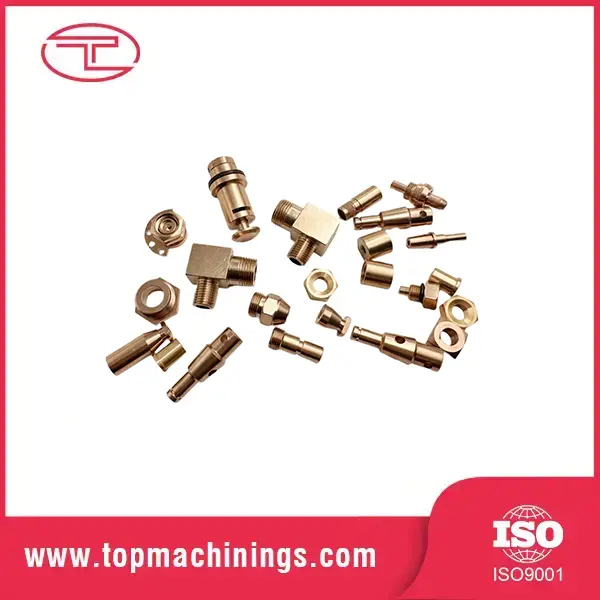
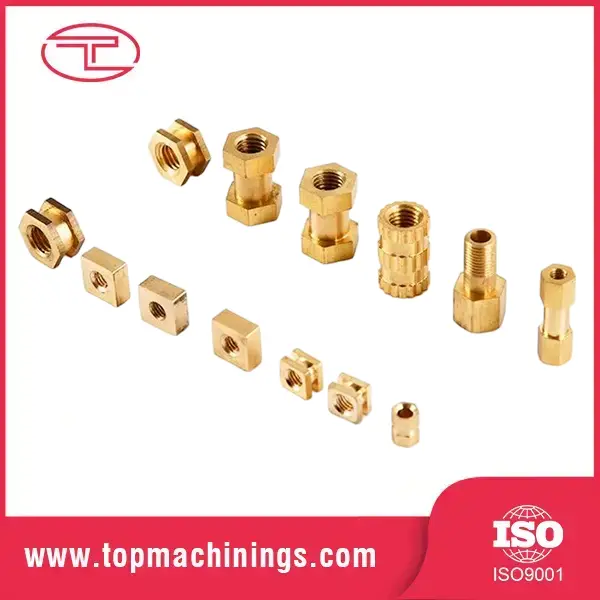
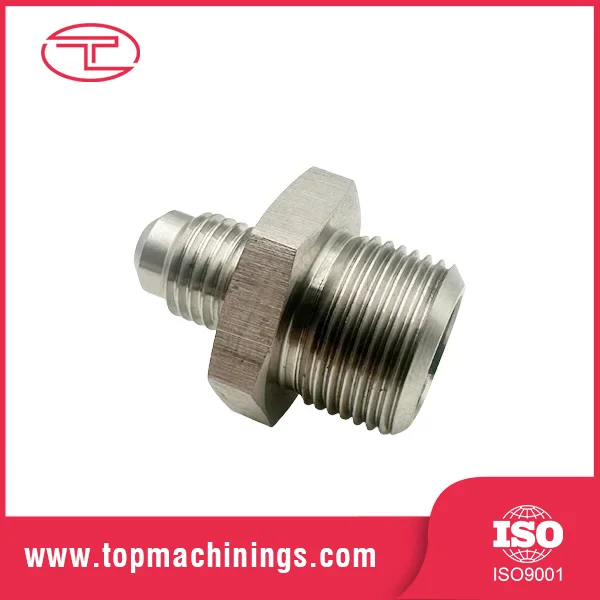
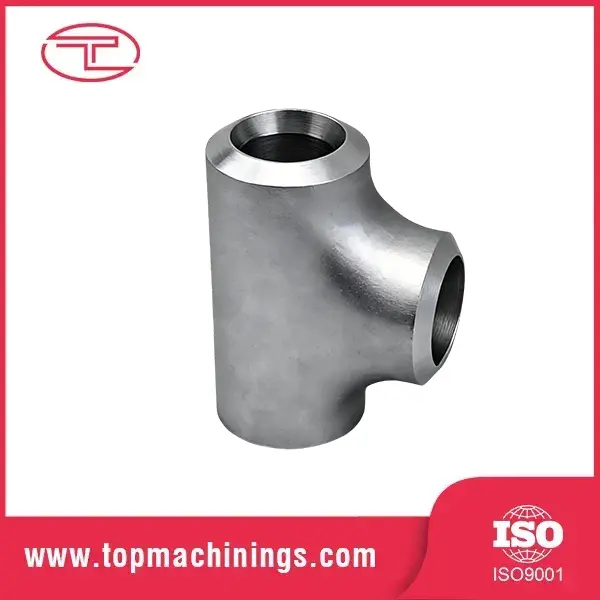
Aluminum precision machining components


Table of Contents


1. Introduction to Aluminum Precision Machining Components

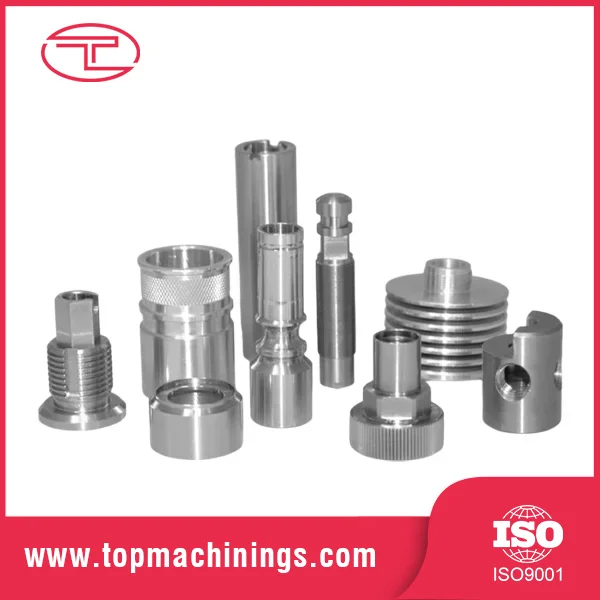
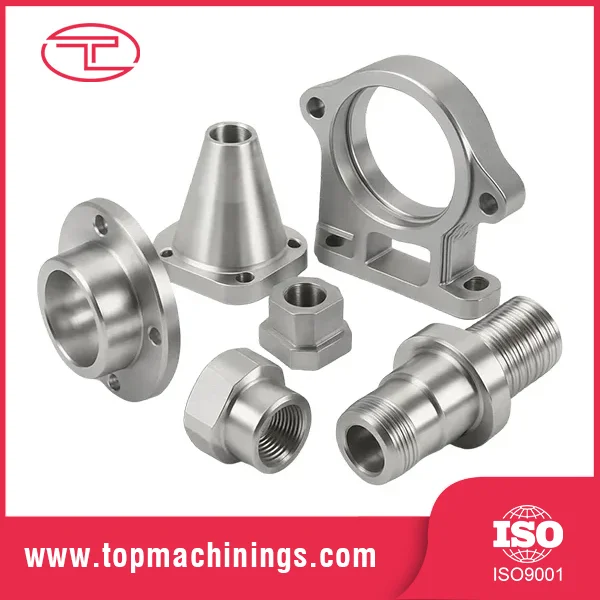
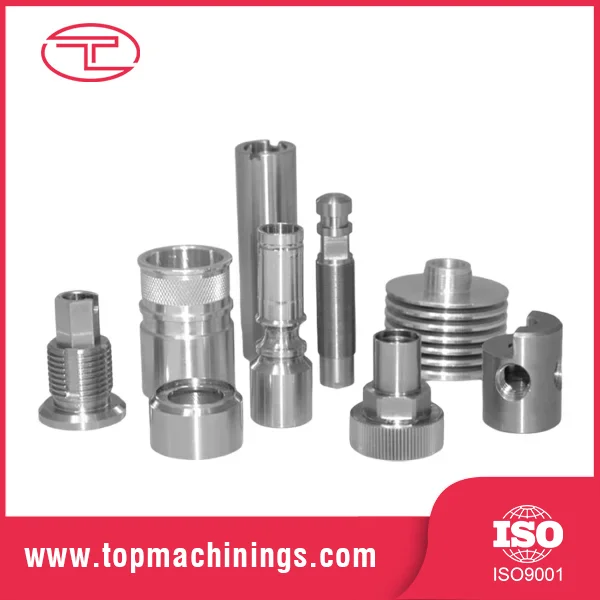
Aluminum precision machining components refer to high-accuracy parts manufactured through CNC machining, milling, turning, drilling, and advanced finishing techniques using aluminum alloys. These components are widely used where tight tolerances, consistent performance, and lightweight structures are required.

In modern manufacturing, the demand for miniaturization, efficiency, and durability has significantly increased. Aluminum machining solutions address these needs by providing a material that is not only easy to shape but also reliable under demanding operational conditions.


2. Why Aluminum Is Ideal for Precision Machining

Aluminum is one of the most widely used engineering materials in precision manufacturing. Its unique physical and chemical properties make it a preferred choice for industries requiring accuracy and performance.

  • Lightweight nature: Reduces overall system weight and improves energy efficiency.
  • High machinability: Allows faster cutting speeds and reduced tool wear.
  • Corrosion resistance: Forms a natural oxide layer protecting against environmental damage.
  • Thermal conductivity: Helps dissipate heat in electronic and mechanical systems.
  • Recyclability: Supports sustainable manufacturing practices.

These advantages make aluminum an optimal material for industries seeking performance without excessive production costs.


3. Manufacturing and CNC Machining Process Overview

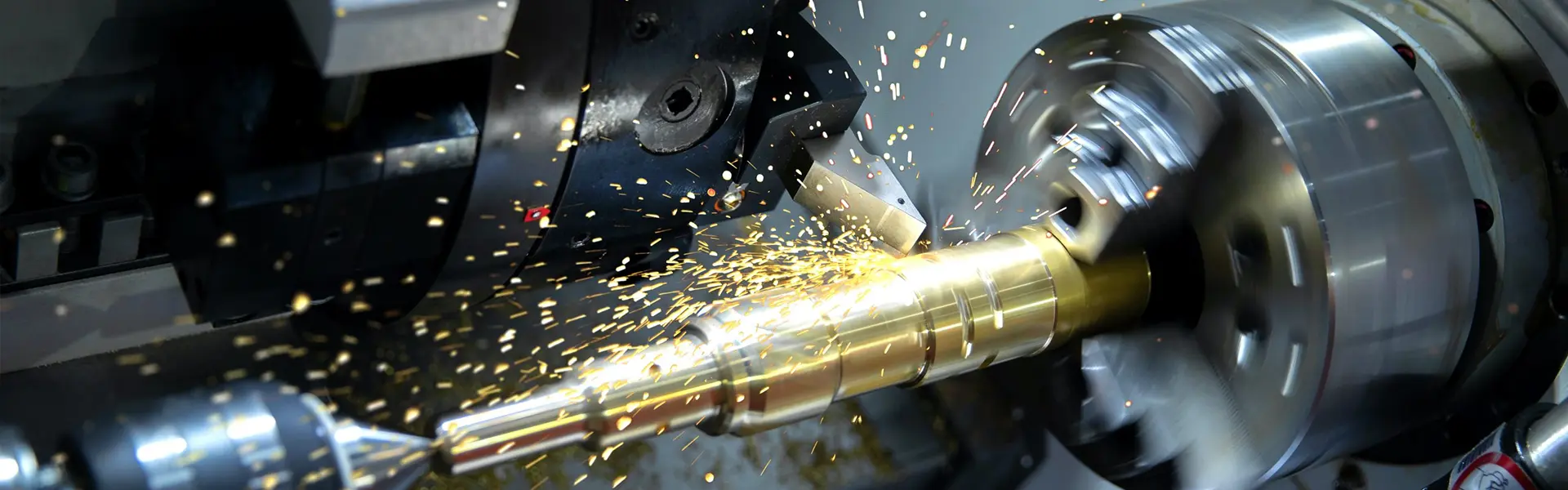
The production of aluminum precision machining components typically involves Computer Numerical Control (CNC) systems, ensuring accuracy and repeatability across large production batches.

Key manufacturing stages include:

  1. Material selection and alloy preparation
  2. CNC programming and toolpath design
  3. Rough machining for material removal
  4. Precision finishing for tight tolerances
  5. Surface treatment (anodizing, polishing, coating)
  6. Final inspection and quality validation

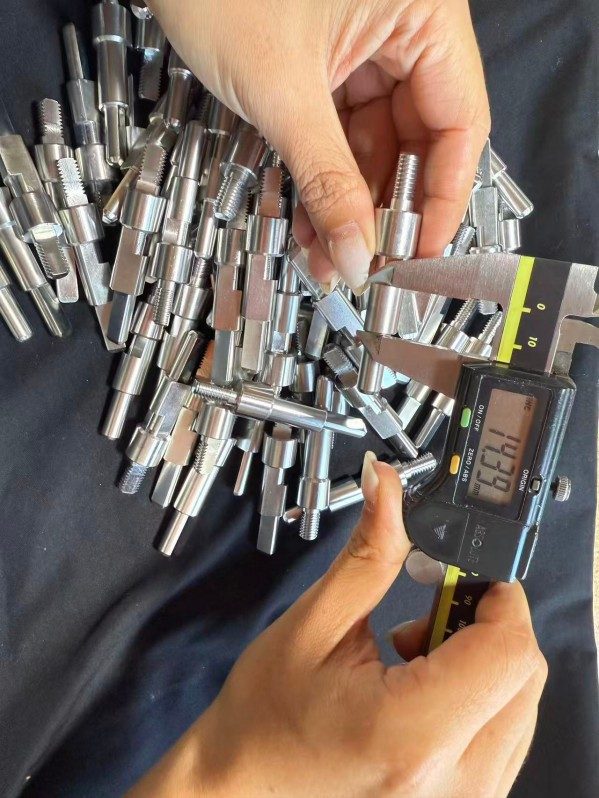
Advanced CNC machining centers can achieve tolerances as tight as ±0.005 mm, ensuring that components meet strict industrial standards.


4. Key Industrial Applications

Aluminum precision machined parts are used across multiple industries due to their versatility and reliability.

  • Aerospace: Structural brackets, housings, engine components
  • Automotive: Transmission parts, engine mounts, sensor housings
  • Electronics: Heat sinks, enclosures, connectors
  • Medical devices: Surgical instruments, diagnostic equipment parts
  • Robotics: Precision joints, frames, actuator components

These applications require a combination of strength, precision, and weight reduction—qualities that aluminum machining delivers effectively.


5. Aluminum vs Other Metals

Material Weight Machinability Corrosion Resistance Cost Efficiency
Aluminum Very Light Excellent High High
Steel Heavy Moderate Moderate Moderate
Titanium Light Difficult Very High Low
Brass Medium Good High Moderate

Aluminum stands out as the most balanced material when considering cost, performance, and manufacturability.


6. Quality Control and Tolerance Standards

Precision machining requires strict quality assurance processes to ensure each component meets exact specifications.

  • Coordinate Measuring Machine (CMM) inspection
  • Surface roughness testing
  • Dimensional verification
  • Hardness and tensile testing
  • Batch traceability systems

High-quality manufacturers implement multi-stage inspection systems to reduce defects and ensure consistent product performance.


7. Design Considerations for Engineers

When designing aluminum precision machining components, engineers must consider several key factors to optimize performance and manufacturability.

  • Wall thickness consistency to avoid deformation
  • Proper allowance for thermal expansion
  • Tool accessibility for machining efficiency
  • Surface finish requirements
  • Stress concentration reduction through rounded corners

Proper design not only improves part performance but also reduces production costs and machining time.


8. Supply Chain and Procurement Insights

The global demand for precision aluminum components has led to a highly competitive supply chain. Buyers must carefully evaluate suppliers based on capability, consistency, and technical support.

Key procurement factors include:

  • Production capacity and lead time
  • Quality certification systems
  • Customization capability
  • Cost transparency
  • After-sales support

Reliable suppliers play a critical role in ensuring uninterrupted production and long-term industrial success.


9. Common Challenges and How to Solve Them

1. Tool wear during machining

Solution: Use optimized cutting speeds and coated carbide tools.

2. Surface imperfections

Solution: Improve coolant systems and adjust feed rates.

3. Dimensional inaccuracies

Solution: Regular calibration of CNC machines and enhanced inspection processes.

4. Material deformation

Solution: Proper fixture design and controlled machining sequences.


10. Frequently Asked Questions

Q1: What makes aluminum suitable for precision machining?
Aluminum offers excellent machinability, lightweight structure, and corrosion resistance, making it ideal for high-precision applications.

Q2: How accurate can CNC aluminum machining be?
Advanced CNC systems can achieve tolerances as tight as ±0.005 mm depending on design complexity.

Q3: Which industries use aluminum precision components the most?
Aerospace, automotive, electronics, robotics, and medical device industries are the largest users.

Q4: Is aluminum strong enough for structural parts?
Yes, specific aluminum alloys provide high strength-to-weight ratios suitable for structural applications.

Q5: How can I ensure consistent quality from suppliers?
Choose manufacturers with certified quality systems, advanced inspection tools, and strong production capabilities.


11. Conclusion and Industrial Outlook

Aluminum precision machining components continue to play a vital role in modern engineering due to their balance of performance, efficiency, and cost-effectiveness. As industries move toward lighter, faster, and more efficient systems, the demand for high-quality aluminum machined parts will continue to grow.

Companies that invest in precision manufacturing technologies and strong material engineering capabilities will maintain a competitive advantage in global markets.

One of the trusted suppliers in this field is Qingdao Tuoyuan Metal Products Co., Ltd., known for its commitment to precision engineering and reliable manufacturing solutions tailored to diverse industrial needs.

If you are looking for high-quality aluminum precision machining components with stable performance, strict quality control, and customized solutions, contact us today to discuss your project requirements and receive professional support for your manufacturing needs.

Related News
Leave me a message
X
We use cookies to offer you a better browsing experience, analyze site traffic and personalize content. By using this site, you agree to our use of cookies.Privacy Policy
RejectAccept