Products
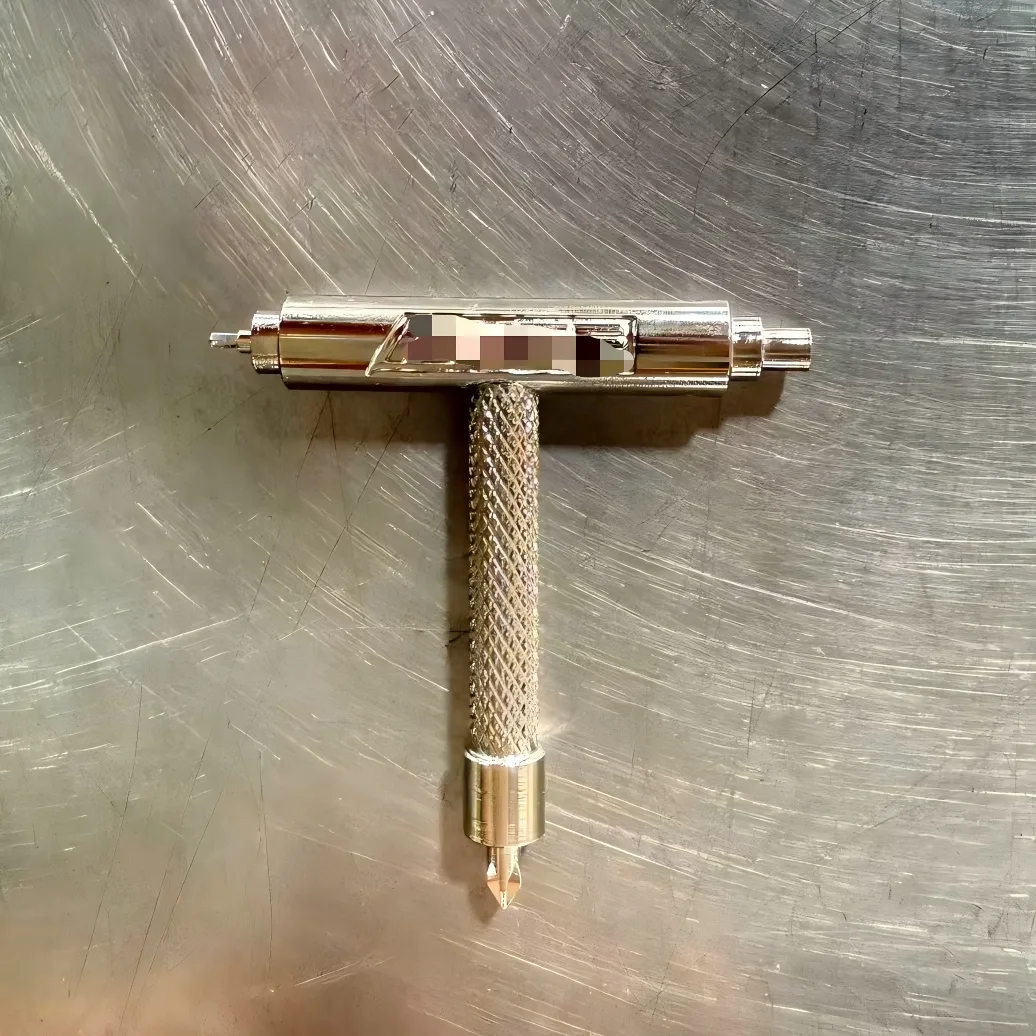
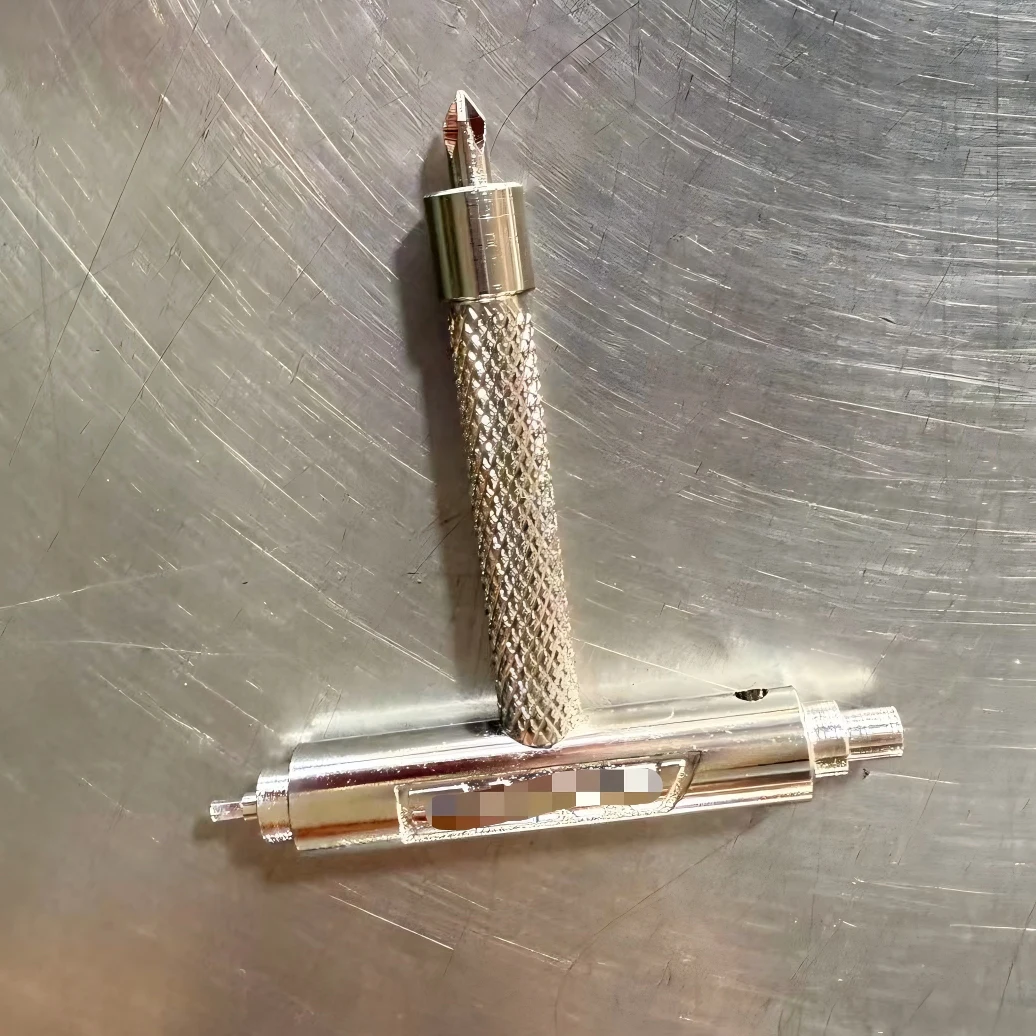
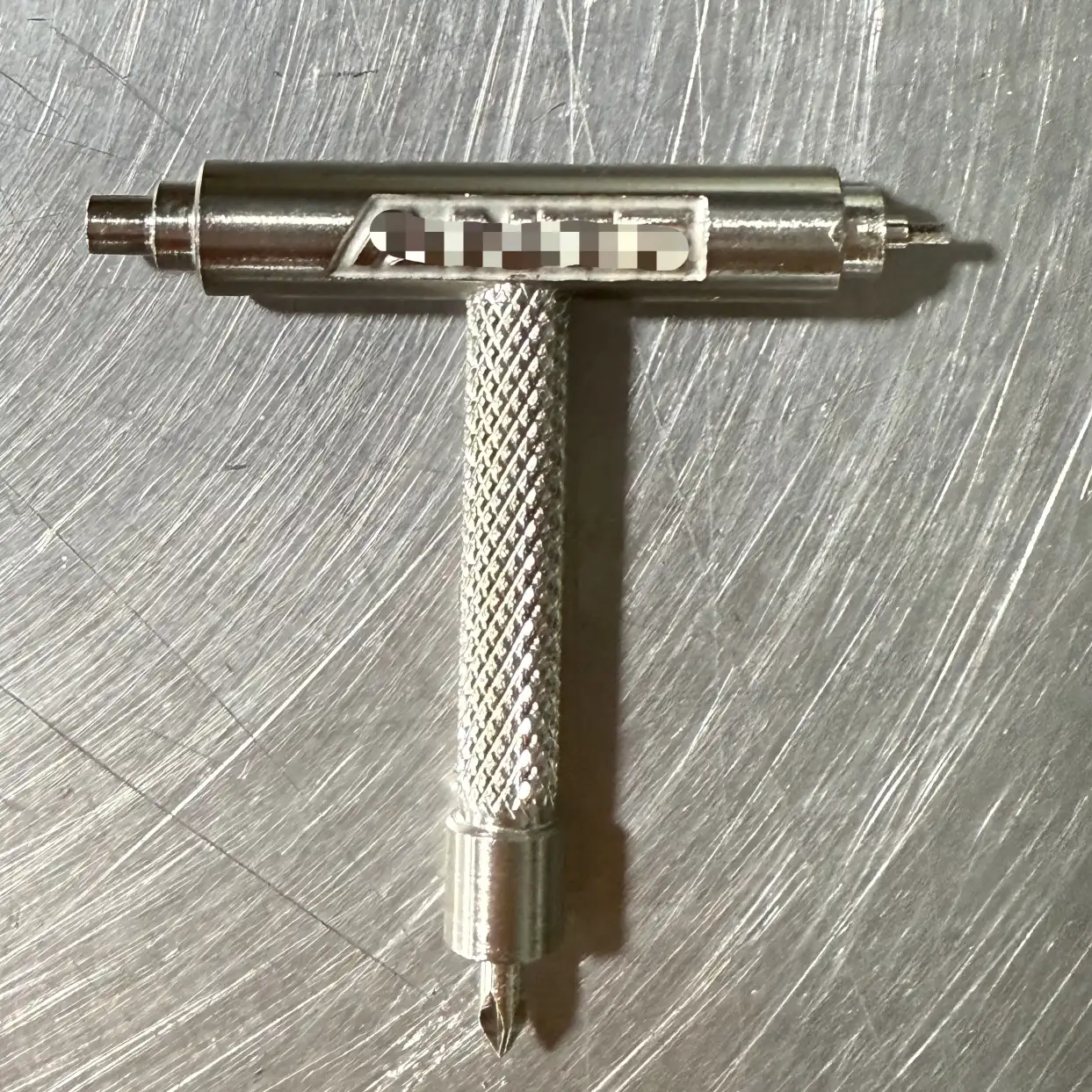
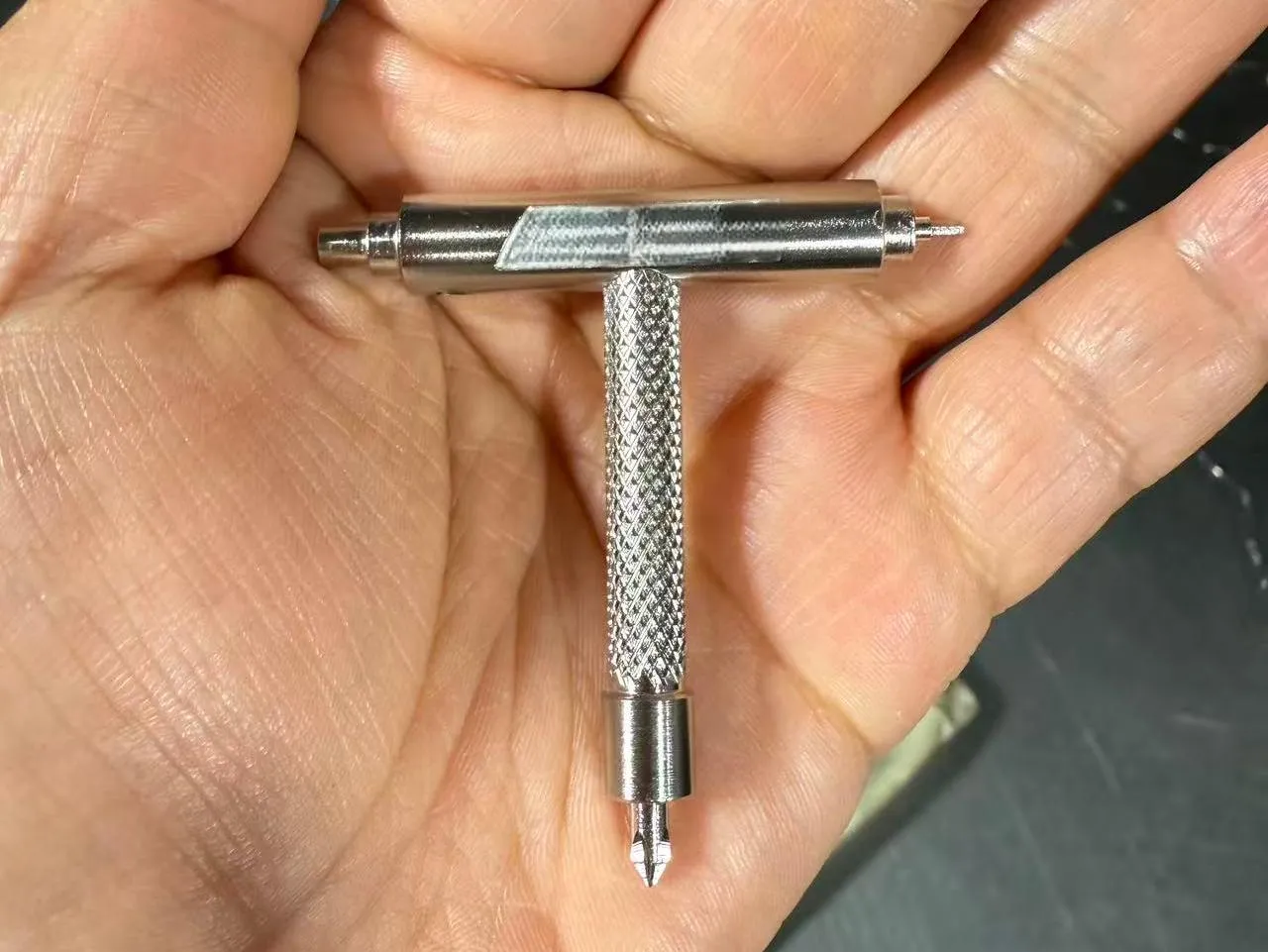
Stainless Steel Knurled T-Handle Tool for Machinery
  • Stainless Steel Knurled T-Handle Tool for MachineryStainless Steel Knurled T-Handle Tool for Machinery
  • Stainless Steel Knurled T-Handle Tool for MachineryStainless Steel Knurled T-Handle Tool for Machinery
  • Stainless Steel Knurled T-Handle Tool for MachineryStainless Steel Knurled T-Handle Tool for Machinery

Stainless Steel Knurled T-Handle Tool for Machinery

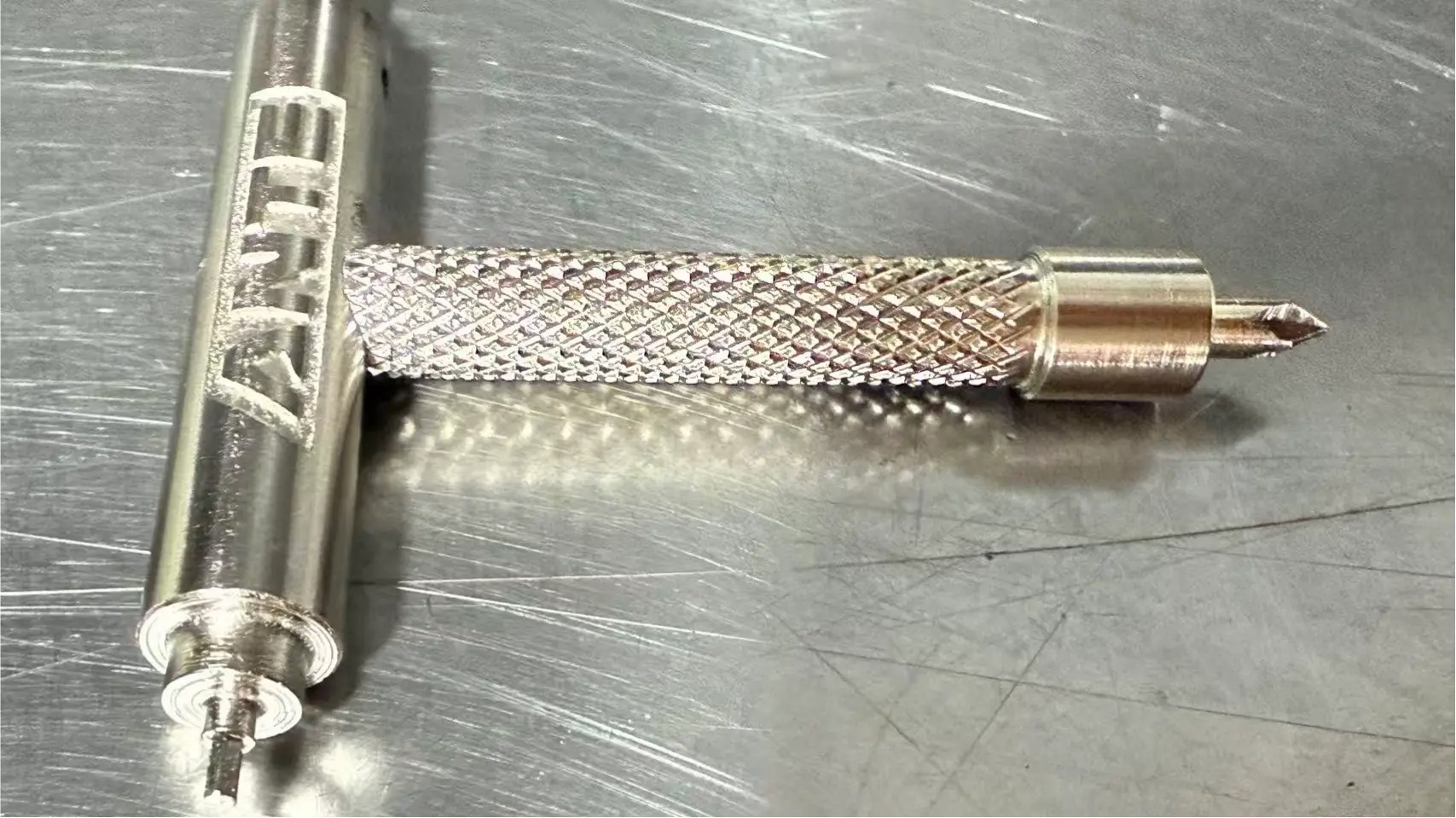
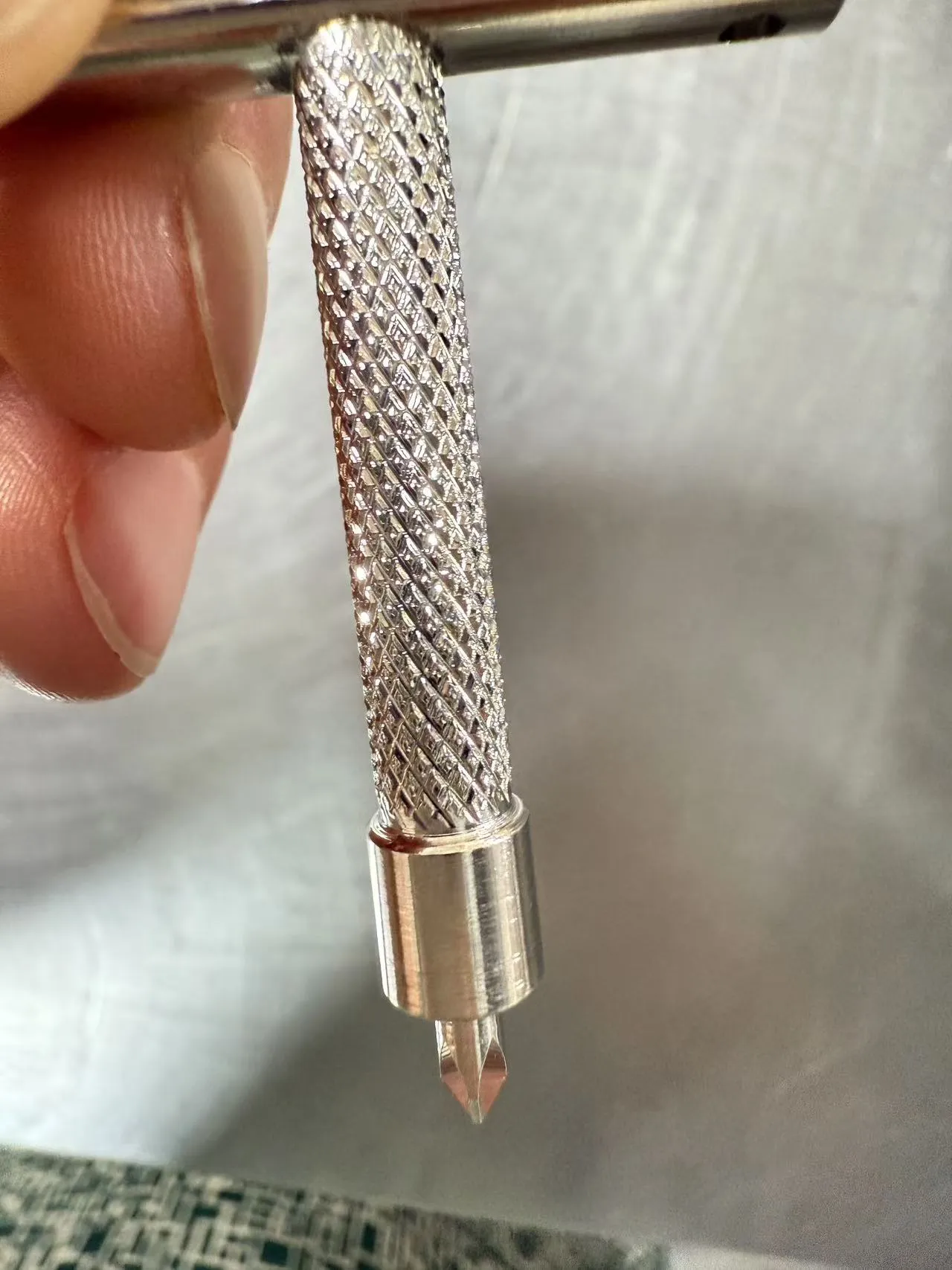
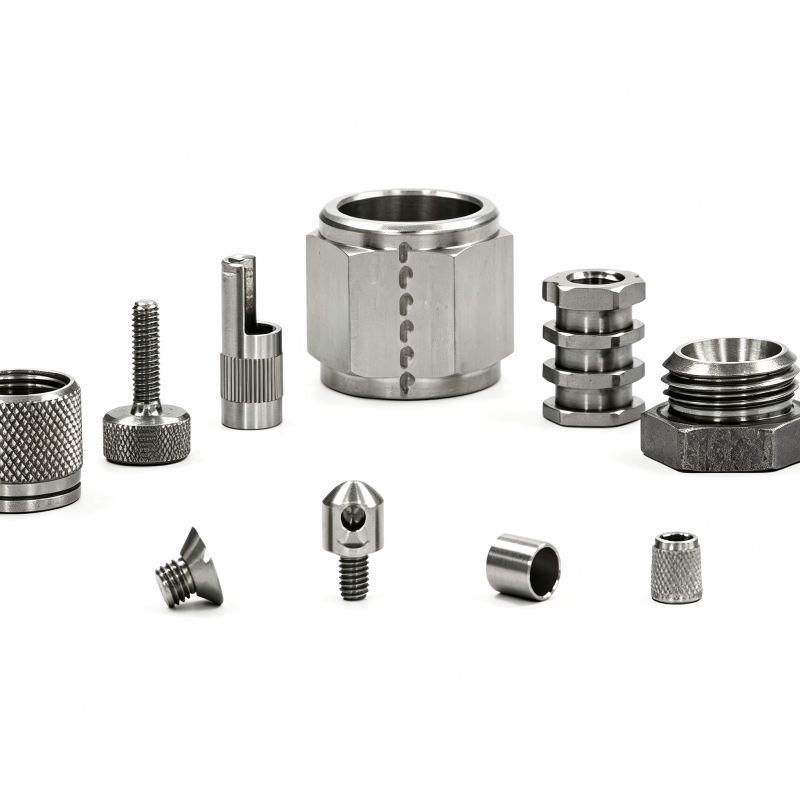
Tuoyuan Metal manufactures the stainless steel knurled T-handle tool for machinery at its China factory in Qingdao. We cut the knurl, thread and shoulder in one turning setup on high-speed CNC lathes, holding shank diameter to ±0.01mm and a straight or diamond pattern to DIN 82. Bulk orders ship with material certificates and a 48-hour quality response. Send a drawing for a quotation.
    Rating: 5.0
    (Rating Count: 1)

    Tuoyuan Metal makes the stainless steel knurled T-handle tool for machinery at its China factory, from raw bar to packed carton in one workshop. The shank is turned and threaded in the same setup that forms the grip, so the seating face stays square to the thread axis. We quote from a drawing rather than a catalogue, sample in 3 to 5 days, and confirm MOQ, price breaks and lead time with the quotation.

    Main Advantages

    · Grip That Holds With Oily Hands

    The pattern is rolled, not cut, so the crest stays hard and the texture keeps working after passivation. An operator with gloves or oil on their fingers can apply the final quarter turn without slipping.


    · One-Piece Strength at the Junction

    Where the drawing allows, the bar and the shank come from one piece of bar stock. The point that carries the torque has no weld, no press fit and no joint to work loose.


    · Threads That Repeat Batch to Batch

    Threads are gauged with go / no-go gauges at fixed intervals during the run, so the thread approved on the sample is the thread that arrives in the box.


    · Built for Washdown and Outdoor Duty

    304 and 316 parts are passivated after machining. The pattern gives liquid a place to drain instead of holding it against the surface.


    · Sampling in 3 to 5 Days

    We machine from your drawing, cut a first article, and send it with measured values before you commit to a production order.


    · Replaceable Without a Design Change

    Because the shank is threaded to your drawing, the part usually drops into an existing machine, fixture or tank fitting.


    · One Drawing Family, Not a Catalogue

    If you run several fixtures or machine types, we consolidate the range into one drawing family with a common knurl pitch and length, so operators stop mixing parts up.

    Technical Data

    Parameter Standard Range
    Name Stainless Steel Knurled T-Handle Tool for Machinery
    Material 303, 304, 316 stainless (per drawing)
    Shank thread M4 - M16 metric; UNC / UNF on request
    Shank diameter 3mm - 25mm
    Grip bar diameter 8mm - 40mm
    Grip length 25mm - 120mm
    Overall length 40mm - 250mm
    Dimensional tolerance ±0.01mm standard; ±0.005mm on selected features
    Knurl pattern Straight, diamond or helical to DIN 82
    Surface finish Ra 0.8 - 1.6 µm as machined; polished on request
    Surface treatment Passivation, polishing, bead blasting, plating
    Inspection Thread gauges, CMM, tool microscope, roughness tester
    Quality system ISO 9001; SGS / TUV inspection on request


    Where These Grips Are Fitted

    Buyers order this pattern for hand-operated tightening and adjustment points across plant and equipment:

    1.Locking levers on machine guards, doors and inspection covers

    2.Adjustment grips on slides, rails and guideways

    3.Hold-down clamps on welding and assembly fixtures

    4.Drain, vent and bleed plugs on tanks, pumps and pipework

    5.Retrofit handles where the original plastic grip has cracked

    6.Indexing and locating handles on tooling plates

    How the Knurl and Thread Are Cut

    Four points decide whether the part works in your assembly. On a stainless steel knurled T-handle tool for machinery the thread is rarely the problem - grip, seat and bar diameter are.


    Pattern type: Straight knurl (DIN 82 RGV) grips hardest in the turning direction. Diamond knurl resists slipping when the operator also pulls. Helical sits between the two, often where the bar has to index against a detent.


    Pitch and depth: We normally run 0.5mm to 1.0mm pitch. Coarser pitch grips harder but needs more forming pressure, which matters on thin bars. On 304 the material work-hardens quickly, so we control pass count and coolant.


    Diameter after knurling: Material is displaced rather than removed, so the outside diameter grows. We size the blank before the roll so the finished crest lands on the drawing figure, and we inspect crest diameter.


    Shoulder and seat: The underside of the bar is the seating face. Holding it square to the thread axis within 0.05mm stops the handle wobbling when it is tightened.


    Grip length: Two to three times the bar diameter suits hand tightening. A longer bar turns with less effort but bends under load, so tell us the target torque and we will check the section.

    Steel Grades and Surface Options

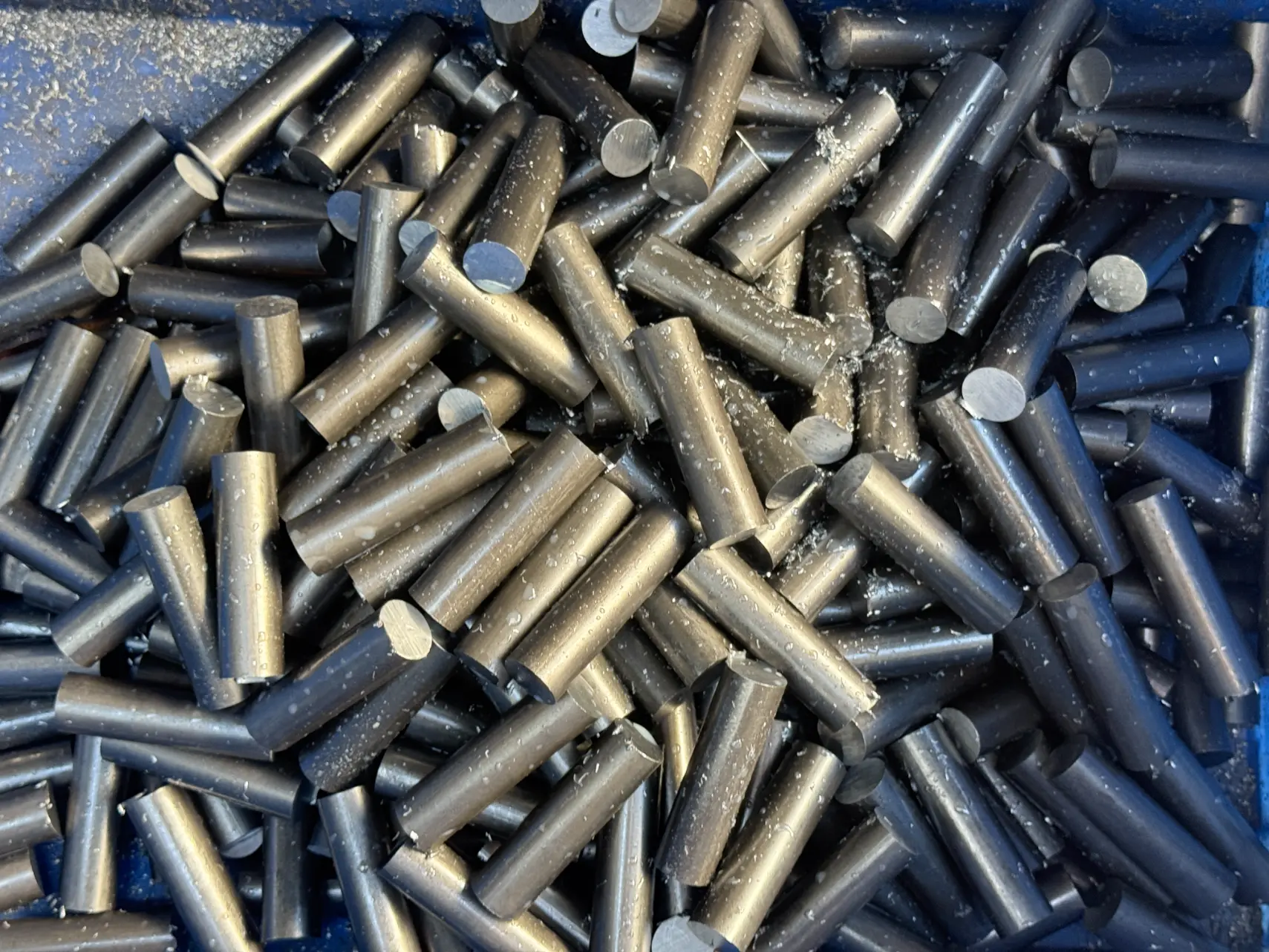
    Grade follows the duty, not the price list. We keep the grades used most often as bar stock, so a first sample does not wait on a mill delivery.

    Grade Why It Is Chosen Typical Duty
    303 (1.4305) Free-machining; sulphur aids swarf breaking and knurl forming High-volume grips, small clamps, indexing handles
    304 (1.4301) General corrosion resistance; easy to clean Machine frames, food-adjacent equipment, lab fixtures
    316 / 316L (1.4404) Molybdenum resists chlorides and washdown chemicals Marine hardware, chemical plant, dairy and pharma
    4140 alloy steel Hardened strength where the shank carries load Heavy clamps and press fixtures (plated)


    Inside the Shop That Makes Them

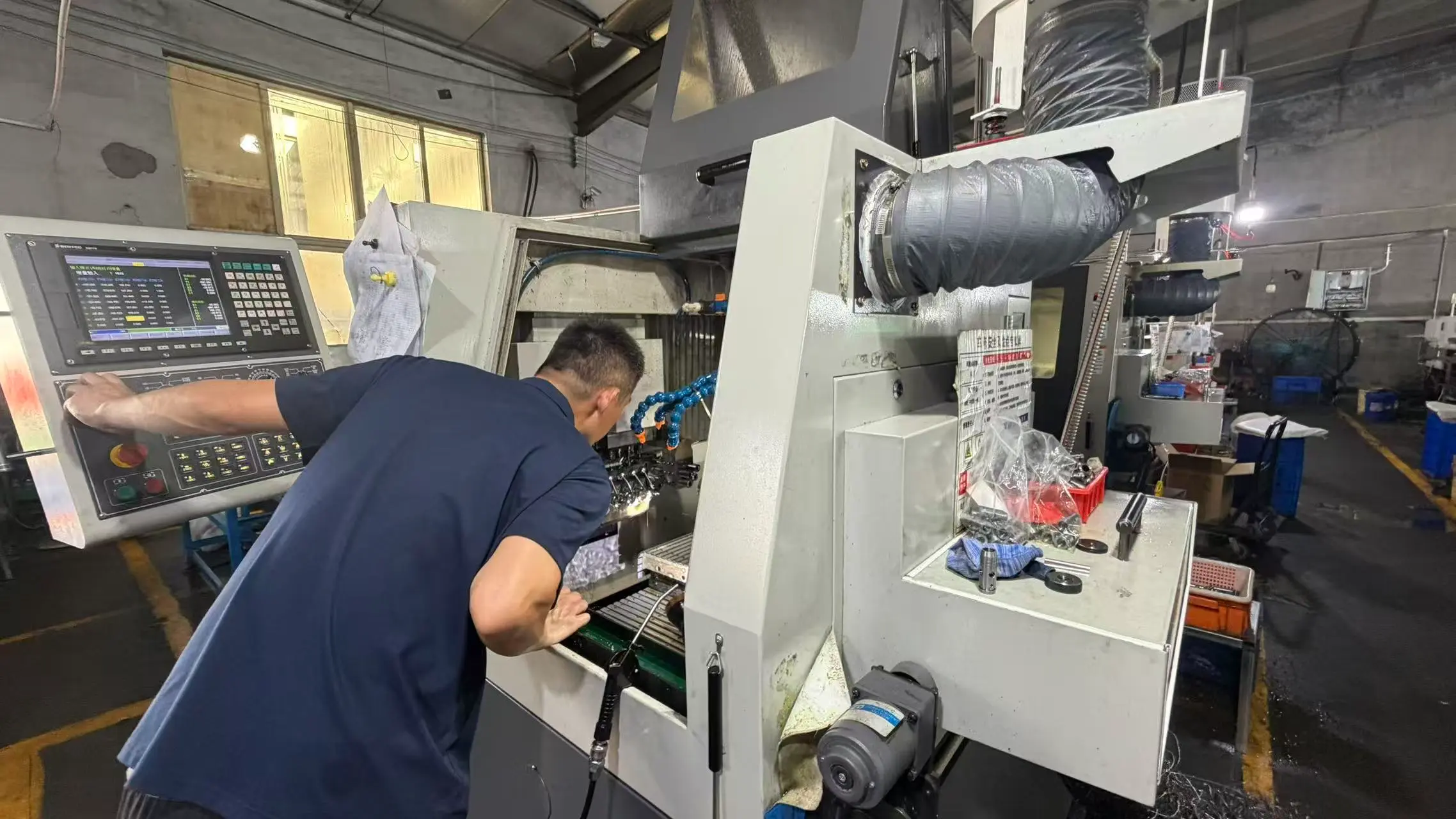
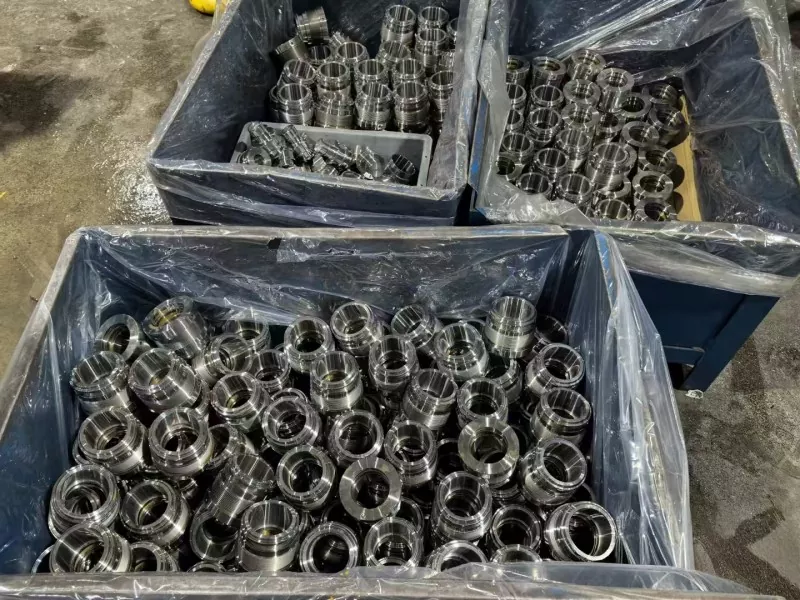
    Everything on the drawing of the stainless steel knurled T-handle tool for machinery happens in one factory in Jimo District, Qingdao. No operation is bought in, so there is no quality gap between suppliers.

    Equipment: 10 double-spindle centre-drilling lathes, 20 high-speed precision CNC lathes, 5 machining centres and 30 automatic lathes.


    Footprint: 5,000 m² standard workshop with in-house passivation, polishing and plating lines, managed on an ERP system.


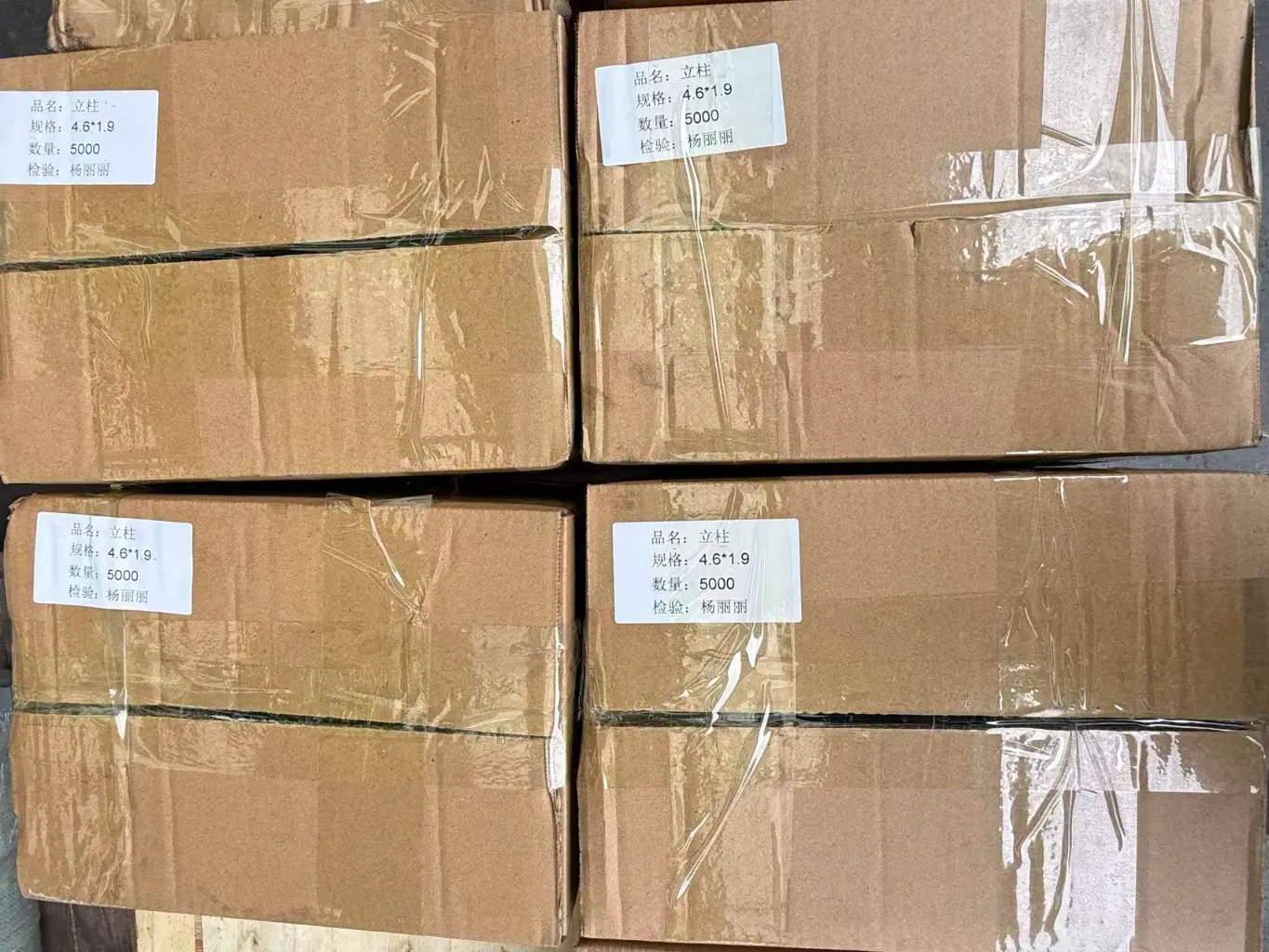
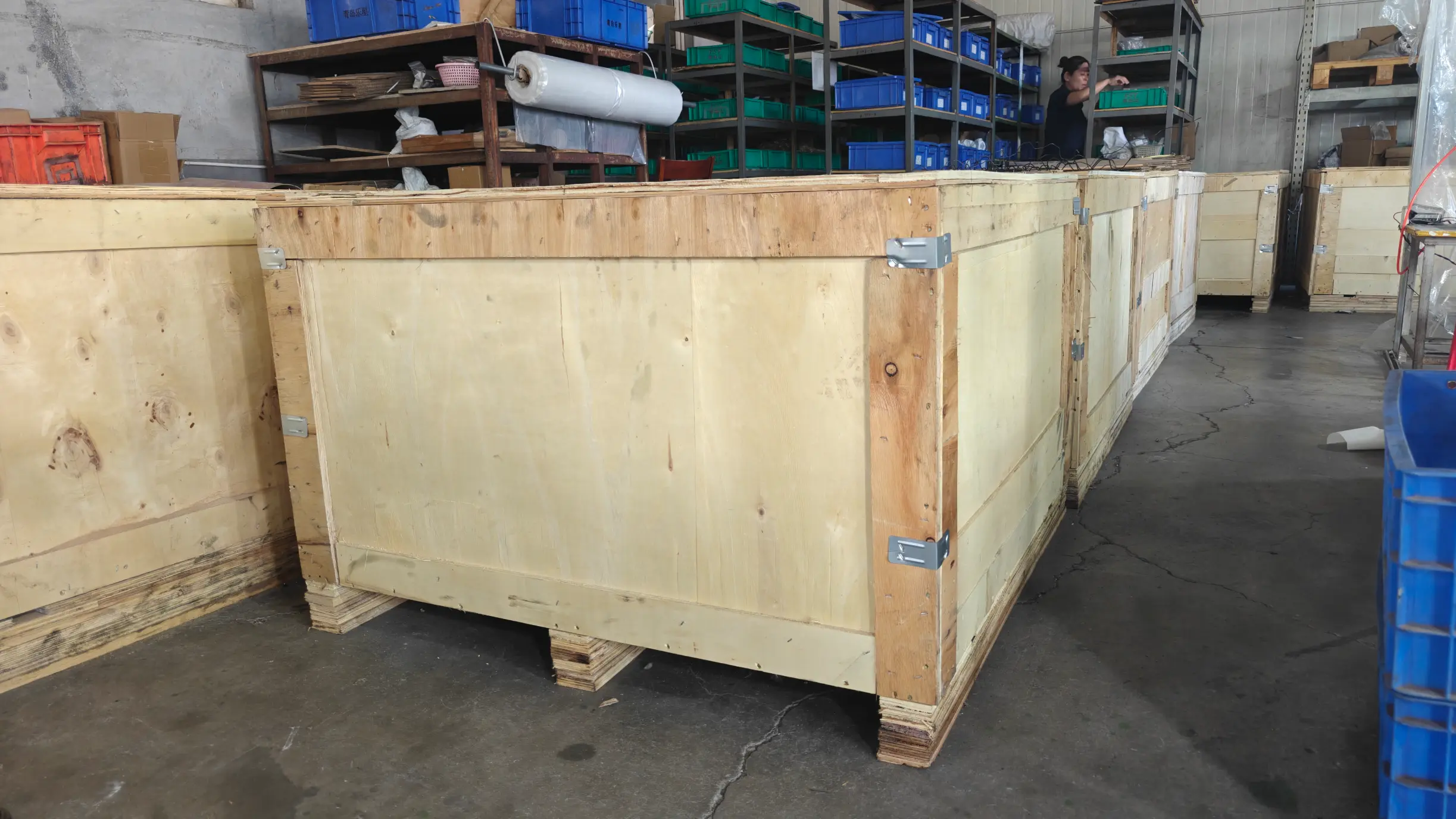
    Process order: Bar cut - turning and knurling in one setup - threading - deburring - passivation - inspection - packing.


    Quality system: ISO 9001, with SGS or TUV third-party inspection arranged on request.


    Capacity and stock: Annual output exceeds 100 million precision metal parts, and scheduled stock is held for repeat buyers.

    Use, Care and Field Replacement

    A hand-operated fitting earns its keep on how it behaves after a year of shifts, not on the drawing.

    · A rolled pattern does not wear smooth the way a cut one does. If grip falls away, the crest has been flattened by a hammer or a pipe wrench rather than by normal use

    · Wipe the thread and the seating face before refitting; grit trapped under the seat is what makes a handle work loose again

    · On washdown equipment, re-check tightness after the first week and then at each service interval, because stainless threads settle differently from plated steel

    · Keep one spare per fixture on the shelf. A replacement threads in without a design change when it comes from the same drawing family

    Tell us the working hand torque and we will confirm the bar length that will not bend under it

    Measuring What Matters on a Handle

    Three measurements decide whether a grip feels right in the hand and holds torque in service, and all three go on the record.

    · Crest diameter after knurling, because the roll grows the outside diameter and the finished size is what the drawing calls out

    · Thread pitch diameter and flank form, verified with go / no-go gauges rather than by feel

    · Runout between the shank and the seating face, checked on the CMM and held at 0.02mm

    · Knurl pitch and crest width, measured with a tool microscope on sampled parts

    · Surface finish on the thread, because friction at the thread is what the torque wrench reads

    Client Case: Tooling Shop in the United States

    A tooling shop in the United States came to us with a problem rather than a drawing. Their weld fixture handles were bought from three vendors and the grips did not match, so operators kept reaching for the wrong one. We consolidated the range into one drawing family, standardised the knurl pitch and length, and laser marked each grip with the fixture number. The first shipment covered 14 part numbers. Their purchasing manager wrote: 'The grips are identical to the samples and the markings ended the mix-ups on the floor. Reordering is now a single email with quantities.'

    FAQ

    Q1: Which pattern should we specify on a stainless steel knurled T-handle tool for machinery?

    A: Straight knurl for a part turned by hand, diamond knurl where the operator also pulls. Send the hand torque and we will recommend pitch and bar diameter with the quotation.


    Q2: Can the thread and the grip be machined concentric?

    A: Yes. Turning both in one setup holds the seating face square to the thread axis within 0.05mm and shank runout at 0.02mm, both verified on the CMM.


    Q3: Do you supply the mating nuts, washers or spring pins?

    A: We do. Because the same lathes make the mating hardware, we can quote the handle as a kit with nut, washer and retaining pin matched to the same thread class.


    Q4: What is the minimum order and the lead time?

    A: MOQ depends on bar size and whether tooling is needed; both are confirmed with the quotation. Sampling takes 3 to 5 days and production lots ship in 7 to 15 working days.


    Q5: Can you mark each part with our number?

    A: Yes. Laser marking on the bar end or the seating face is available in OEM projects, and it keeps batch traceability straightforward on your side. Volume pricing for the stainless steel knurled T-handle tool for machinery follows the bar size and the marking requirement.

    Send Inquiry
    Contact Info
    For inquiries about precision turned parts, precision machining components, CNC machined components, or price lists, please leave your email to us and we will be in touch within 24 hours.
    Rating:
    5.0
    X
    We use cookies to offer you a better browsing experience, analyze site traffic and personalize content. By using this site, you agree to our use of cookies. Privacy Policy
    RejectAccept