News

Why Are CNC Machined Automotive Parts Transforming the Future of Precision Engineering?

2026-06-12 0 Leave me a message

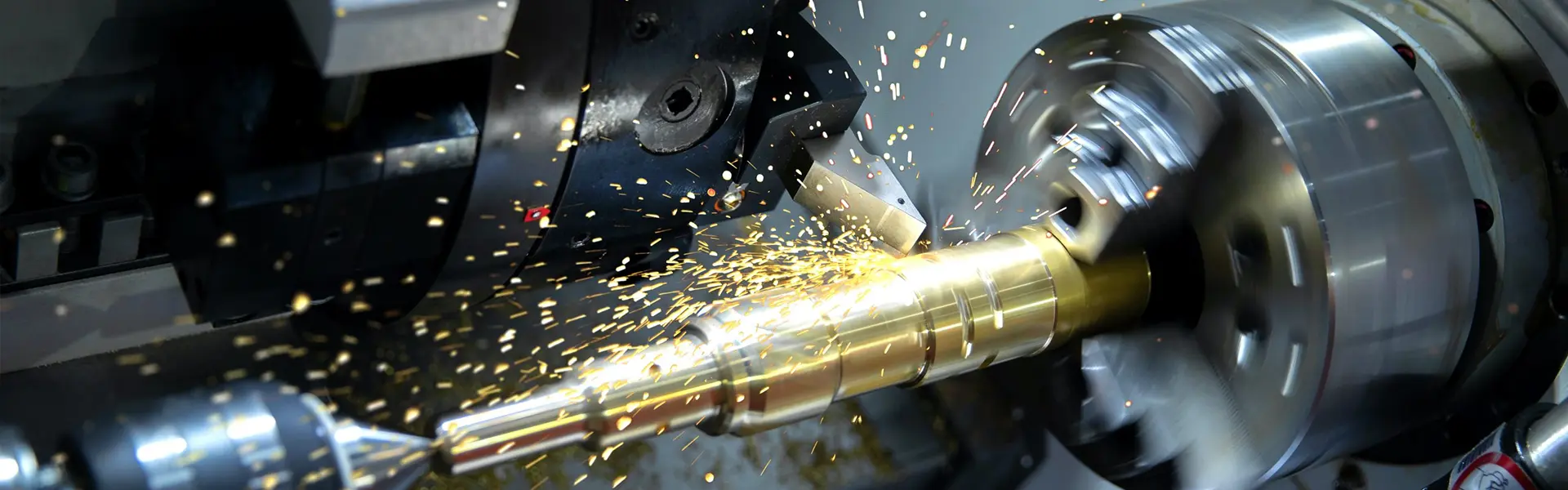
CNC machined automotive parts have become the backbone of modern vehicle manufacturing, offering unmatched precision, durability, and design flexibility. As automotive systems grow more advanced, the demand for tightly controlled tolerances and high-performance materials continues to rise. This article explores how CNC machining improves automotive production, reduces failure risks, enhances performance, and supports both mass production and custom engineering needs.

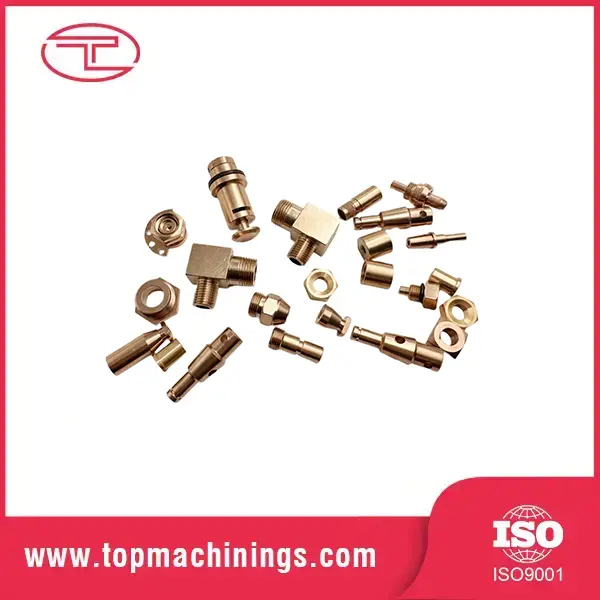
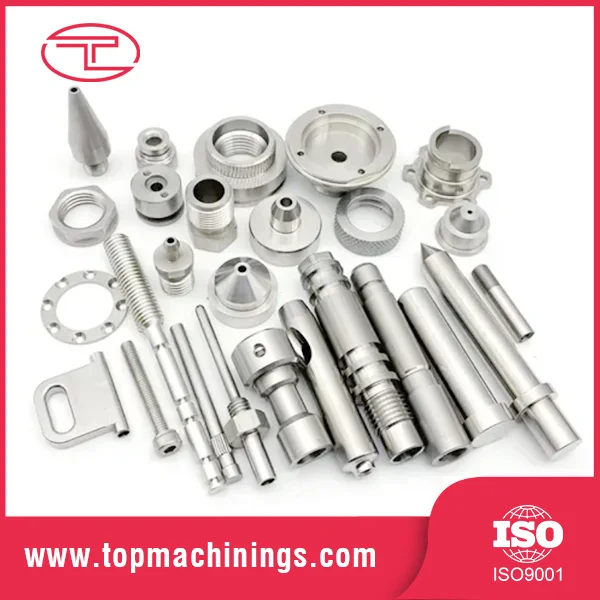
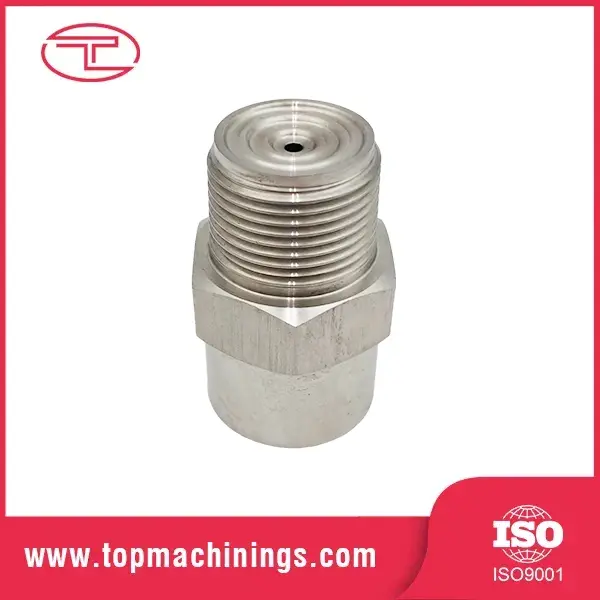
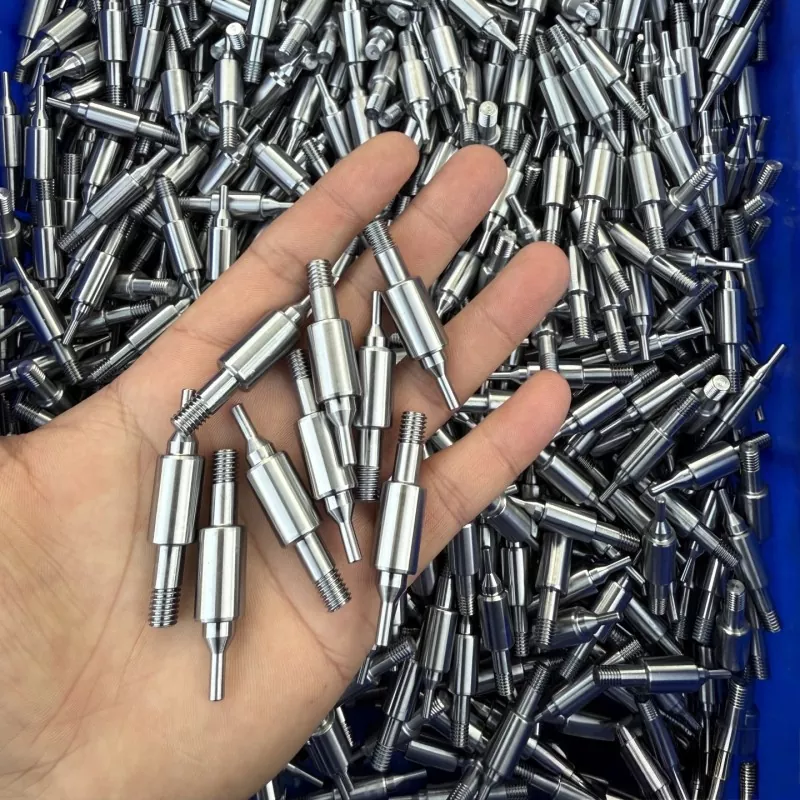
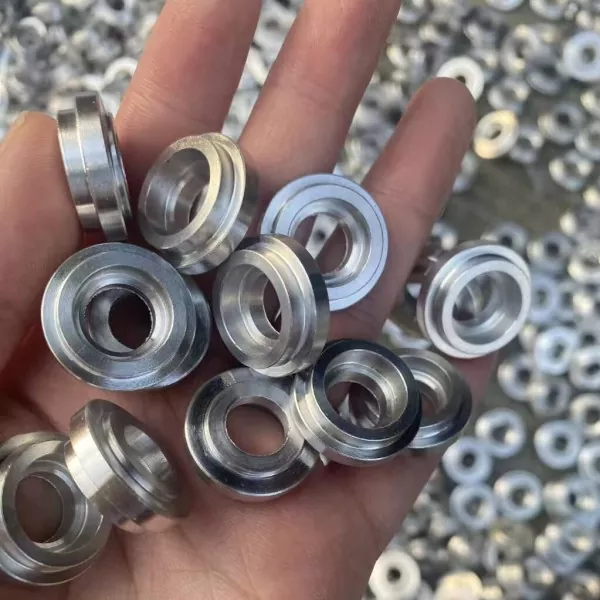
CNC machined automotive parts


Table of Contents


1. Understanding CNC Machined Automotive Parts

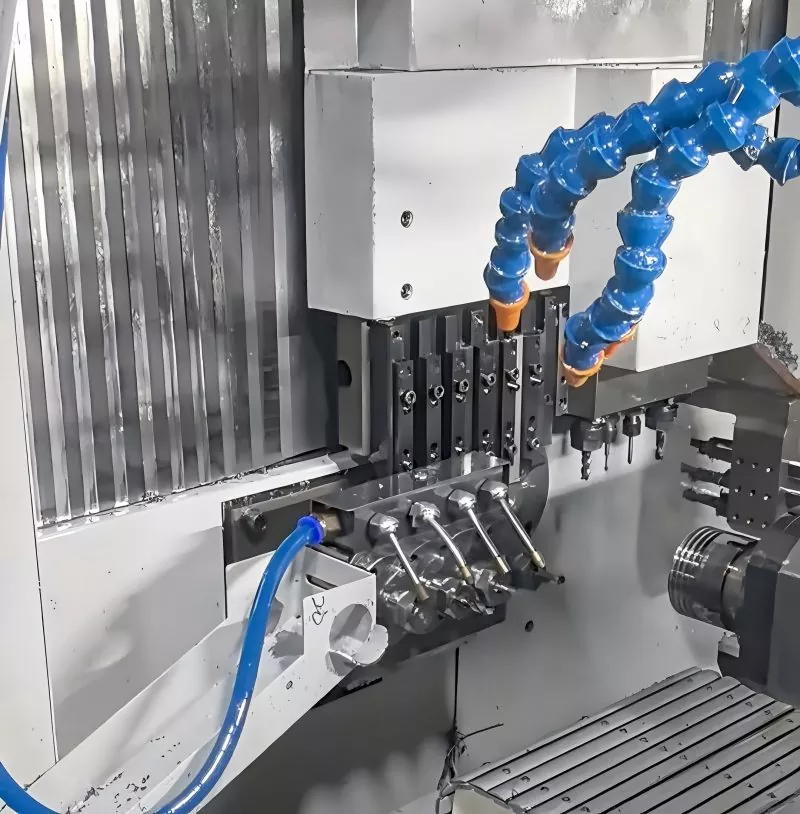
CNC (Computer Numerical Control) machining is a manufacturing process that uses automated cutting tools controlled by pre-programmed software. In automotive production, CNC machined automotive parts are created with extreme precision to meet strict performance and safety standards.

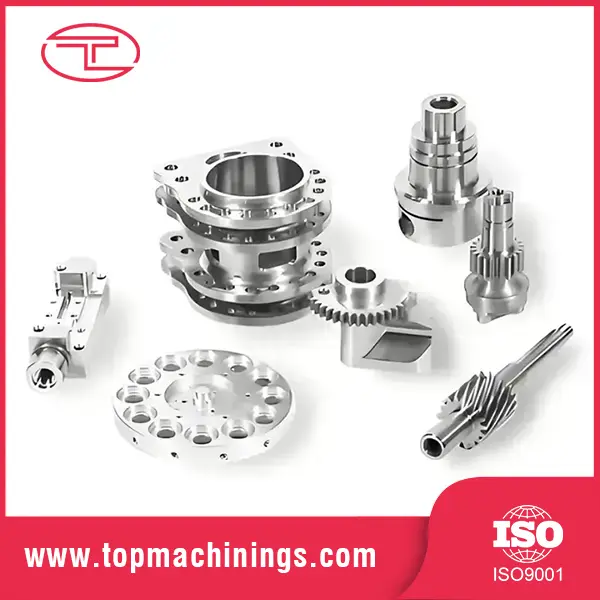
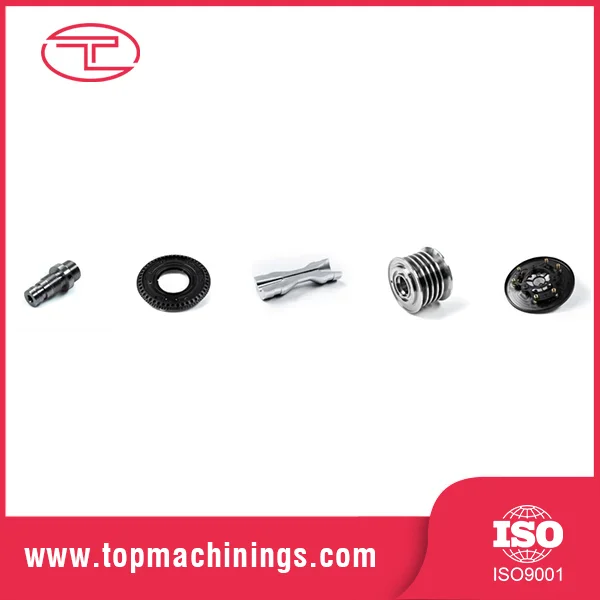
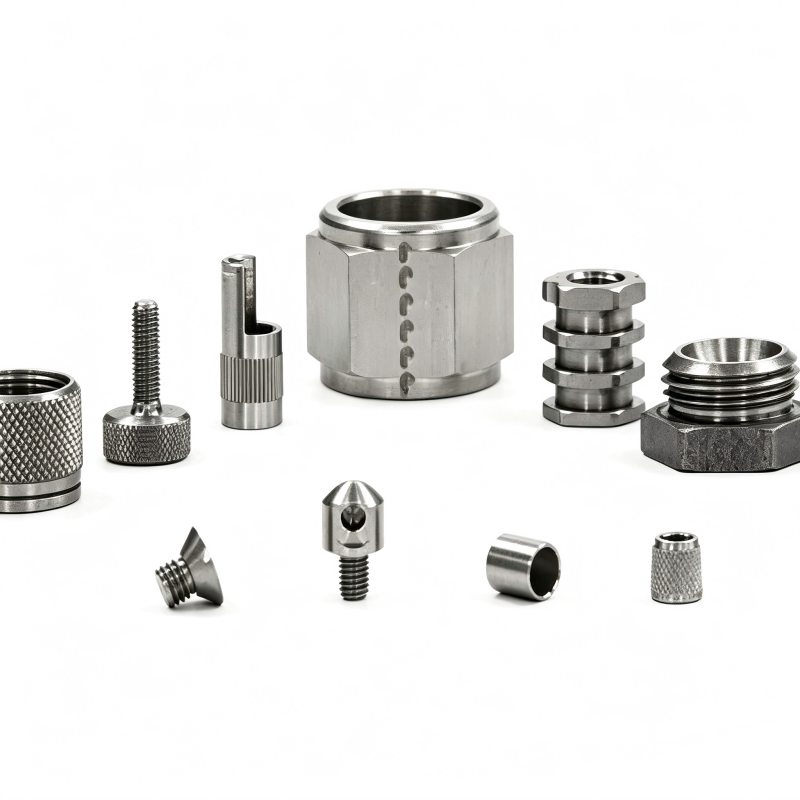
These components include engine housings, transmission gears, suspension brackets, brake system elements, and custom performance parts. Unlike traditional casting or manual machining, CNC ensures repeatable accuracy and consistency across every production batch.


2. Why CNC Machining Matters in Automotive Engineering

Modern vehicles demand higher performance, lower weight, and improved fuel efficiency. CNC machining enables manufacturers to achieve these goals by producing parts with optimized geometry and minimal material waste.

As automotive technology evolves—especially with electric vehicles (EVs) and hybrid systems—precision components become even more critical. CNC machining ensures compatibility with advanced systems and tight engineering requirements.


3. Core Benefits for Manufacturers and Buyers

  • Exceptional Accuracy: Tight tolerances ensure perfect fit and function.
  • High Repeatability: Every component is identical across production batches.
  • Design Flexibility: Complex geometries can be achieved without additional tooling.
  • Reduced Failure Rate: Minimizes defects compared to casting or forging.
  • Faster Product Development: Ideal for prototyping and rapid iteration.

4. Common Materials Used in Automotive CNC Parts

Material Typical Applications Key Advantages
Aluminum Alloys Engine blocks, housings, brackets Lightweight, corrosion resistant, good heat dissipation
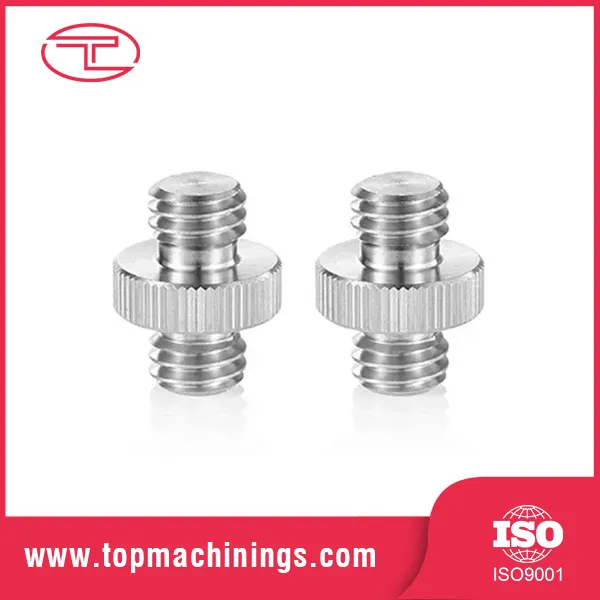
Stainless Steel Fasteners, exhaust systems High strength, excellent durability
Titanium Racing components, high-performance parts High strength-to-weight ratio, heat resistance
Carbon Steel Structural automotive components Cost-effective, strong load-bearing capacity
Engineering Plastics Interior components, insulators Lightweight, chemical resistance

5. Key Automotive Applications

CNC machined automotive parts are used across nearly every vehicle system:

  • Engine System: Pistons, cylinder heads, valve bodies, and camshaft components.
  • Transmission System: Gear shafts, housings, and precision gears.
  • Suspension System: Control arms, knuckles, and mounting brackets.
  • Brake System: Calipers, rotors, and hydraulic components.
  • Electrical Systems: Connectors, sensor housings, and mounts.

6. Precision, Tolerance & Quality Control

The success of CNC machined automotive parts depends heavily on precision manufacturing and strict quality control processes.

  • Dimensional accuracy is maintained through CAD/CAM programming.
  • Automated CNC machines reduce human error.
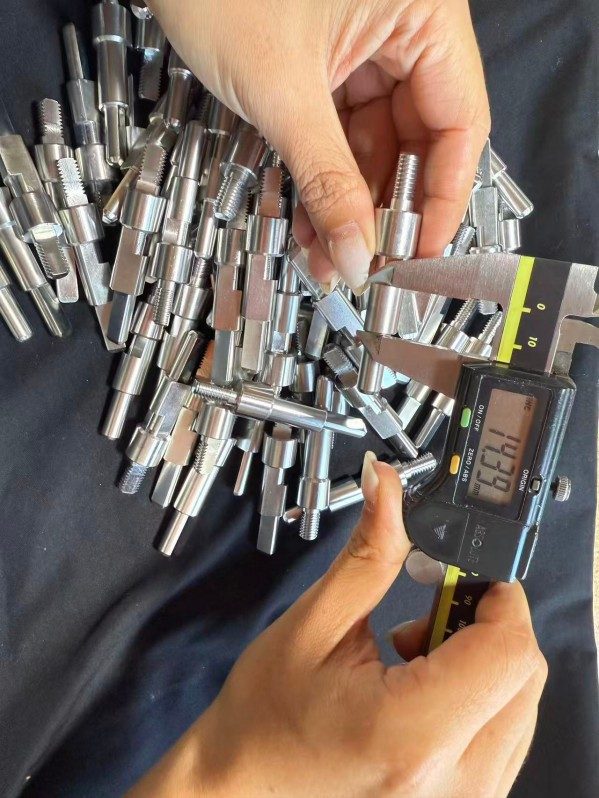
  • Coordinate Measuring Machines (CMM) verify tolerances.
  • Surface finishing ensures durability and friction reduction.

In high-performance automotive environments, even a deviation of a few microns can impact safety and efficiency, making CNC machining essential.


7. Manufacturing Challenges and Solutions

Despite its advantages, CNC machining presents certain challenges:

  • High Initial Investment: Advanced machinery can be costly.
  • Material Waste: Subtractive manufacturing may produce scrap.
  • Complex Programming: Requires skilled technicians.

Solutions include:

  • Optimized tool path programming to reduce waste.
  • Use of advanced simulation software.
  • Continuous operator training programs.

8. CNC Machined vs Conventional Automotive Parts

Feature CNC Machined Parts Conventional Parts
Precision Extremely high Moderate
Consistency Uniform across batches May vary
Design Complexity Highly complex geometries Limited shapes
Production Speed Automated & efficient Slower, manual-heavy
Cost Over Time Lower defect cost Higher maintenance cost

9. Cost Efficiency and Long-Term Value

While CNC machining may require higher upfront investment, its long-term value is significant. Manufacturers benefit from reduced rework, fewer defective products, and improved product lifespan.

For automotive companies, this translates into higher customer satisfaction, fewer warranty claims, and stronger brand reputation in competitive markets.


10. Future Trends in CNC Automotive Manufacturing

The future of CNC machined automotive parts is closely tied to innovation in automation and digital manufacturing.

  • Integration with AI-driven machining optimization.
  • Growth of lightweight materials for EV production.
  • Hybrid additive + subtractive manufacturing systems.
  • Smart factories with real-time production monitoring.

These trends are pushing the automotive industry toward higher efficiency and smarter production ecosystems.


11. Frequently Asked Questions

What are CNC machined automotive parts used for?

They are used in engines, transmissions, brakes, suspension systems, and custom automotive components requiring high precision.

Are CNC machined parts stronger than cast parts?

In many cases, yes. CNC machining uses solid material blocks, resulting in fewer internal defects compared to casting.

Is CNC machining suitable for mass production?

Yes, especially for high-precision components where consistency is critical.

What industries benefit most from CNC automotive parts?

Automotive manufacturing, motorsports, EV development, aerospace, and industrial machinery sectors all benefit significantly.

Can CNC machining support custom automotive designs?

Yes, CNC machining is widely used for prototyping and custom performance upgrades.


12. Conclusion & Contact Information

CNC machined automotive parts have become a cornerstone of modern automotive engineering. Their precision, durability, and adaptability make them indispensable for both mass production and specialized performance applications.

As vehicle technology continues to evolve, manufacturers who adopt CNC machining gain a clear advantage in quality, efficiency, and innovation.

Qingdao Tuoyuan Metal Products Co., Ltd. is committed to delivering high-quality CNC machined automotive parts tailored to meet global industry standards. With advanced equipment and strict quality control systems, we support clients in achieving superior performance and reliability.

Contact us today to discuss your custom automotive component needs and explore how we can support your next engineering project.

Related News
Leave me a message
X
We use cookies to offer you a better browsing experience, analyze site traffic and personalize content. By using this site, you agree to our use of cookies.Privacy Policy
RejectAccept